


Youth employment is over one mil, experience is the differentiator: Leeds unis share support
For everybody dreading the post-grad job hunt

University costs students time, energy and money, making it important for graduates to feel confident when they enter the UK job market.
However, entry level job opportunities have dropped by a third since ChatGPT came out, and as many as one million 16-24 year olds are unemployed. Richard Partington, the Guardian’s senior economics correspondent, said: “Young people who lack experience are often the first to bear the brunt of that.”
We have researched and spoken to professionals to understand how Leeds students can make themselves more employable, and here is what we have found.
Work experience and placements
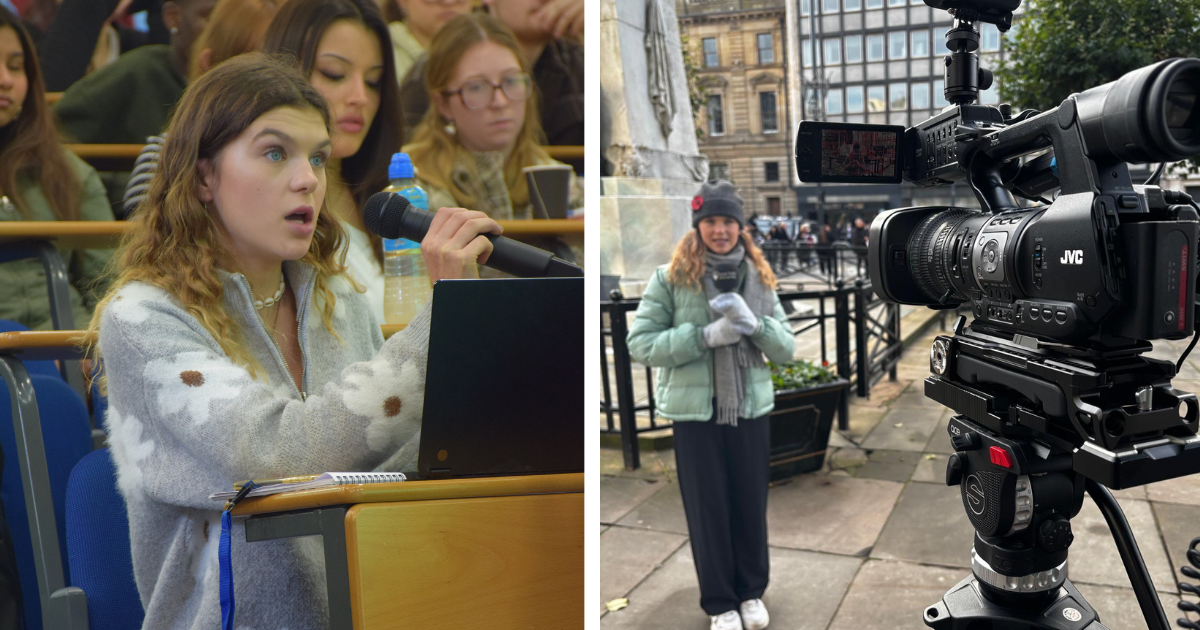
Left: Conference, Right: Voluntary reporting
Employers and businesses are prioritising cost management, and so desire job applicants who can demonstrate relevant skills, industry awareness and a strong work ethic. Work experience and work placements offer exactly that: proof that you are committed and proof you are capable of working in industry.
Every university provides career services to help their students find work and placement opportunities through contacts and practical support, such as CV building.
Tim Feather, Graduate Outcomes & External Engagement Manager at Leeds Trinity, told The Leeds Tab: “University careers services support their students and graduates to progress. Part of this is to support the student to get the most out of their degree, the other part of this is part of the regulatory requirement from the Office for Students in which universities need to support the progression of their students and graduates.”
However, it’s crucial to source opportunities independently too. Three ways to source contacts include company websites, LinkedIn and Apollo.io. Once you have found a relevant contact, research them to understand their values, then write an introductory email to explain who you are, what you can offer and why they should offer you work experience.
Employers don’t want people who moan at work or do the absolute minimum. Taking initiative displays you are prepared to go above and beyond and are likely to be a positive asset to the team. These roles are likely unpaid but put you at a greater advantage.
More than one route
Young or old, everyone’s interests evolve over time and a lot of students begin university indecisive about their career path.
The good news is that lots of jobs are flexible to employ people with degrees that aren’t officially linked to the role. For example, a psychology student could work in business management; a business student could go into public relations; and a law student could become a research consultant.
Tim Feather said: “My personal opinion is the degree subject is a stimulus for somebody to use to develop key graduate skills including communication, data analysis, critical thinking etc and these skills can be transferred to multiple specialisms.”
Investing time in building transferable skills allows you to adapt to available roles in the changing job market.



How Leeds universities support employability
Leeds’s three major universities all have strategies in place to improve employability success for their students.
University of Leeds
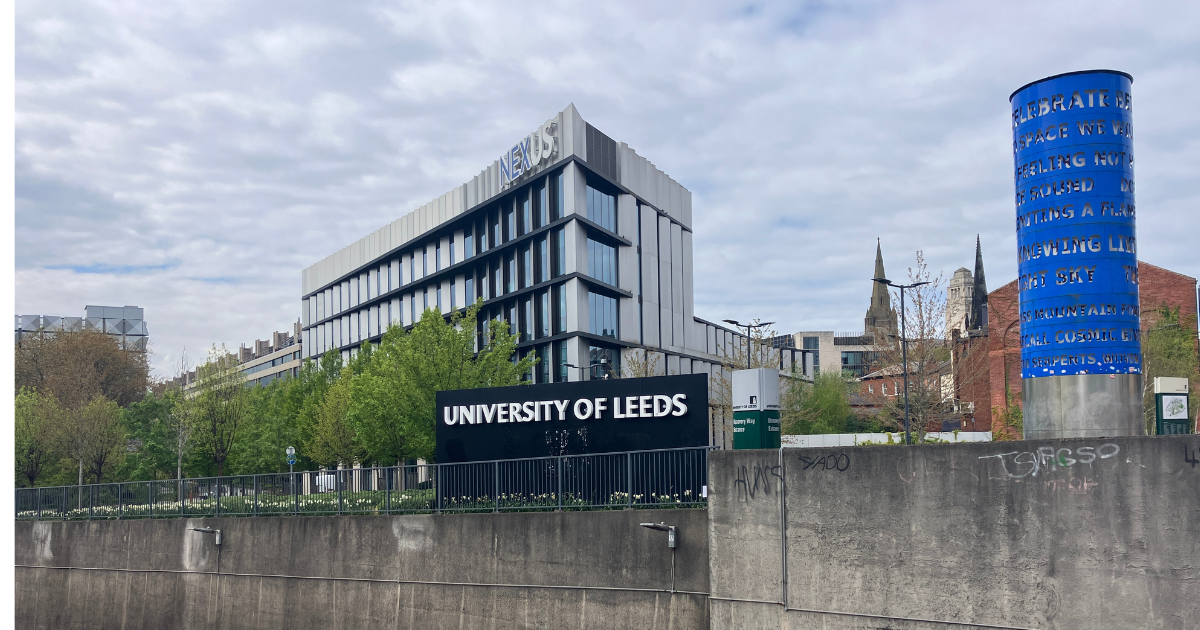
University of Leeds’s careers service supports students to find a placement year, part-time work and graduate roles; their services focus on the importance of transferable skills and encourage students to make use of the uni’s extensive society list, which is rated number one in the UK.
Leeds Beckett
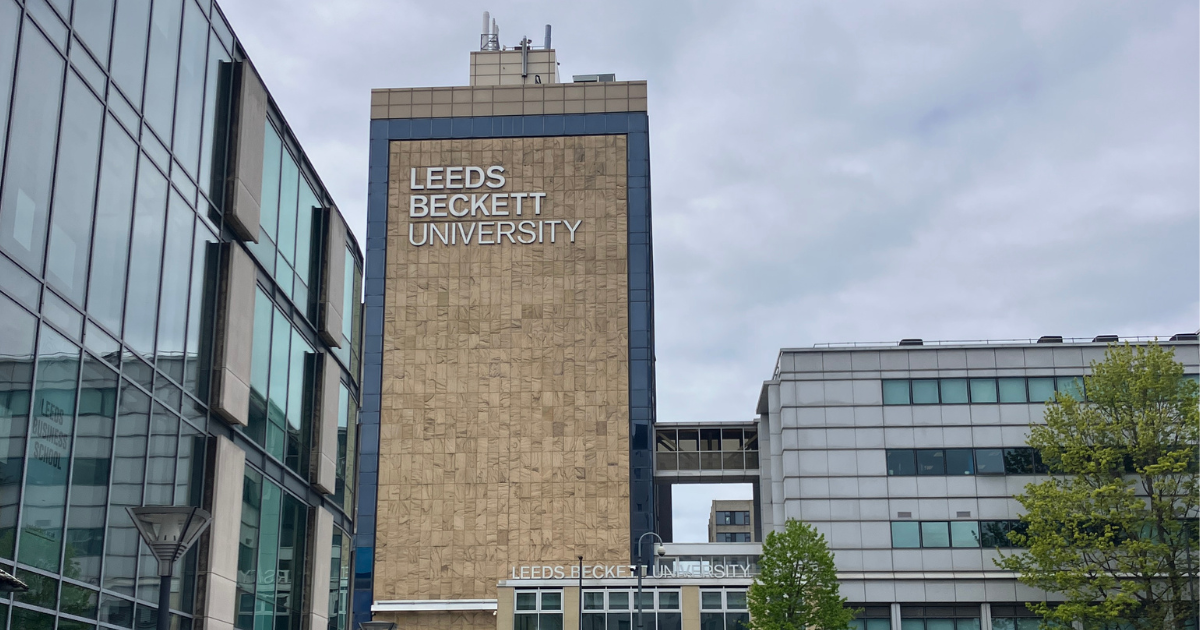
Leeds Beckett City Campus
Leeds Beckett University was ranked number 1 in Yorkshire for careers, facilities, teaching quality, postgraduate and international student experience and has a 97 per cent employment rate.
Student employability success comes from integrated careers education, employer and agency partnerships, mentoring opportunities, competitions and the ability to present work directly to employers.
These experiences provide students the chance to create working relationships with future employers.
Leeds Trinity
Leeds Trinity University embeds placements into the majority of their courses to build student and employer relationships, increase connections and ultimately expose students to their chosen industry.
The university is recognised primarily for its journalism course (ranked first in the UK) and primary education course (ranked first in Yorkshire).
A primary education student from Leeds Trinity said: “It’s during placements that you really learn”. She added that she was grateful for the time and support the university dedicated to placements each year.
For more of the latest news, guides, gossip and memes, follow The Leeds Tab on Instagram, TikTok and Facebook.
Latest
University of York Rugby Union taking over campus with charity fundraiser

UYRUFC’s Ladies Day returns on Friday 23 Oct to raise money for The Pink Ribbon Foundation

Starting at Uni of Warwick? Here’s the ultimate freshers’ guide to campus accommodation

Freshers’ Week is just around the corner… but don’t worry divas! We’re here to ensure you pick the right accommodation for you

A deep dive into Benita’s job outside of Love Is Blind, and her side hustle as a model

Benita also wrote a book

Love Is Blind’s Stew reveals what Jax DM’d him after calling off engagement and quitting the show

According to him, she was quick to reach back out

The age gaps of the Love Is Blind US season 11 couples who managed to lock it in
Michaella and Rob have the biggest age gap

Will Manchester’s Curry Mile replace its name as South Asian restaurants become scarce?

The end of the curry house era

Hairdrying knickers and £4 frappuccinos: Mistakes Lancaster first-years make at uni

Let’s class these mistakes as character building

Forget Gotham! London’s viral Batman is single-handedly restoring my faith in humanity

They say not all heroes wear capes, but this one does



University of York collaboration sets out new vision for online learning

The expansion will enable more learners from underrepresented backgrounds to engage with the uni

Celebrity Traitors has begun: Here’s how your Cardiff Uni course would behave in the game

Claudia would definitely pick the new YOLO ticket system as a Traitor

Burning buildings and thousands of arrests later: How the violent riots in France actually started
Students have suffered ‘war like’ injuries

The Traitors’ dramatic soundtrack is basically trolling us, and it’s completely intentional

The producers know those covers are a bit ridiculous

Cyber security threats target University of York staff and students
University of York has received a number of cyber security threats across the University community

Things that annoy me as a student in York

From ridiculous prices to aggressive geese, there’s always something to complain about.
Calling all Lancs students: Here are seven essential life hacks for surviving uni life

Because when you’re a student, you need all the help you can get

John shares statement to ‘clarify a couple of things’ after controversial chats in Love Is Blind pods
‘We both found it to be a wonderful, productive conversation’



Every social sec needs this: What your Wednesday night route says about you

This one’s for the mob of minions, chickens, lobsters, pink wig wearers, and sweaty boys in chinos