

How to actually lock in at uni
It’s a month into uni, here’s how to be an academic weapon
We’re a month into the semester, lectures and piling up and seminars feel real. We’ve all had those days at uni when you sit down to study, open your laptop, and somehow end up scrolling on your phone for an hour. You tell yourself you’ll start in five minutes, but suddenly the whole afternoon has gone. Sound familiar?
The truth is, locking in at uni isn’t about studying for five hours straight or having the perfect routine. It’s about making the time you spend studying actually count. Whether you’re catching up on missed lectures, preparing for exams or just trying to stay on top of your workload, here are some tips to help you concentrate, stay organised and get things done.
Your environment matters
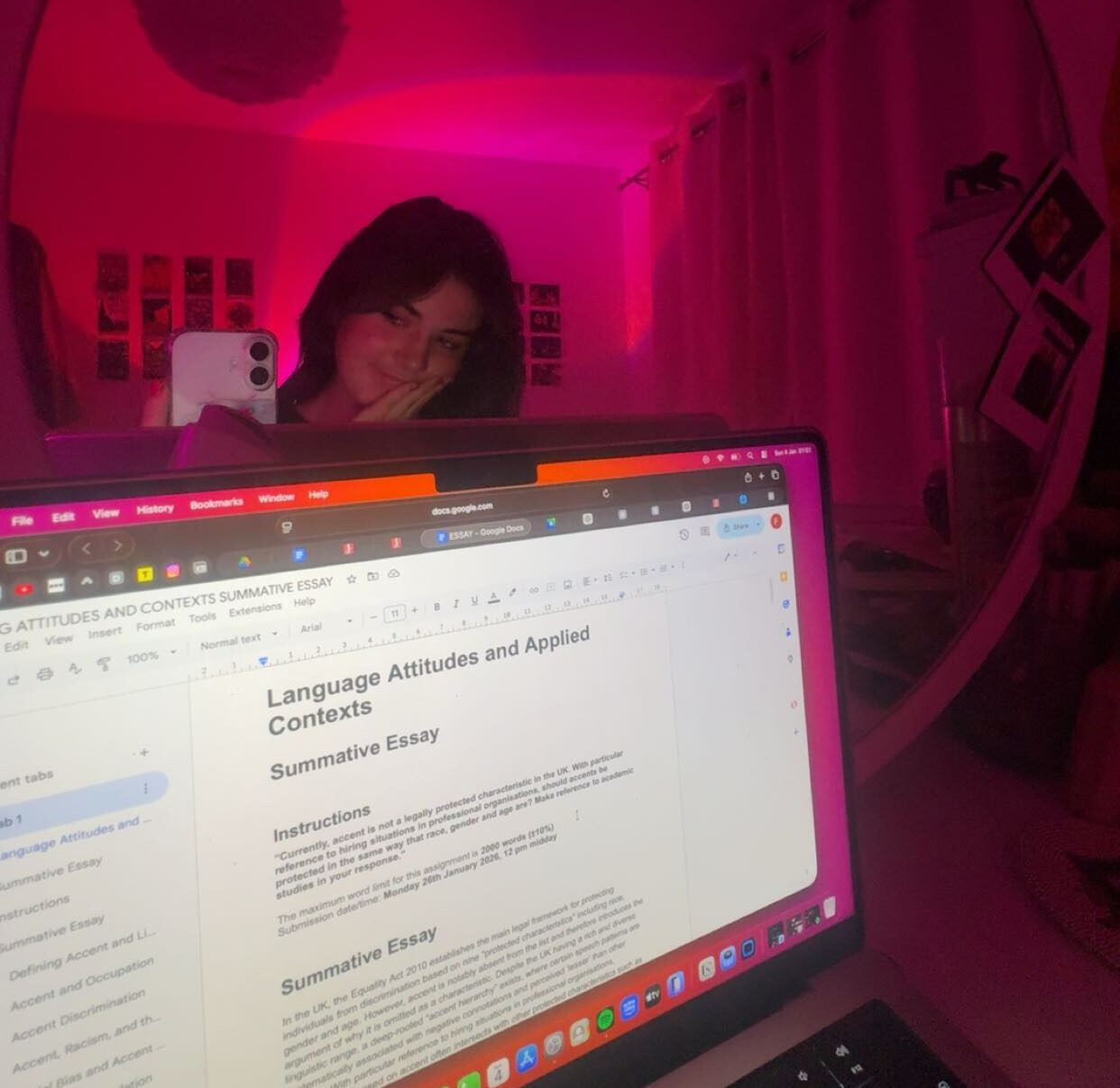 You’re the only person who knows exactly how you study best. Your environment can make a huge difference to how much you get done. Trying to concentrate in a place that doesn’t suit your study needs can make even the simplest task feel impossible. There’s plenty of places across your uni city to lock in: Library, cafes, private seminar rooms, campus quiet spots and more unique places that aren’t your bedroom. And if all of these options fail, your own bedroom is your own source of comfort. Work wherever you feel most comfortable.
If you know you work better in silence, find a quiet spot in the library, book a silent study room or find a space on campus where you can focus without interruptions. Put your phone on Do Not Disturb, turn off unnecessary notifications and keep only the tabs you need open. Other people prefer to have background noise, such as music, film or tv shows. This can make studying less eerie and also enjoyable if your brain is focussed on your uni work and something you enjoy watching or listening to.
Plan exactly what you’re going to study
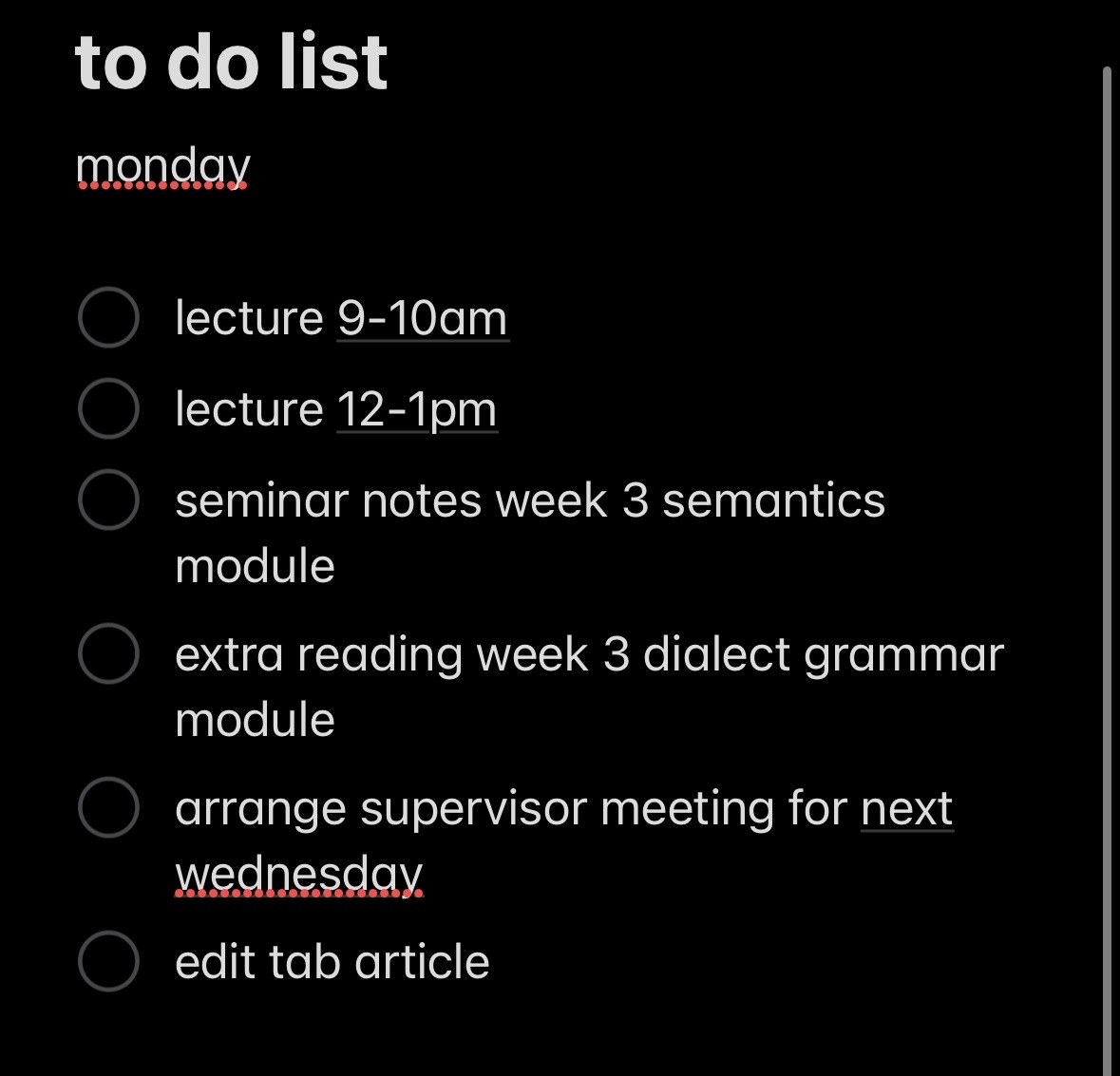
One of the biggest mistakes you can make is sitting down to study without knowing what you actually need to do. Writing ‘revise lectures’ or ‘work on essay’ on your to-do list is too vague, which makes it easier to procrastinate or not know where to start.
Instead, break everything down into specific, manageable tasks. Decide to review one lecture at a time, summarise a particular topic or complete ten practice questions. Add these small tasks to a bullet point lost you can tick off to track your progress and work through them in an organised manner. Having a clear plan means you spend less time deciding what to do and more time actually doing it. It also gives you a sense of progress as you tick each task off.
Do the things you’ve missed first
If you’ve missed lectures, fallen behind on readings or left seminar tasks unfinished, start there. It can be tempting to focus on whatever feels easiest or most interesting, but ignoring unfinished work often makes the workload pile up even more.



Getting back on track can feel overwhelming at first, but even completing one missed lecture is progress. The sooner you deal with the backlog, the easier it becomes to focus on your current work without constantly worrying about everything you haven’t done.
Stop multitasking
 It might feel productive to have your lecture playing while replying to messages, checking emails and scrolling through social media, but constantly switching between tasks makes it harder to give anything your full attention.
You don’t need to eliminate every distraction from your life. You just need to stop letting every distraction interrupt your study session and promise yourself to lock in. Try studying for 25-50 minutes, followed by a five-to-ten-minute break. During your break, get up, stretch, grab some water or take a short walk for a deserved mental break.
Don’t study for the sake of it
 Spending an hour scrolling through lectures on the VLE or flipping through flashcards like you did at A-level, doesn’t necessarily mean you’ve learnt the material. Instead, make your study sessions more active. Close your notes and try explaining a concept from memory. A good technique is to try and explain a topic to your friend (ideally who has no context of the content) so you can learn while acting like a teacher.
If you are truly not motivated, don’t force yourself too much. Rest days are also important. Everyone needs time to reconnect and reflect during the busy weekly study schedule. Have time to yourself: have a self care night, chat with friends, call family, watch a film, basically just anything unrelated to your degree. Then when you come back to studying you’re reset, rejuvenated and ready for your next lock-in.
Latest

University of York Rugby Union taking over campus with charity fundraiser

UYRUFC’s Ladies Day returns on Friday 23 Oct to raise money for The Pink Ribbon Foundation

Starting at Uni of Warwick? Here’s the ultimate freshers’ guide to campus accommodation

Freshers’ Week is just around the corner… but don’t worry divas! We’re here to ensure you pick the right accommodation for you

A deep dive into Benita’s job outside of Love Is Blind, and her side hustle as a model

Benita also wrote a book

Love Is Blind’s Stew reveals what Jax DM’d him after calling off engagement and quitting the show

According to him, she was quick to reach back out

The age gaps of the Love Is Blind US season 11 couples who managed to lock it in
Michaella and Rob have the biggest age gap

Will Manchester’s Curry Mile replace its name as South Asian restaurants become scarce?

The end of the curry house era

Hairdrying knickers and £4 frappuccinos: Mistakes Lancaster first-years make at uni

Let’s class these mistakes as character building

Forget Gotham! London’s viral Batman is single-handedly restoring my faith in humanity

They say not all heroes wear capes, but this one does


University of York collaboration sets out new vision for online learning

The expansion will enable more learners from underrepresented backgrounds to engage with the uni

Celebrity Traitors has begun: Here’s how your Cardiff Uni course would behave in the game

Claudia would definitely pick the new YOLO ticket system as a Traitor

Burning buildings and thousands of arrests later: How the violent riots in France actually started
Students have suffered ‘war like’ injuries

The Traitors’ dramatic soundtrack is basically trolling us, and it’s completely intentional

The producers know those covers are a bit ridiculous
Cyber security threats target University of York staff and students
University of York has received a number of cyber security threats across the University community

Things that annoy me as a student in York

From ridiculous prices to aggressive geese, there’s always something to complain about.

Calling all Lancs students: Here are seven essential life hacks for surviving uni life

Because when you’re a student, you need all the help you can get

John shares statement to ‘clarify a couple of things’ after controversial chats in Love Is Blind pods
‘We both found it to be a wonderful, productive conversation’



Every social sec needs this: What your Wednesday night route says about you

This one’s for the mob of minions, chickens, lobsters, pink wig wearers, and sweaty boys in chinos