
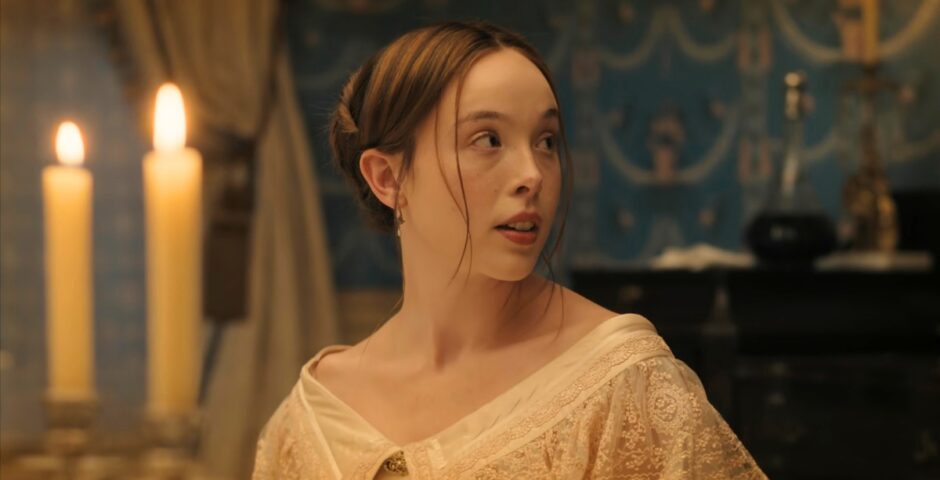
A glossary of old-fashioned words in The Lizzie Borden Story, from ‘powfagged’ to ‘flapdoodle’
I was so confused
Monster: The Lizzie Borden Story is full of old-fashioned words, and nobody knows what they mean, so here’s a full glossary that explains each of them, from “powfagged” to “flapdoodle”.
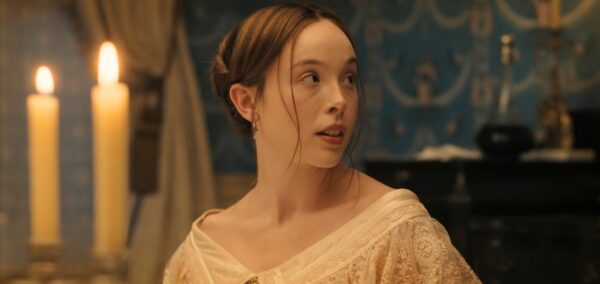
Ryan Murphy’s latest Monster series follows the real-life 17th-century story of American woman Lizzie Borden, who was accused of killing her father and stepmother in Fall River, Massachusetts, in August 1892. She was acquitted of the murders in court and continued living a normal life for many years after.
Legally, Borden didn’t do it, but theories have long been speculated about whether she did or not. The Netflix series explores a storyline where she did kill her parents to gain freedom from the oppression she lived under, and how she lives afterwards with this huge secret.
If you were confused by some of the terminology, you’re not the only one. It’s set in the late 1800s and uses old-fashioned language that doesn’t exist today, so here’s what all the words mean.
Credit: Netflix
Caterwauling
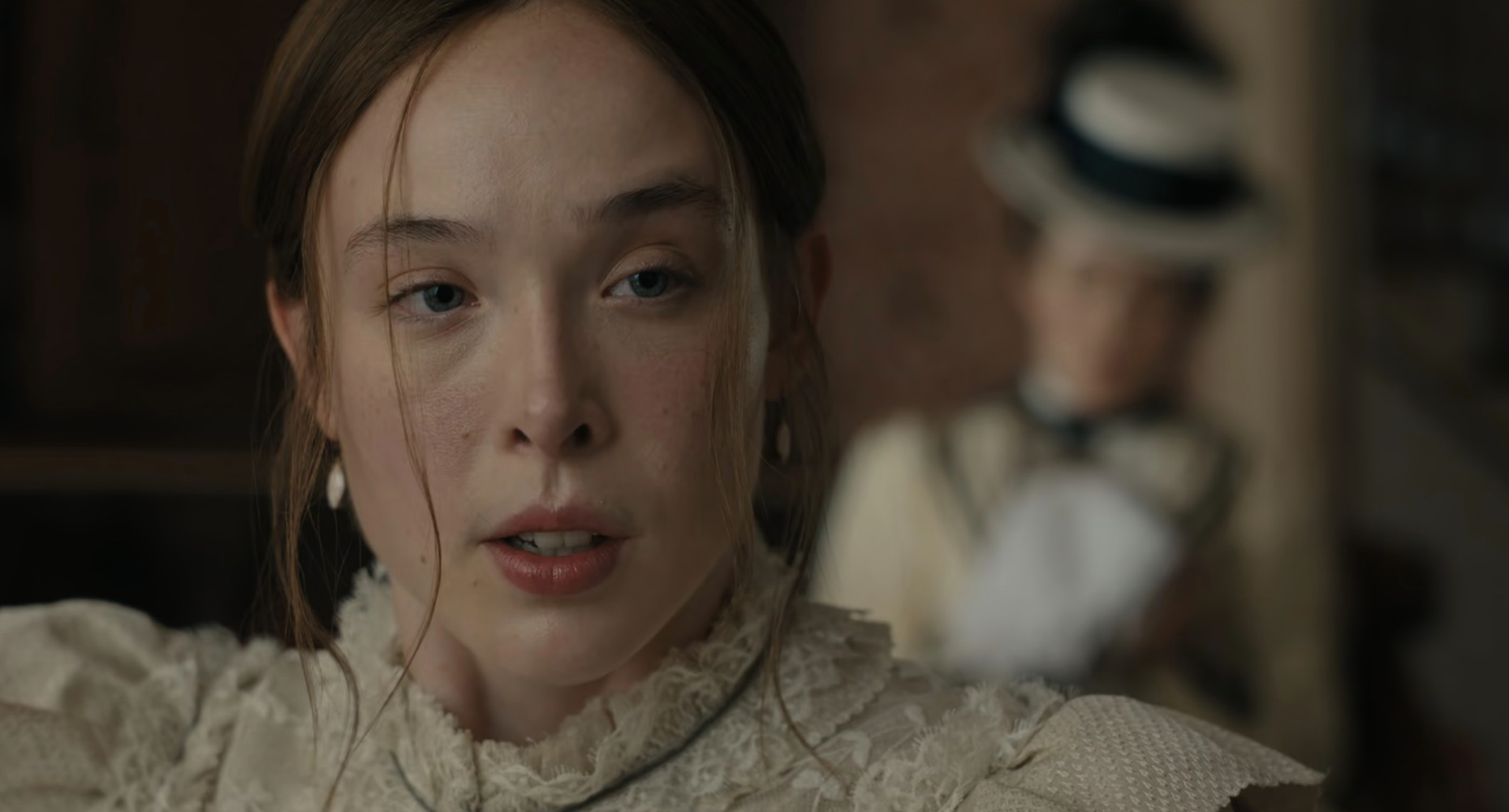
While Lizzie is speaking to her stepmother Abby, her father Andrew shouts at them angrily: “Will you stop your caterwauling?” That’s a high-pitched, unpleasant noise that originally referred to the wailing sounds made by cats, but later began being applied to people.
Powfagged
In the same scene, Lizzie says she is “powfagged,” which basically means exhausted. “Pow” is an old regional version of poll, meaning head and fagged means tired, so it’s a combination of both.



Flapdoodle
At one point, Abby says the word “flapdoodle,” which is an old-fashioned way of saying foolish talk, nonsense or silly behaviour. For example, you could say: “I have no time for all that flapdoodle.”
Earbobs
The word “earbobs” has confused a lot of people after it was said in Monster: The Lizzie Borden Story too, but that’s literally just an old term for earrings, particularly dangling or drop styles.
Diluvian
In the first episode, Abby describes Lizzie’s menstrual cycle as “deluvian,” which means “a great flood”. “Heavy doesn’t quite describe it. Diluvian is a more apt descriptor. She’s a true freak of nature,” she says.
Menses
Abby doesn’t use the word period or menstruation, though. She says “menses,” which is the proper medical term for a menstrual period.
For all the latest Netflix news and drops, like The Holy Church of Netflix on Facebook. Featured image credit: Netflix
Latest
The real life crime scene pictures from the Borden house that were used in Lizzie Borden trial

The police who worked on the case have been described as ‘sloppy’
The real Lizzie Borden’s time in prison wasn’t as glamorous as Netflix’s Monster

Yes, she did stay in an actual cell
Horse dealers, doctors, and the other suspects left out of Monster: The Lizzie Borden Story

Even Jack the Ripper came up

After Ed Gein, why Charlie Hunnam came back to play Andrew Borden in The Lizzie Borden Story
The Monster creators and the actor have explained their decisions

Is going to uni still worth the money? Leeds students weigh in

With tuition fees now at £9,535 per year and rent costs soaring, uni is more expensive than ever

Expert reveals her reasoning behind Gen Z’s viral iced coffee interview controversy

Maybe she has a point

Police stop alleged terror attack on Manchester’s Jewish community

Two men are currently being interrogated on suspicion of terrorism

Converse releases apology statement after people claim new ad resembles ‘racist imagery’

‘I cannot fathom why Converse would greenlight something so abhorrent’
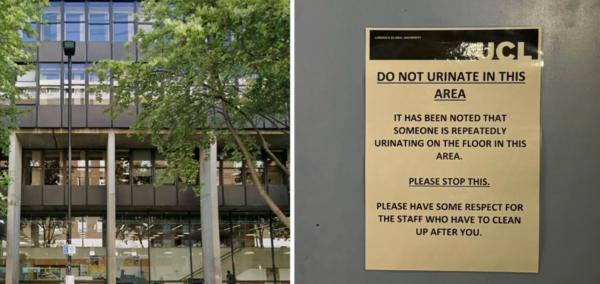
Sign spotted in UCL building condemns culprit for ‘repeatedly urinating on the floor’

One person on social media compared it to rumours of a ‘phantom defecator’
Who was Aileen Wuornos? The real story behind her role in Monster: The Lizzie Borden Story
She was an infamous female killer

Inside the incredible $8.2million LA mansion Nick and Vanessa Lachey just listed for sale
It has a guest house, basketball court and pool
Charity issues warning over ‘dark’ and ‘upsetting’ scene in Monster: The Lizzie Borden Story
It’s a disturbing watch
Seances, ghosts, and parties: The legacy of Lizzie Borden’s last resting place, Maplecroft Mansion
‘Some people have said that they have been pushed. I got poked in the eye’

Olivia Rodrigo rinsed for sending handwritten letter ‘begging’ Grammy voters to nominate her
It’s like a GCSE English essay
Yikes, the disgusting Lizzie Borden dinner scene in Monster is based on a true story
Yep, it really happened