
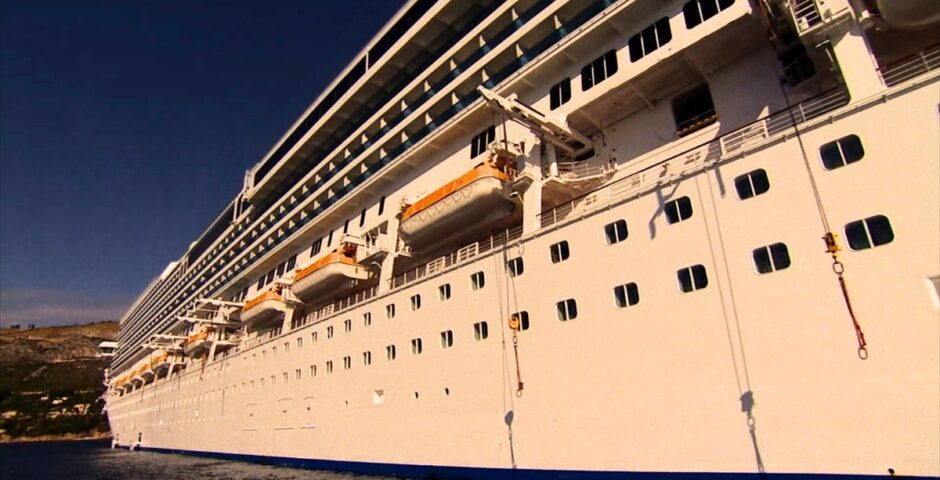
The laws around a captain abandoning their ship explained after Costa Concordia documentary
Schettino was sentenced for leaving

After Shipwrecked: Nightmare at Sea, Netflix’s documentary about the Costa Concordia, there is some confusion over why captains aren’t allowed to abandon their ship. Here’s a full explanation of the very strict laws.
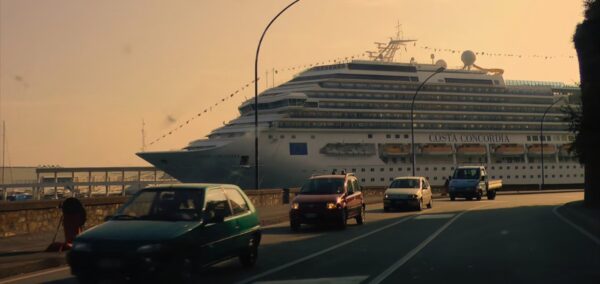
The documentary retells the January 2012 tragedy, when 32 people sadly died after an Italian cruise ship crashed into some rocks near Giglio Island. This created a 53-metre gash in the hull, which flooded the engine room and cut off the ship’s power.
It took 48 minutes for the captain to sound the emergency alarm, and he was found guilty of manslaughter, causing a maritime accident, and abandoning his ship, and was sentenced to 16 years in jail.
In a transcript from the disaster, Italian Coast Guard Captain Gregorio De Falco famously ordered Captain Francesco Schettino to get back on board and coordinate the evacuation after he disembarked.
“Right. You are now going back on board. You are going to go back up the rope ladder, return to the bridge and co-ordinate operations,” he said. “This is an order. Now I am in command. You have declared the abandoning of a ship and are going to co-ordinate the rescue from the bridge. There are already dead bodies.” Schettino refused.
Under some countries’ maritime laws, a captain abandoning a ship is an extremely serious crime which, as shown by the Costa Concordia disaster, can result in jail time.
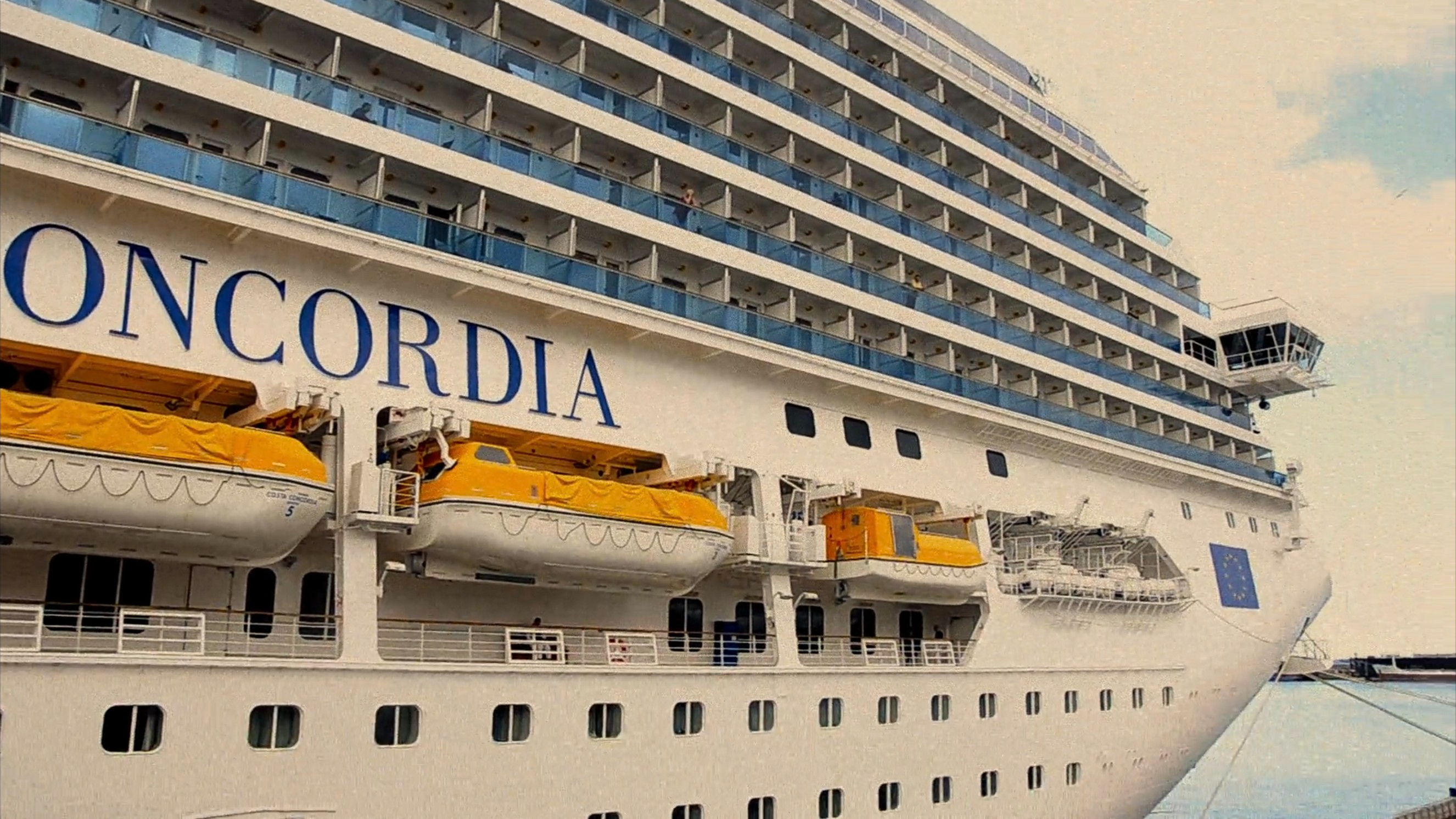
Credit: Netflix
The laws around a captain abandoning their ship explained, after the Costa Concordia disaster



Under Article 1097 of the Italian Navigation Code, a captain who doesn’t leave their vessel last can face up to two years in prison. This penalty increases to three to 12 years if the abandonment results in loss of life or catastrophic harm, which is why Captain Schettino was sentenced.
However, different countries have different rules, and there isn’t one global law that a captain must “go down with the ship”.
Most maritime laws state that the captain has a duty to coordinate the evacuation procedures and ensure the safety of everyone on board, but it’s only some countries that have laws stating a captain must not abandon their ship without ensuring everyone else is evacuated first, including Spain, Greece and Italy.
Finnish Maritime Law also states that the captain must do everything they can to protect those on board and can’t leave unless there is reasonable hope the ship can be saved, while South Korean law requires captains to rescue themselves last, too.
There are no explicit laws on this in the UK or US, but captains can be charged with negligence or manslaughter if they don’t coordinate the evacuation, and this causes loss of life.
For all the latest Netflix news and drops, like The Holy Church of Netflix on Facebook.
Featured image credit: Netflix
Latest

The do’s and don’ts for Cardiff Freshers’ 2026

Don’t fear, your 2026 Cardiff Freshers’ guide is here

It’s official: The Leeds Tab is looking for new writers and content creators!

We will be hosting our open meeting at Dry Dock on Monday 28th September at 6pm

Former Leeds Beckett employee ordered to pay £20,000 after parking row

Amanda Barrow must pay Leeds Beckett £20,000 after taking them to an employment tribunal

A deep dive into how rich Eddie Horniman really is in season two of Netflix’s The Gentlemen

Er, he has half a million pounds of watches

I attended Lily Phillips ‘gloryh*le’ stunt with my husband, but only after considering the kids

Robyn Quinn and her hubby have a WILD life, but family always comes first

Six hours straight: Lily Phillips shares absolutely everything that went down at gloryh*le event

I’m clutching my pearls

Church leader shares ‘deep regret’ as he steps down and retires after video with Lily Phillips
His 20 year tenure has come to an end after a controversial video

Former showrunner Dan Schneider loses defamation lawsuit over Nickelodeon abuse documentary
He claimed the documentary portrayed him as responsible for child s*x abuse

Oh god, Lorenzo’s dad weighs in with ruthless post about Julia crying for attention in interviews
He claims she’s trying to make Lorenzo look bad

15 guaranteed signs in a university student’s room that he’s a total f***boy
4. A guitar with which he only plays Wonderwall

It’s been a messy week, so here are the latest relationship statuses of the Love Island 2026 couples
There have been splits, going official and first dates

The surprising 360 of ‘Thomas’, who starred in the most notorious gay p*rn film of all time

His story is whispered about in the dark corners of the internet to this day

Newest sad update on Perez Hilton, who just faced difficult decision that cost him $350k
He’s still in the hospital

25 years on, Pete Davidson reflects on losing his firefighter dad during 9/11
He spoke of having to explain the tragedy to his daughter now

Distressing final phone call 9/11 flight attendant made to husband moments before fatal crash
The hero ended the call with ‘I love you’ before attacking the hijackers with boiling water

‘My heart is broken’: Julia breaks down in tears as she talks about the last week with Lorenzo
The Love Island couple had been struggling for a while

‘Seek the truth courageously’: Here’s the Pope’s advice to Oxford students

Apparently your tutor isn’t the only person with thoughts on how you should approach your Oxford degree

D4vd case explained: The latest updates and allegations one year after Celeste’s body was found

A lot has happened recently

Mica Miller’s sister speaks out, revealing the gutting reason her family did not intervene
Abigail Francis is the baby of the family

NSPCC shares statement following Bonnie Blue being reported for ‘serious safeguarding concerns’
Yes, this is being taken seriously