

Drug used to delay type one diabetes approved for NHS use in Birmingham
Tepilzumab has just been approved by NICE following an early access scheme for first time use in Birmingham

A drug developed through University of Birmingham research has been approved by the NHS to treat early-stage type one diabetes.
The announcement was first made by the National Institute for Health and Care Excellence (NICE) on 23 June.
The approved immunotherapy drug, Tepilzumab, can delay the progression of type one diabetes in individuals who are in the second stage of the condition.
The drug is now available for children over eight years and adults with stage two type one diabetes. It can be accessed through the NHS.
The announcement of Tepilzumab being approved for UK use follows the work of academics and clinicians that want to improve the support that’s available for children and young people that eventually develop type one diabetes.
The ongoing research from Birmingham Women’s and Children’s Hospitals and University Hospitals Birmingham NHS Foundation Trust at the University of Birmingham is looking at how a screening programme can tell when a young person is at risk of the disease.
The Early Surveillance of Autoimmune diabetes (ELSA) study, led by professor Parth Narendran, has screened thousands of young people for antibodies that can identify the risk of developing type one diabetes later on. Screening programmes like ELSA will play a crucial role in identifying young people who will benefit from Tepilzumab.
Sam, a 14-year-old from Kings Norton, was the first patient to receive Tepilzumab at Birmingham Children’s Hospital Clinic Research Facility, led by Dr Renuka and her team of specialists. Now that the drug has been approved for funded NHS use, it’s estimated that around 1,100 could be eligible for the drug based on first-year data provided by the ELSA study.
Professor Parth Narendran, a Professor of Diabetes Medicine at the University of Birmingham said: “Today’s NICE recommendation for Tepilzumab marks a significant milestone in the UK for people at the very earliest stages of type 1 diabetes.
“As the first disease-modifying therapy shown to delay progression to clinical, insulin-requiring type 1 diabetes, Tepilzumab has the potential to transform the treatment paradigm from reacting to disease onset to intervening earlier in the disease process.
“This means that patients identified early, for example through the ELSA study led by the University of Birmingham, will have benefit from treatment that can give valuable additional years free from the daily burden of managing type 1 diabetes.
“This decision will go a long way to help the development of screening, monitoring and prevention pathways that will underpin the future of type 1 diabetes care.”
The approval of Tepilzumab being distributed by the NHS gives young people and adults more time to prepare for a life with type one diabetes, with data from a trial suggesting that the drug can delay the onset of symptomatic type one diabetes by an average of 2.5 years.
For more of the latest news, guides, gossip, and memes, follow The Birmingham Tab on Instagram, TikTok, and Facebook.
Featured image via Unsplash
Latest
First week back at uni? Here’s everything you need to pack in your bag

Mary Poppins is quaking in her boots…
London university releases statement after professor sentenced for a child sexual offence

Barry Langford was a Professor of Film Studies at Royal Holloway

Young father-of-two died on day he was due to start at University of Glasgow

Young father tragically passes away at 24 years old after suffering a brain aneurysm
Bella Ramsey’s specific acting career gives them ‘an edge’ on Celebrity Traitors (they hope)
Their past roles have prepped them for Missions

12 of The Celebrity Traitors season two cast asked to be Traitors, and six to be Faithfuls
Three celebs couldn’t make up their minds
Maya Jama’s game plan for Celebrity Traitors is to avoid trying ‘too hard’ or ‘overthinking’
This is really devious tbh
Newcastle University buildings evacuated after ‘suspicious item’ found on campus

Police, fire crews, and fire engines arrived at the scene
12 things every Fresher gets wrong in their first few weeks at uni

From wearing your lanyard everywhere to leaving your washing-up until it grows its own ecosystem
Our Celebrity Traitors predictions include Maya Jama turning on her fellow Traitors

Here’s what we think will happen

I’ve just realised that three cast members from Celebrity Traitors were in Game of Thrones

Having flashbacks to Bella Ramsey being crushed by a giant



23 to 70: The ages of the Celebrity Traitors 2026 cast, from youngest to oldest

There’s a huge age range this year
James Blunt was a British Army captain before becoming a singer and joining Celebrity Traitors
He mentioned it on the show

Monster director finally admits why they forced Aileen Wuornos in a show about Lizzie Borden
Despite the name, Lizzie Borden is not the focus of the story
Shows and films you can watch about Aileen Wuornos, where she isn’t thrown into another story

Others tell her entire case, unlike Monster on Netflix
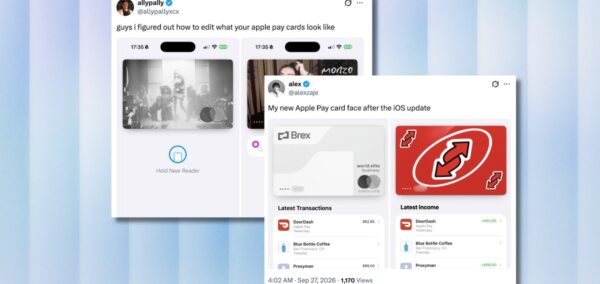
This viral tool lets you customise your Apple Pay cards, and here’s how to do it
You can personalise the entire design

James Acaster could be the Celebrity Traitors’ recruit, as filming reportedly paused for him
It’s not much of a cliffhanger

The ridiculous fortunes of The Celebrity Traitors: Their net worths, from £500K to £50 million
One of them could legit buy the castle three times over