

The twisted history of The Pendle Witch Trials
The story behind the namesake of the college 1660 Lancaster students are home to
Lancaster University is unique for its college system, among only a handful of collegiate universities across the UK, designed to provide unity on campus.
Every undergraduate college is named to a theme; Grizedale is named after a forest in the lakes, Bowland after another forest, Cartmel after the historic priory, County after Lancaster itself, Furness, Lonsdale and Fylde all after districts in the county… and Pendle’s namesake is the Pendle Witch Trials.
One of these things is not like the others.
And with the spooky season putting away its potions for the year, now is as good a time as any to unpack the brutal history of the namesake that a college of 1660 students are home to.
The climate of the witches
There were many conspiring social factors resulting in the formation of witch trials throughout the 17th century, but The Pendle Witch Trials became some of the most famous and best-documented in English history.
It was King James I who really set the social scene with the 1604 Witchcraft Act, which expanded witchcraft laws to persecute those who even spoke the word magic.
Proud author of witch-hating book Daemonologie, James had long been paranoid about witchcraft, to the extent that when his 1589 travels to Denmark to collect his bride were delayed twice due to storms, he accused 70 people of witchcraft upon his return to England.
This event spiralled into the famous North Berwick Witch Trials, and the Witchcraft Act followed. These laws comparatively blew some of Good Queen Besse’s brutal later 1653 laws on the craft out the water.
What happened

The Pendle Witch Trials of 1612 sprung from accusations against Alizon Device, a young beggar, who allegedly cursed a pedlar, John Law. He claimed that after he refused her some pins, a huge black dog came to Alizon and, at her command, attacked him.
Historians have concluded that John likely suffered from a stroke, but when his son Abraham arrived and Alizon was unable to fix what she had allegedly done to Law, Abraham sought only revenge.
Abraham enlisted the help of Pendle’s local magistrate and wannabe witch hunter Roger Nowell to lead the charge against Device. He quickly brought Alizon in for interrogation and she admitted to witchcraft easily, sharing that she had learnt the skill from her mother, Elizabeth Device, and grandmother, Demdike.
She gave two more names, both from a local rivalling family: The Chattoxes. Both families were headed by a matriarch in their 80s and had had bad blood dating back 11 years, when Alizon blamed the head of the family, Old Chattox, for the death of her father.
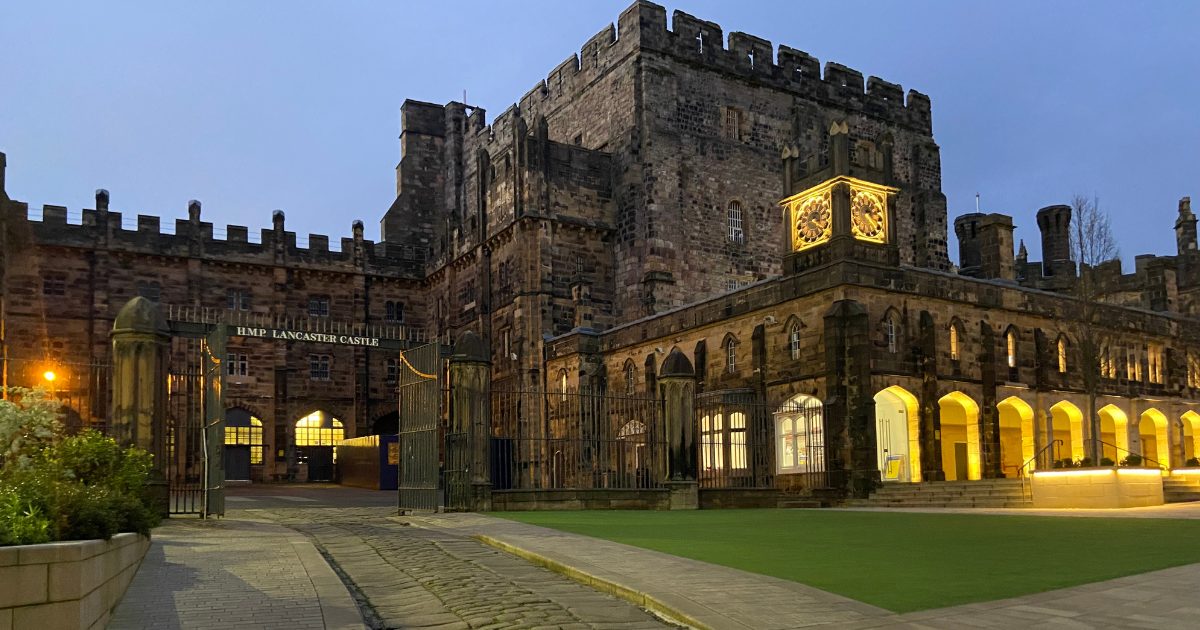
On Good Friday, shortly after the first cluster of witches were safely locked up in Lancaster Castle, there was a grand convocation (family gathering) of 17 witches and three wizards at Malkin Tower (the Devices’ home) which Roger Nowell became aware of via Alizon’s younger brother James Device.

James – not to be confused with the king – helpfully elaborated on the reasons for the meeting: Firstly, to name Alizon’s spirit as she could not be present, being locked up; Secondly, to answer a call for vengeance from a local witch, Jannet Preston; And finally, to devise a plot to blow up Lancaster Castle and release the witches who had been imprisoned.
Regardless of the true happenings of the meeting, why James felt it was necessary to share this information is beyond us. He then swiftly admitted that he himself practiced witchcraft and subsequently joined his family behind bars.
By April, many of those accused were already living in diabolical conditions in the damp and dingy dungeons of Lancaster Castle, chained to the floor, in some cases rotting two feet from the person who had accused them. The 80-year-old Demdike did not make it, and those who did would have been thrust into the court room severely malnourished, some unable to stand, and completely unprepared to defend themselves.
The death of her old adversary inspired Old Chattox to share the names of two more witches: Jannet Device and Margaret Pearson. So when August came around, bringing with it the trials, 13 people had been accused (only two of whom were men) and only one, Alizon Device, pleaded guilty, but they suffered the same fate nonetheless, and on 20th August 1612 were led to the top of Gallows Hill to be hanged.
Of all the accused, only one was to get out alive: Margaret Pearson. Much like that against all other supposed witches, the evidence against her was flimsy at best. But she was only accused of causing harm by magic and managed to weasel her way out of the court room with a year’s imprisonment and a sentence to the pillory.
Lots of the evidence against the witches was from the same source, the young James Device. Although James was a witch himself, the list of names he provided for the Malkin Tower meeting was damning enough to end the lives of Alice Nutter, Katherine Hewitt, and Jane and John Bulcock.
The evidence against Elizabeth Device came from none other than her 9-year-old daughter Jannet Device. Usually children weren’t considered reliable enough testimonies, but Jannet was the star witness needed in this case… and likely received training from the accusers on how to testify and who to identify.
The sad story of the misled Jannet attests to karma, as twenty one years later she herself was put behind bars for witchcraft, testified against by a 10-year-old Edmund Robinson, who claimed she had turned him into a horse and made him fly to a witch’s feast.
The new monarch King Charles I didn’t believe a word of witchcraft, and Edmund actually admitted later to making it all up. Even though she was acquitted however, Jannet was made to pay the cost of keeping herself in prison, and when unable to cough up the money was kept in prison until her death.
The truth of the accusations
The best remembered of the Pendle Witches was Alice Nutter, a wealthy widower of a farmer local to the town of Roughlee, where a statue stands to commemorate her. She had no connection to others accused in the trial, but she was a known to be a staunch catholic, at a time when Roger Nowell was tasked to stamp out the religion. She was accused as a warning to the last Catholics in the area – that once and for all, they needed to pack it in.
However, Alice was not the only rogue accusation. Jannet Preston (a name conveniently given by Old Chattox) also came to be lumped on to the unfortunate list. This was due to long-standing spite held by landowner, Thomas Lister, who blamed her for the death of his father, to whom she was the unlucky mistress of.
These women likely believed themselves to be capable of witchcraft. They were poor social outcasts of little means, who lived by the land and local folklore, the practice of witchcraft and the belief that controlling those who could harm them would have been their only social power.
So, if you donned your witches hat around Lancaster this Halloween, spare a thought for the 1000s of marginalized women across Europe who led simple lives and suffered brutal consequences during this episode in history.
For more of the latest news, guides, gossip, and memes, follow The Lancaster Tab on Instagram, TikTok, and Facebook.


Latest
How to survive November as a Leeds uni student

The excitement of a new academic year is starting to wear off, but there’s still plenty to look forward to

The desperate ways ITV tried to keep Maya Jama when she said she was leaving Love Island

The channel really didn’t want her to go

Here’s what third year students really care about

Suddenly we’ve replaced club nights with pilates classes and cocktails with wandering around M&S
The grad job search: Top tips on staying sane

If I had a penny each time someone said ‘grad job’, I’d be a millionaire.

Two men released on bail as £1m fraud investigation at University of Greater Manchester continues

Police are urging university staff to share any further information

LUSU President launches walking bus initiative in Lancaster

The initiative come as part of Kate Bracewell’s campaign against high bus fares

Inside the ‘deceitful’ and ‘wrong’ UK true story that inspired Netflix’s Black Doves

So much darker than the show

Joran van der Sloot’s full confession transcript, where he admitted to killing Natalee Holloway

He recalled the crime 18 years later
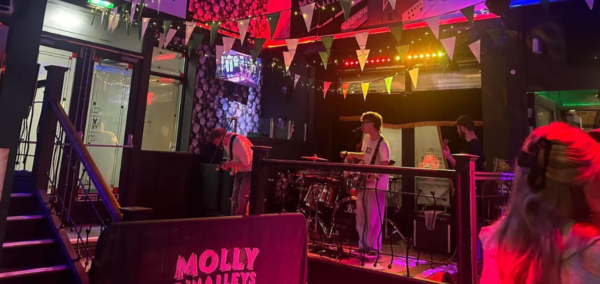
Arrest made after Lancaster bar bouncer allegedly punched a man unconscious
The assault took place at local Lancaster bar Molly O’Malley’s in the early hours of Halloween

For Lancs students: Here’s three events in Morecambe to finish off first term

A round-up of the upcoming entertainment events available in Morecambe
The 25 easiest Oxbridge colleges to get into, based on undergraduate admissions stats

Cambridge’s Wolfson College directly accepts over a fifth of applicants
Wait, what happened to Helen’s parents? Her backstory in Black Doves, explained
Keira Knightley worked out ‘what that mother would’ve been like’
Natalee Holloway: What happened to brothers Satish and Deepak Kalpoe after their arrest
There have been further lawsuits
Joran van der Sloot made ‘pathetic’ apology after confessing to Natalee Holloway’s murder
The Holloway family found it insulting
How many siblings Natalee Holloway has and what they’re doing now, two decades on
They didn’t appear in the Netflix series
Forget the clubs, Manchester’s The Read Room is making bookish nights out cool again

Swapping sticky dancefloors for books and bubbles
Durham Honorary Graduate elected to the International Court of Justice

Old law school professor Depo Akande has been elected as a judge to the UN’s International Court of Justice

New agreement to create cricket partnership between York and Bengaluru

The University of York and Garden City University have signed an agreement to create exchange programmes for students through the game of cricket

Firework control zones to continue until 8th November

City council named fourteen areas to curb use of fireworks after distressing firework incidents in previous years

Cardiff Fight Night is back and it’s returning to where it all started

Cardiff Fight Night returns to DEPOT on Monday 7th December and we can’t wait