


The death of the student hangover?
Students used to compete over who could stay out the latest. Now we’re competing over who can get up the earliest.
Across Bristol, it seems that the classic university student stereotype is starting to look a little different.
Many students have swapped their bed-ridden hangovers for early morning 5ks across the Downs. Instead of downing VK’s at La Rocca until the early hours of the morning, people seem to be choosing an early night and an electrolyte as their drink of choice.
Every time I think I’m having a productive day, there’s always someone who has already been to the gym, got their 10k steps in, or hit their protein goal for the day. Being productive has started to become a personality trait. It is no longer a flex to stay at the club till lights on; instead, everyone seems to be battling it out over Strava scores.
So why have students suddenly become so obsessed with being healthy?
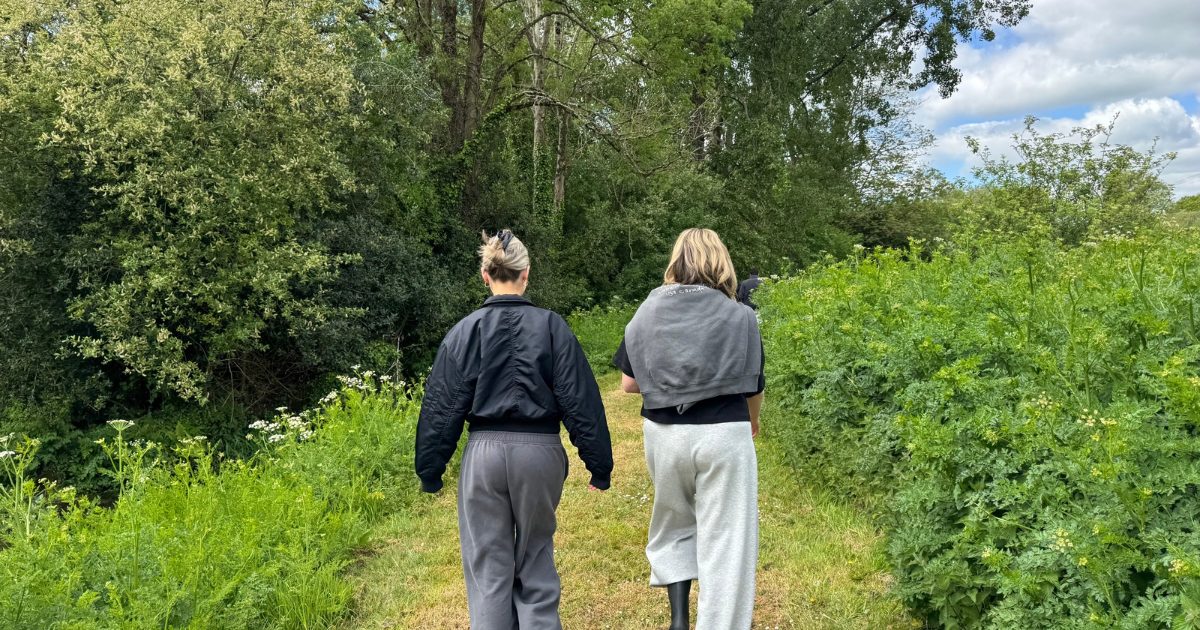
Run clubs are the new nightclubs
Maybe the reason run clubs seem to be replacing nightclubs is simply that going out has become ridiculously expensive.
Before the night has even begun, you have paid the hefty ticket price and probably split a bottle of vodka with one of your friends. The drinks only get more expensive once you’re inside the club. Especially after you have had a few too many and decide you are going to treat everyone to a round of Jaeger bombs. Then comes the Uber home and the obvious stop at the kebab shop for an essential portion of cheesy chips – despite swearing you were going to be ‘good’ this week.
Save the Student’s latest National student money survey found that students spend an average of £60 a month on going out – showing just how much of a student’s budget goes towards clubbing. Meanwhile, the average pint price in Bristol has climbed to around £6, and Bristol was recently named one of the UK’s most expensive student cities to rent in. These prices are starting to make running look appealing.
Going for a morning 5k is free. All you really need is a pair of trainers and some headphones, and a student gym membership is considerably cheaper than a night out. Run clubs can also be a social event; they are somewhere to meet people or something you can attend with your friends. You do not need to spend £40 just to have a social life.
Perhaps the rise of Strava isn’t because students have developed an overwhelming obsession with running but simply because it’s affordable and makes you feel good. Strava reported a 59% global increase in running club participation in 2024.
However, running and going to the gym have started to become as competitive as going out used to be. Instead of comparing who stayed out the latest or had the most vodka Red Bulls, people are posting their Garmin stats.

The wellness competition on social media
Our obsession with health and fitness is not helped by our other obsession: social media.
I don’t just see what my friends are doing anymore. Every time I open TikTok, I’m watching strangers’ 5 a.m. morning routines and their perfect protein-loaded breakfasts.
This is where the current wellness obsession starts to get slightly concerning.
You can exercise and eat healthily because you really enjoy it, or you can go on a run because you’re competing with someone you saw post their productive day on social media.



Similarly, you can go to bed early because you fancy a night in or because your Oura Ring told you your sleep score was poor.
At some point, being healthy stops being about feeling better and starts becoming another competition. Social media has made it far too easy to compare our everyday lives with people’s best moments. We don’t watch people having fun and enjoying themselves. Instead, we see how much effort they put into becoming the “best version” of themselves.

Proteinmaxxing
This is perhaps most obvious when it comes to food trends.
Protein has gone from being part of a balanced meal to the most important part of every student’s food shop. Protein yoghurt, protein bars, protein cereal and even protein pasta. If you aren’t eating 5 scrambled eggs and a tub of cottage cheese for breakfast, what are you even doing?
There’s absolutely nothing wrong with eating well and making sure you get enough protein, but don’t let these goals get in the way of living a fulfilling student life. You should be able to cook comforting meals with your friends and go out for a couple of drinks just because you want to.

Even sleep has become productive
The most ironic part of all these wellness trends is that even sleep has become trendy.
When we were younger, sleep was used as a form of punishment from our parents. Now sleep is something to optimise. Somehow, society has turned an activity that involves doing absolutely nothing into another productive challenge.
It is the contradiction at the centre of wellness culture: we are constantly being told to slow down and listen to our bodies. Whilst also feeling constantly stressed and in competition with strangers online.

Go on the Night Out
None of this means that students should be going out five nights a week, staying up till 6 am and consuming nothing but pints and pesto pasta.
Our generation’s interest in exercise, sleep and nutrition has got a positive side to it. Going to the gym can make you feel good, getting enough sleep makes doing your university work a lot easier, and eating healthy meals is better than surviving off McDonald’s.
But there is a huge difference between being healthy and constantly trying to be the most efficient version of yourself. You don’t need to make every hour of your day productive or track your macros. Students are allowed to be a little bit silly. Don’t feel guilty for staying up late chatting rubbish with your flatmates, rotting on the sofa for the entirety of a Sunday, or missing your gym sesh because you’re too hungover. University is the only time in life that you will be surrounded by your best friends and have very few responsibilities beyond passing your degree, so make the most of it.
Latest

The death of the student hangover?

Students used to compete over who could stay out the latest. Now we’re competing over who can get up the earliest.

Wholesome things to do as a student in Leeds if you’re sick of drinking

For everyone who’s burnt out from drinking 2 months’ worth of alcohol in 2 weeks

‘I wasn’t ready to go’: The Great British Bake Off’s Shannon speaks out after her elimination

She shared an emotional message for a particular contestant

Lancashire uni student murdered by her stepdad who had ‘sexual obsession with her’

Carla Georgescu was found dead earlier this year on what would have been her 20th birthday


Manchester Met students furious after 2027 graduations are pushed back to November

Many students can’t attend their own graduation

Two themed weeks from The Great British Bake Off were scrapped for the 2026 season
The weather made it tougher to film the show
Right, here’s how to become an absolute academic weapon at Leeds Uni

Unleash your inner study demon this semester

Celebrity Traitors stars have to leave the castle every night, just like regular contestants

They don’t stay in a fancy hotel



What Christa Pike told doctors in first conversation after waking up, as recovery becomes more clear

She has been able to communicate in a ‘basic way’
Take our survey on sexual assault at universities, and help expose the issues students face
We want to raise awareness of how sexual assault impacts university students

Romesh Ranganathan’s friendship with Rob Beckett could seriously backfire on Celebrity Traitors
A close friend has spoken out

The insane cost of the Christa Pike case includes her $26,000 recovery in intensive care

‘I can’t even begin to guess what her hospital bill will be’

Passenger on BA flight that plunged 27,000ft describes the eerie moment in ‘silent’ cabin
‘I did not hear a single scream’

Bake Off’s Audience Choice Week has shaken up the schedule, but Bread Week is still coming
‘I hope they don’t do that again’

I didn’t know how strict The Celebrity Traitors rules are, and most of them we don’t see
A former star has explained

Praised Farage to full-on socialist: The Celebrity Traitors who are surprisingly super political
Eternally stunned by Ross Kemp

Police say welfare check led to discovery that exec had killed family and himself in $1.7m home
24-year-old daughter Sloane had recently graduated

The Warwick Tab is looking for a fun, talented TikTok editor to lead our social channels

Applications close on Wednesday 14th October at 11.59pm