
All the powerful hidden meanings you probably missed in Bad Bunny’s symbolic Super Bowl set
I totally didn’t pick up on these
Once again, Bad Bunny has made history after he headlined what became the most-watched Super Bowl halftime show ever, which was filled with hidden meanings.

Action Press/Shutterstock
While many people questioned the NFL’s decision beforehand, Benito used his nearly 14-minute performance to deliver something far bigger than a typical halftime spectacle: An unapologetic love letter to Puerto Rico.
Bad Bunny turned the halftime show into a celebration of culture, identity and community. As he once told Harper’s Bazaar, his success in the United States is deeply tied to Latino communities, and his performance made that message impossible to ignore.
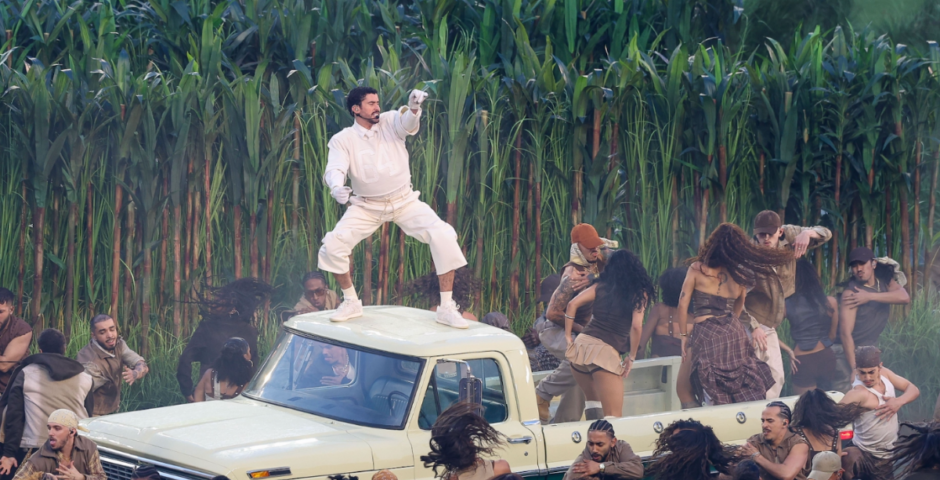
The sugar cane fields referenced Puerto Rico’s colonial past
The show’s opening set recreated sprawling sugar cane fields, a direct nod to Puerto Rico’s complicated economic and colonial history. Like many Caribbean islands, Puerto Rico was heavily exploited for agriculture during European colonial rule. While empires profited from sugar exports, enslaved people and local communities endured brutal labor conditions.
His jersey paid tribute to family roots

YouTube/Apple Music
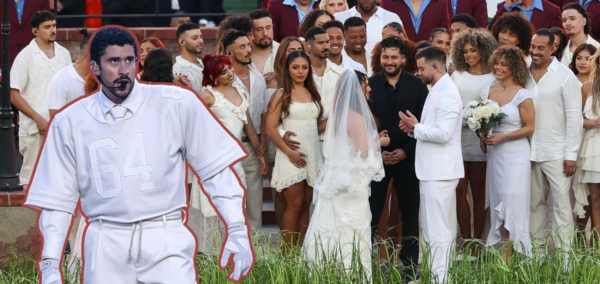
Bad Bunny, born Benito Antonio Martínez Ocasio, honored his family through his wardrobe. Wearing an all-white Zara outfit, he took the stage in a jersey embroidered with the number “64”, referencing the uncle he was named after who played football wearing that same number. The back of the jersey read “Ocasio”, highlighting his family name.
Everyday street life recreated a sense of home

YouTube/Apple Music
As he moved through the set, scenes of Puerto Rican street culture unfolded around him: Older men playing dominos, women getting their nails done, vendors selling jewelry, tacos and piragua (shaved ice).
Together, these details recreated the rhythms of everyday life on the island, reinforcing the themes of community and nostalgia that shaped his Grammy-winning 2025 album Debí Tirar Más Fotos.
“El Apagón” highlighted Puerto Rico’s power crisis

YouTube/Apple Music
During his performance of “El Apagón,” dancers climbed electrical poles that sparked and exploded, a visual representation of Puerto Rico’s ongoing electrical instability.
The song references frequent blackouts that have plagued the island, especially after Hurricane Maria triggered the longest electrical blackout in U.S. history in 2017. Bad Bunny has long criticized the government and energy companies over the issue, making this moment one of the show’s most overt political statements.
The casita symbolized tradition and community

YouTube/Apple Music
Bad Bunny’s pink cement casita, first seen in the Debí Tirar Más Fotos short film, returned to the stage. Inspired by traditional countryside homes, the structure has become a recurring symbol in his work.
Just like during his San Juan residency, celebrity guests filled the porch while Benito performed from the rooftop, reinforcing themes of home, shared culture and community celebration.
El Morro brought Puerto Rico’s history to the world stage
Lady Gaga’s surprise cameo introduced a replica of Castillo San Felipe del Morro, the iconic 16th-century Spanish fortress in San Juan. Now a UNESCO World Heritage Site and U.S. National Park, El Morro represents Puerto Rico’s layered colonial history, a reminder of the island’s resilience and global significance.
The light blue Puerto Rican flag referenced independence
YouTube/Apple Music
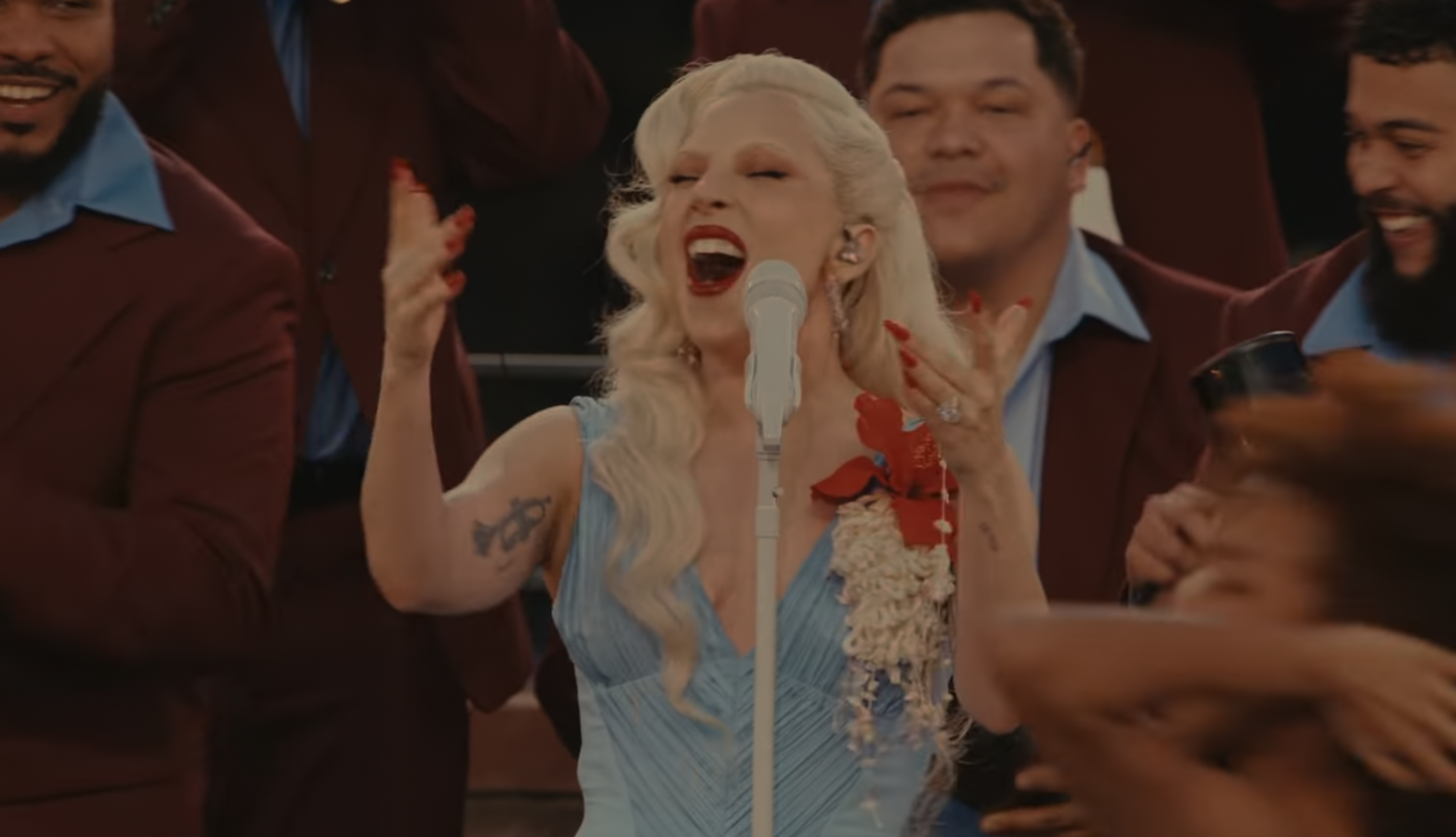
Throughout the show, Bad Bunny carried a Puerto Rican flag featuring a lighter shade of blue, widely associated with the Puerto Rican independence movement. The color appeared elsewhere too, including in Lady Gaga’s dress, which she paired with the red flor de maga, Puerto Rico’s national flower.
Together, the imagery emphasized cultural pride while subtly nodding to ongoing political conversations about the island’s future.
Even the taco stand had historical symbolism
Fans quickly noticed that one taco stand was labeled “Villa’s Tacos”, seemingly referencing Mexican revolutionary Pancho Villa, the only person to have led a military incursion into the United States. Like many details in the performance, the reference added another layer of Latin American history to a already symbolism-heavy show.
For more like this, like The Tab on Facebook.
Featured image credit: Action Press/Shutterstock
Latest
UCL wrongfully gave over £5,000 in travel expenses to President and his wife
Michael Spence, UCL’s President and Provost, had previously come under scrutiny for expenses claimed in his old job as vice-chancellor of the University of Sydney
The oddly bland men from the Love Is Blind US season 11 cast, ranked by red flags

I can’t move beyond Blake’s mullet
Love Is Blind viewers are obsessed with Rob’s mum, so here’s a closer look at their bond
Rob called her ‘stronger than anyone’ he knows
Never heard of Falloween? A 2026 costume guide for all uninspired Manchester students

For the last-minute panic buyers who don’t want to join the clan of Ali G’s every year in Manchester
Don’t fall back on fast fashion this Halloween

For all those Bristol students desperate for an excuse to get back into the charity shop x
From the humanities students: Ten tips for your first term at Durham

Everything humanities students need to survive and thrive
UYRUFC achieve a ground breaking Ladies Day

The club successfully raised over £5,000 for Pink Ribbon Foundation, breaking UYRUFC club records
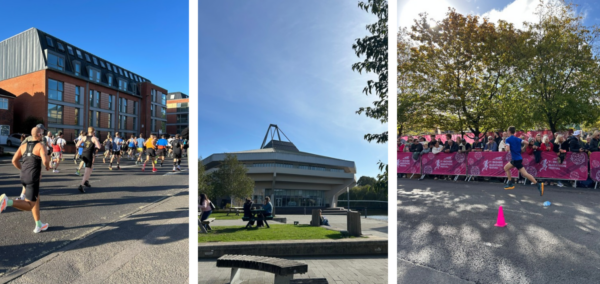
Altra Yorkshire Marathon sees record number turnout

Thousands of runners gathered on 18 October to set off from University of York campus for the marathon
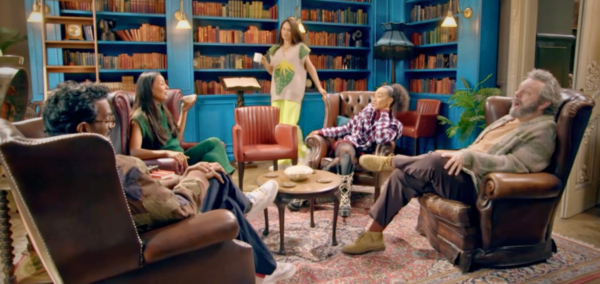
The Celebrity Traitors has ‘off days’, but rules dictate what the cast can do off-camera
Joe Lycett painted Rob Beckett
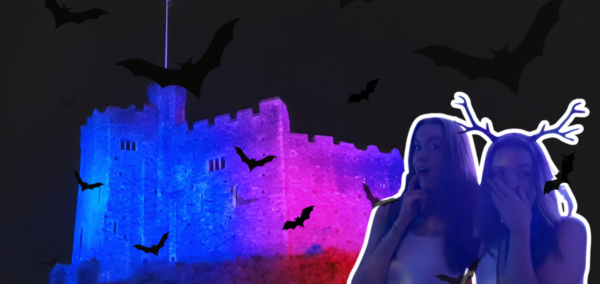
How to have the spookiest Halloween in Cardiff without breaking the bank

If your bank balance isn’t keeping you up all night, these Halloween plans might
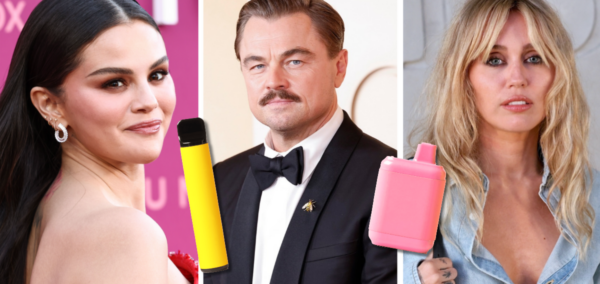
Selena Gomez to Doja Cat: The celebrities who’ve opened up about their vaping habits

Many are trying to quit
Revs or MASH? Cambridge students have finally spoken
Here’s how students actually feel about Cindies’ MASH takeover
How to spend 24 hours in Manchester like you’re in a Gilmore Girls episode

From crunchy leaf walks to here’s your very own guide to romanticise this season
Cambridge on a plate: Unique independent food spots around the city
I visited a range of proudly independent Cambridge food spots to give you my verdict
James Acaster reveals Celebrity Traitors contestants hear The Hanging Tree over and over again

It’s left people ‘traumatised’
This is exactly how you would win The Traitors, based on your Leeds degree

Now reveal yourself: Aare you a Traitor or Faithful?
The best Halloween costumes you can make with clothes you already have

Let’s beat the last-minute panic together
Human remains removed from Glasgow museums due to controversial ‘consent’ issues
Both the Kelvingrove Art Gallery and the Hunterian Museum have removed parts of their Egyptian display due to lacking ‘consent’ from the deceased
Here’s which type of player each Lancaster college would be on The Traitors

At Lancaster, anyone could be a traitor
The Love Is Blind UK S3 couple who didn’t get married on the show just split via text message
Sammy says she was about to move in with Jonathan