
The full Lizzie Borden skipping rope rhyme and its eerie origin, after Netflix’s Monster
It’s centuries old
Thanks to Netflix’s Monster: The Lizzie Borden Story, lots of people are only just finding out about a gruesome nursery rhyme that tells the story of her father and stepmother’s murders.
The rhyme is about American woman Lizzie Borden, who was accused of killing her father and stepmother in August 1892 at their home in Fall River, Massachusetts. Borden was acquitted of the murders, but that didn’t stop people from gossiping – including children.
Here’s a look at where the rhyme actually originated and its eerie history.
Credit: Netflix
The full rhyme about Lizzie Borden goes like this
“Lizzie Borden took an axe,
And gave her mother forty whacks.
When she saw what she had done,
She gave her father forty-one.”
“Andrew Borden now is dead,
Lizzie hit him on the head.
Up in heaven he will sing,
on the gallows she will swing.”
The Lizzie Borden rhyme has an eerie history
The rhyme eerily originated amongst local Fall River children, who sang it immediately after the murders. Some are believed to have taunted Borden with the rhyme, as seen in Monster: The Lizzie Borden Story when the kids knock on the door at the end while dressed as her. Apparently, they would sing it outside the window of her Maplecroft estate.


It was then printed in an Ohio newspaper, The News-Herald, on 15th February, 1894, alongside an article about a concerned Boston mother who heard children singing it at school. This was just eight months after Lizzie was acquitted of the killings in June 1893.
The version that was printed was actually a bit different to the rhyme we know today, using the numbers “twenty whacks” and “twenty one” instead of “forty whacks” and “forty one”. It also used the old spelling of axe.
Credit: Netflix
“Lizzie Borden took an ax
And gave her mother twenty whacks;
After seeing what she’d done,
She gave her father twenty-one.”
Over the years, the rhyme kept being said amongst children and began being used as a skipping rope rhyme, jumping as you say the words. As it got passed down, “twenty” turned into “forty,” likely to make it seem even more gruesome. However, the original version was actually far more accurate to the real Borden crime scene.
The next official recording of the rhyme was in Edmund Pearson’s 1924 book, Studies in Murder. He claimed the poem had become very famous, but nobody knew who invented it. 134 years later, we’ll never know who came up with it, but it will be ingrained in American school culture forever.
For all the latest Netflix news and drops, like The Holy Church of Netflix on Facebook. Featured image credit: Netflix
Latest

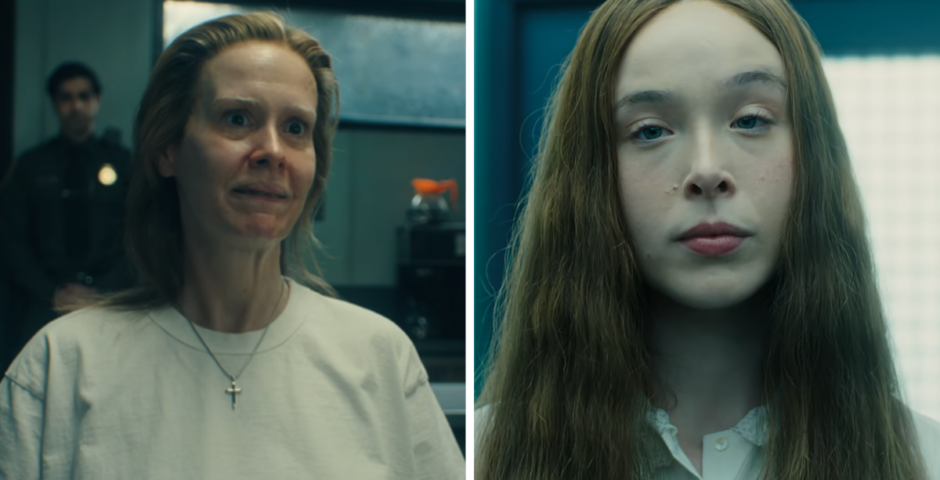
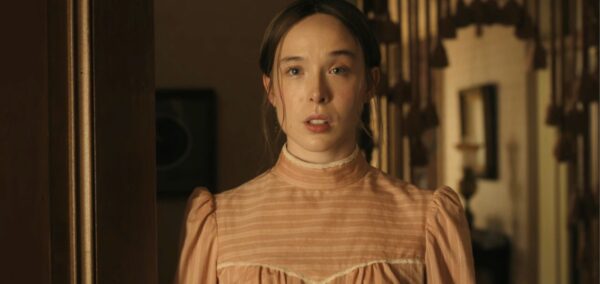
The Lizzie Borden Story cast next to the real people show how accurate Netflix’s Monster is

At least it got one thing right
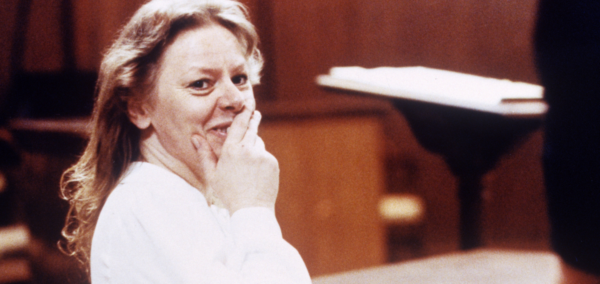
Aileen Wuornos had a husband and a child in further backstory Netflix’s Monster didn’t mention

Her husband was 49 years her senior
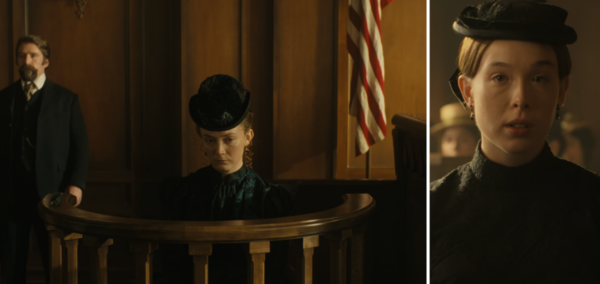
Emma Borden’s confused argument with a lawyer at Lizzie’s trial was very different in real life

She suddenly forgot what she’d earlier said
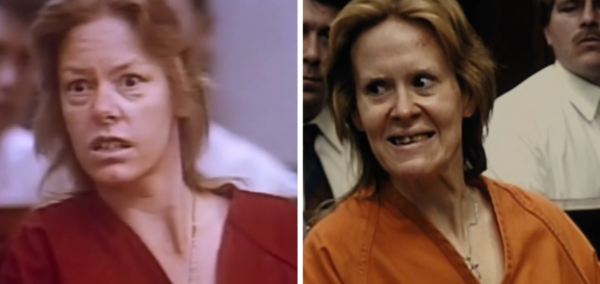
Footage of real Aileen Wuornos next to Monster on Netflix shows just how accurate scenes were
Monster gets a lot wrong, but Sarah Paulson gets everything right
Lizzie Borden’s sister gave a single interview 20 years later, saying the house was ‘unbearable’
‘As for her being guilty, I say no, and decidedly, no’
Aileen Wuornos’ tragic childhood explained, from her absent parents to life on the streets

Her past is explored in Monster
The healing power of housemates in eating disorder recovery

Friendships at university have more healing powers than initially perceived
40 years later, one of the Unsolved Mysteries cold cases has just been solved
Police thought they’d never have answers
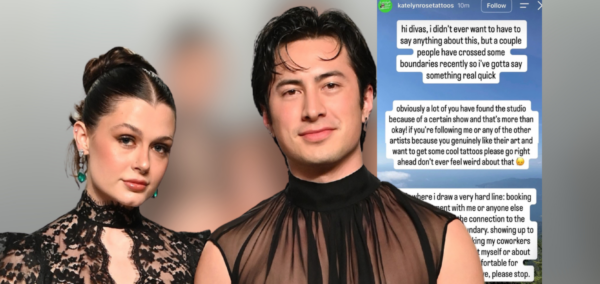
Hudson Williams’ girlfriend condemns people going to her workplace and crossing ‘huge’ boundary
‘I didn’t ever want to have to say anything about this’
Family not informed of missing Lancaster student because ‘it was a weekend’, inquest told
The dad of Henry Shields called it ‘shocking’ the family was not contacted despite his son missing ‘three exams’
Calling all students and incoming freshers: Apply now for The Cambridge Tab’s editorial team

Applications close at 11.59pm on Monday 12th October
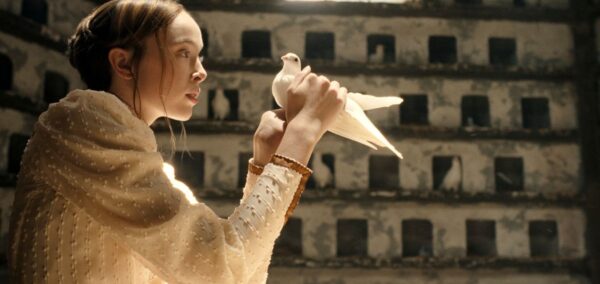
The real history behind Lizzie Borden’s pet doves, as shown in Netflix’s Monster
The storyline is loosely based on fact
If you’ve never burped in your life, there’s actually a medical name for it
It’s a recognised condition
We want you! The Birmingham Tab is looking for new writers and content creators

Join us on Tuesday 6th October at 5pm for our open meeting in Joe’s Bar

The best three UK universities to study every subject at in 2027, as revealed by The Times

Imperial College London ranks first for medicine, not Cambridge or Oxford
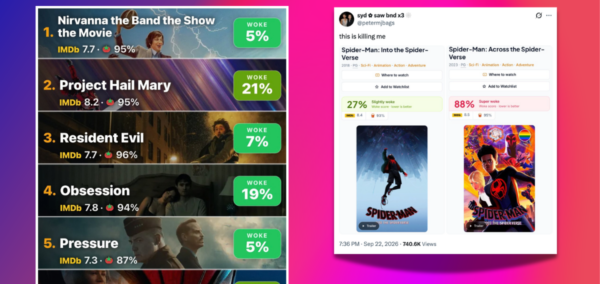
Rotten Tomatoes alternative scoring movies on ‘woke’ themes divides people after going viral
Monster: The Lizzie Borden Story is 85 per cent ‘woke’
Meet Mae, the Great North Run runner who raised more than £2,000 for cancer research

Mae Craven completed the run in memory of her mum who died from cancer when she was 15
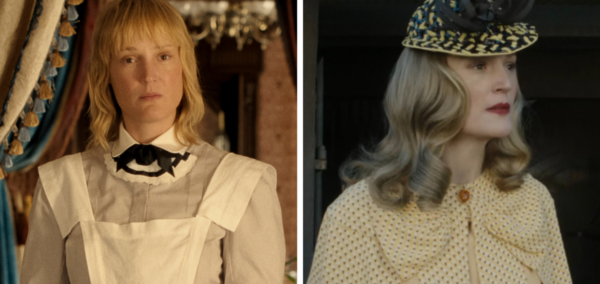
Four cast members in The Lizzie Borden Story have appeared in Monster seasons before
It’s not just Charlie Hunnam who came back

Five Russell Group uni cities make the top 10 for part-time student jobs, but Hull comes first
Students face an average £502 monthly gap between their maintenance loan and living costs, with 65 per cent of undergraduates now working during term time