
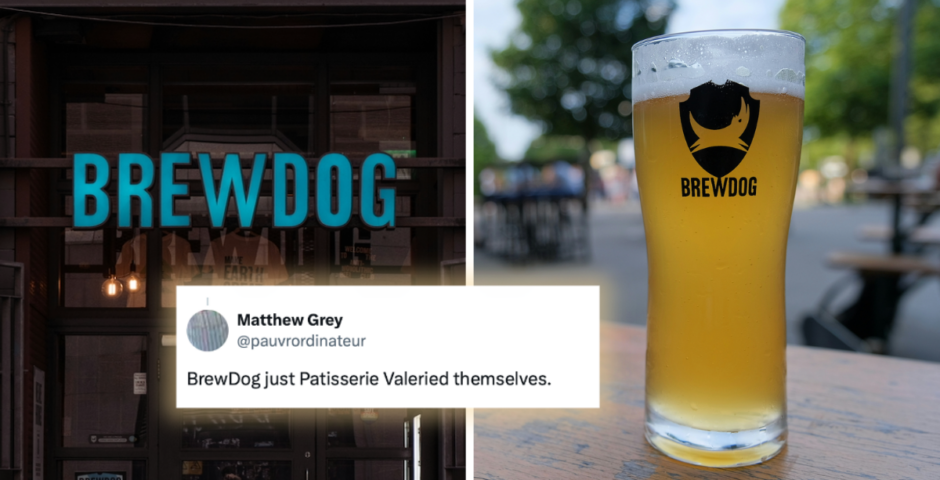
The rise and fall of BrewDog: How the ‘punk’ beer company lost the plot completely
The company was sold this week
BrewDog, the “hipster” beer giant once valued at a whopping £2 billion was sold this week for just £33 million, a fall so dramatic it feels less like a business deal and more like a cautionary tale.
Some BrewDog sites have survived the crash, including major bars at Waterloo and Canary Wharf in London. But many others weren’t so lucky. 38 bars have closed and 484 jobs have been lost following the company’s sudden fall into administration and rapid sale.

Unsplash/Alexander Ruiz
The collapse also crushed the hopes of thousands of fans who bought into BrewDog’s heavily marketed Equity for Punks investment scheme. It’s a remarkable downfall for a brewery that once dreamed of a stock market listing while preaching a proudly “punk” ethos.
The rise of craft beer’s loudest brand
Founded in 2007 by James Watt and Martin Dickie, BrewDog set out to shake up what they saw as the UK’s “stuffy” beer market. For a while, they succeeded, and the company was hugely successful.
Their beers, from Punk IPA to Hazy Jane and Dead Pony Club, became staples of bars across Britain. BrewDog pubs popped up in almost every UK city, with international branches located as far away as Australia and Japan. By the late 2010s the brand was everywhere, complete with merch drops, edgy marketing and a laddish, hipster aesthetic.

Unsplash/Ezra van den Broek
When the cracks started to show
Things began to really unravel around 2021. That year saw damaging allegations of a toxic workplace culture, which broke their carefully curated rebel image. At the same time, pandemic pub closures hit BrewDog’s bar-heavy business model hard.
More than 100 former employees signed an open letter under the name Punks With Purpose, accusing leadership of fostering a “culture of fear” driven by relentless pressure and burnout.
Staff claimed the company’s obsession with growth meant PR stunts often mattered more than people.
Ironically, Watt had warned about exactly this problem years earlier in his book Business for Punks, writing: “Get your culture right and it’s pure plutonium. Get it wrong and it’s Chernobyl.”
PR stunts and mounting controversy

Unsplash/Sebastian Herrmann
BrewDog had always thrived on outrageous marketing. One infamous stunt involved hiring a person with dwarfism to stand outside Westminster for a week holding a placard reading “Size Matters” to campaign for two-thirds beer measures in pubs – which actually worked.
But over time the stunts and controversies piled up.The company was accused of stealing marketing ideas through fake job interviews, faced repeated criticism over environmental claims, and dealt with ongoing accusations about workplace culture.
In 2024, BrewDog was criticised after an Asian staff member said she was dismissed after raising concerns when members of the English Defence League held a meeting in the bar where she worked.
Too big, too fast
By 2025 the cracks were impossible to ignore. BrewDog announced the closure of 10 bars, admitting some locations were simply no longer viable. Founder Watt blamed “skyrocketing costs” and “unprecedented pressures.”
Meanwhile, nearly 2,000 UK pubs stopped stocking BrewDog beers altogether, a brutal blow for a brand built on being everywhere.
The ending feels inevitable. The company that built its reputation on being anti-corporate slowly became exactly that.
For more like this, like The Tab on Facebook.
Featured image credit: Unsplash


Latest
Love Island’s Priya is now throwing major shade at Aidan after the split and it’s brutal

The niceness didn’t last for long
Your day by day guide to Freshers’ Week 2026 at the University of Sheffield

Starting uni and unsure what to do? Here’s a daily guide of what’s on that you could get involved in
Calling all writers and content creators: The Newcastle Tab wants you!

Come along to our open meeting on Thursday 1st October at 6:30pm at Luther’s x
Channing Tatum’s alleged burner account has responded, so here’s why it might not be him

The evidence is piling up
Crying on stage to fearing for safety: Ed Sheeran’s ‘pity party’ weekend in its woeful entirety

‘I see 50,000 people who haven’t abandoned me’
Eight UK universities already plan to strike over job cuts in the 2026/2027 academic year

Staff at two Russell Group universities will strike this autumn
How Monster used some seriously grim tricks to film *that* Lizzie Borden vomiting scene
It also actually happened in real life
As Ed Sheeran cried on stage, his own cousin dropped brutal bombshell about his ‘malicious’ ways
‘I don’t like his music so I can’t say he’s even a good artist’
Love Island’s Lorenzo is drastically losing Instagram followers and there’s an embarrassing pattern

Thousands of people have dipped
Right, here’s what’s *really* going on with Love Island’s Yasmin, Lorenzo and Central Cee
She met up with both of them last week
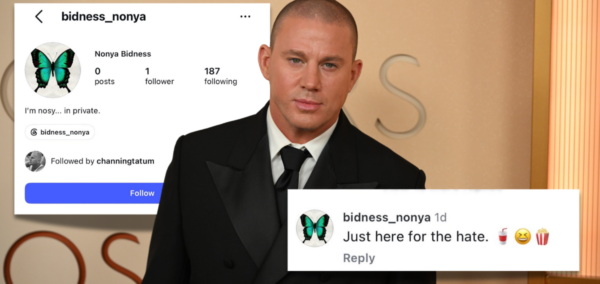
The full messy picture of Channing Tatum’s alleged burner account, and the mean things it writes
There are so many posts about Harry Styles and Zoë Kravitz
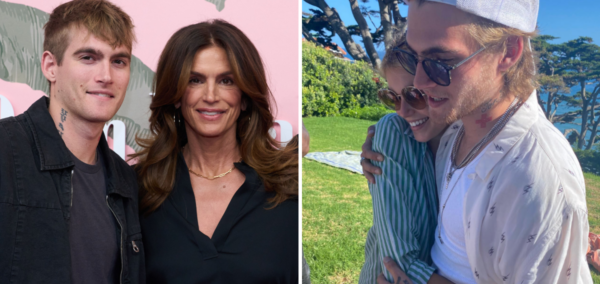

Oh no! There are divorce rumours surrounding yet another Love Is Blind couple
I can’t deal with this heartbreak

University of Edinburgh to axe 90 degree programmes from 2027 amid £140m cuts drive

The UCU has since announced five weeks of strike action
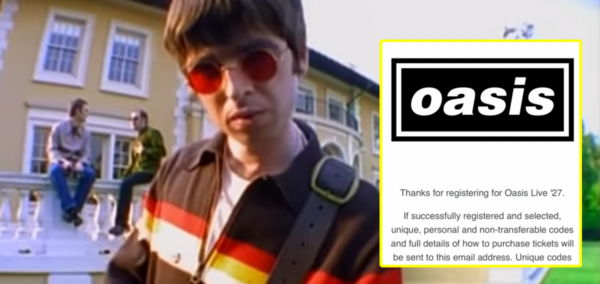
Oasis is returning to Manchester: Here’s everything you need to know

Get your bucket hats at the ready for another Ticketmaster war
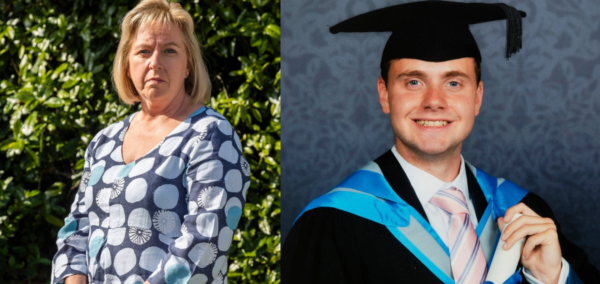
Mother of missing Bristol student Jack O’Sullivan blames police for ‘total failure’ to find him

Catherine O’Sullivan claimed that police have made basic errors in the initial search
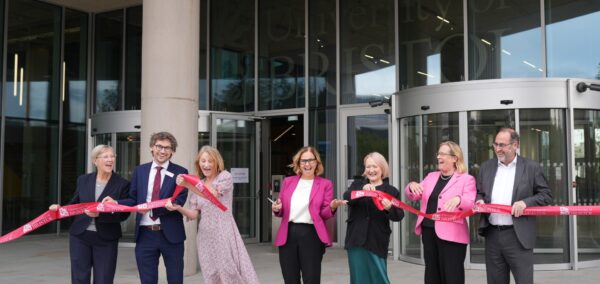
New Sloane Robinson Building opens on University of Bristol Temple Quarter campus

It has replaced the old Royal Mail sorting factory, which has stood derelict since 1997
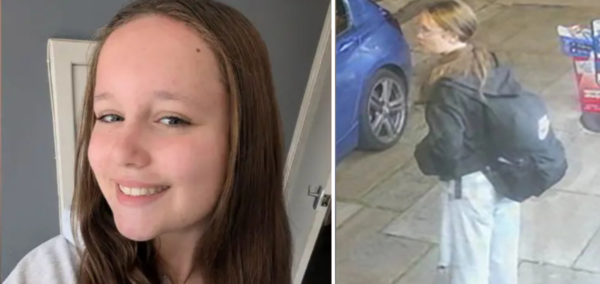
Missing 13-year-old found in Manchester city centre after eight day search

Police have confirmed the teenager is safe and well

Who Lizzie Borden’s sister Emma was and if they were close, because Monster gets it all wrong
She never got married for a start