
Cambridge SU delays postgraduate presidential election results after disqualifying candidate
Roman Shainskyi was removed from the election following complaints he interfered with voting

Following the results of the Cambridge sabbatical officer elections, you may have noticed the position of postgraduate president remains unannounced.
The delay in announcement is due to the appeal window for a disqualified candidate extending past the planned results date.
Roman Shainskyi was removed from the election after a number of complaints were made about him, including that he “interacted with the voting platform on another student’s phone” and “would not leave students alone until he saw them voting for him”.
Roman has categorically denied these allegations, telling The Cambridge Tab helping students navigate the SU platform was the “full extent” of his involvement. He also stressed “the decision was taken without a full evidentiary process that included [his] witnesses”.
He said: “The suggestion that I systematically breached Rule 4.9 does not withstand logical scrutiny. A substantial number of students voted in this election. It would have been physically impossible for me to be present while each of those individuals cast their ballot. The scale of the vote compared to the small number of complaints must be considered proportionately.”
Jamie Burrell, Deputy Returning Officer at Cambridge SU, maintained he “followed due process, considered evidence and first-hand accounts from multiple parties including the candidate concerned” when making the decision to disqualify Roman.
Before being disqualified from the postgraduate presidential election, Roman was banned from campaigning for 12 hours over an allegation he was “rude and disrespectful to SU staff” and putting a poster up in a college bar despite it being against their policy.
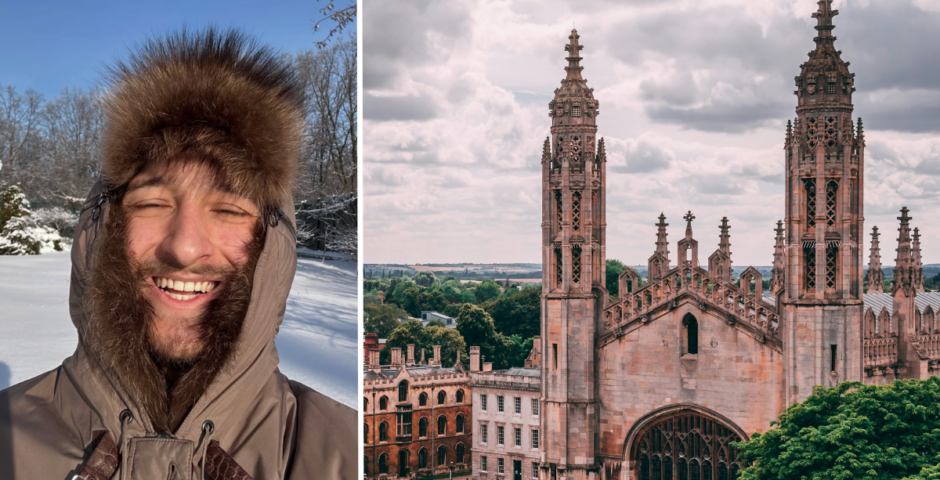
The postgraduate student currently studies entrepreneurship and owns a tutoring company of over 200 people.
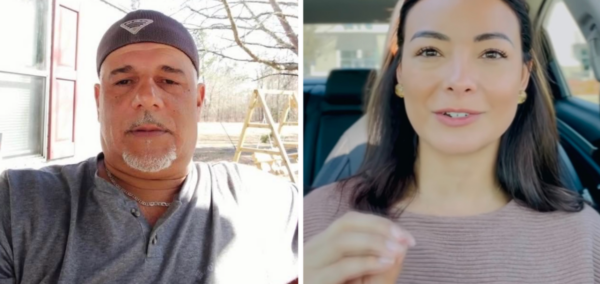
Roman is not the only candidate who faced disciplinary measures during the SU postgraduate elections. Jeeves Rohilla, a Cambridge influencer (and PhD student in Theology) who interviews people about their experience at the university, also received a temporary ban on campaigning.

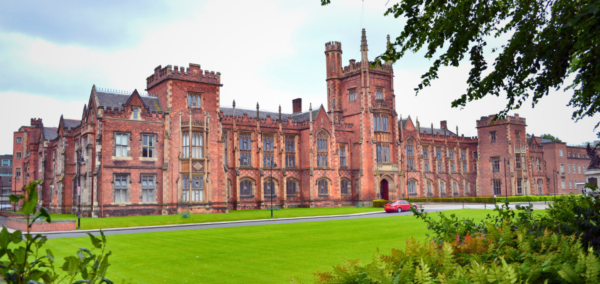
via Google Maps
Jeeves was prohibited from conducting any campaigning activities from 1.30pm on Thursday 26th February until the end of voting, after he featured in a collaborative post on the official Cambridge University Instagram account that breached the rules of the election.
Speaking to The Cambridge Tab, Jeeves claimed he had “no idea [the video] was being posted” as it was “done on the University of Cambridge account” and was “filmed months ago”.
He explained: “Within hours of the post going live, I messaged Cambridge to take the post down and blocked the Cambridge Instagram account from mine. I also proactively emailed the SU to inform them about the video and asked if there was anything further I could do.
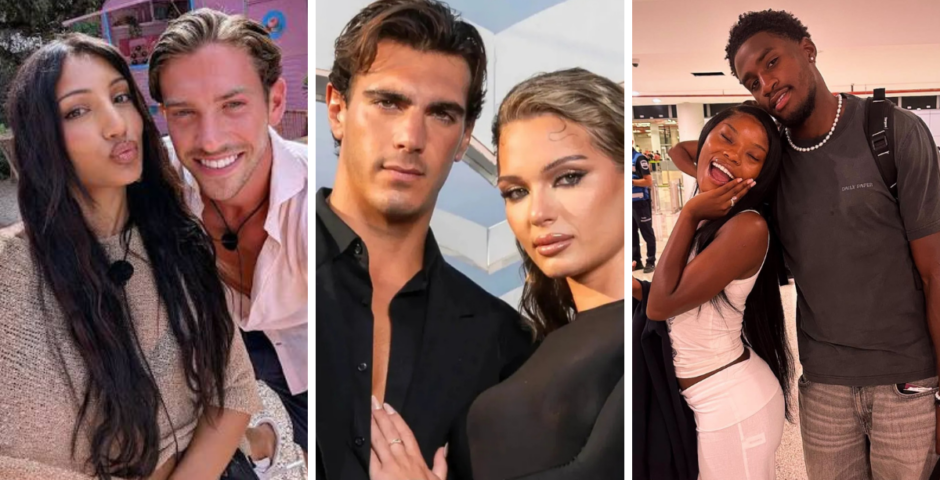
The SU Returning Officers valued the fact that Jeeves made “no deliberate attempt to gain an electoral advantage” and “was not responsible for or anticipating the post”. They later upheld this when another candidate made an anonymous appeal asking for Jeeves to be disqualified.
Before this SU election, there has been no campaigning bans enforced for at least three years.
Roman Shainskyi said: “The allegations that led to my disqualification are false. I did not cast votes on behalf of any student. I did not pressure anyone. Where students asked for help navigating the SU voting platform, I showed them where the postgraduate category was and then stepped away. That is the full extent of my involvement.
“There is also essential context. Throughout the campaign, I made clear that, if elected, I would prioritise professional development, entrepreneurship, and student opportunity rather than external political activism. Following this, I was repeatedly followed across different sites by pro-Palestine activists who strongly disagreed with that position. They interrupted conversations, shouted “Free Palestine” at me, and pulled students away after I had spoken with them.
“I have witnesses who are prepared to confirm that these individuals followed me between locations, they approached students after they had interacted with me, students were encouraged to submit complaints against me. This context is directly relevant when assessing the credibility and origin of the complaints.
Crucially, the disqualification was published without a formal hearing in which I was able to present witnesses and evidence before a senior review body. My witnesses were not gathered, examined, or weighed alongside the complainants’ accounts prior to the sanction being imposed and made public. Given the severity of disqualification, that lack of procedural balance is a serious concern.”
Jamie Burrell, Deputy Returning Officer at Cambridge SU, said: “At the close of voting, there were outstanding complaints to be resolved relating to the election for president (PG). As a result, the vote count and results for president (PG) have been delayed until those complaints and any appeals are resolved or any opportunity for appeal elapsed in line with the Cambridge SU by-laws, election rules and complaints procedure.
“As the independent Deputy Returning Officer, I have reviewed these complaints and made rulings, which can be found on the SU website.
“The results will be confirmed once any appeals have been resolved or the window for appeal elapsed. We will continue to release any and all appeal rulings including justification for decisions on our website.
“The Returning Officer and I remain committed to delivering and concluding a free and fair election.
Cambridge SU has been contacted for comment.
For more of the latest news, guides, gossip and memes, follow The Cambridge Tab on Instagram, TikTok, and Facebook.
Featured image via Instagram @roman_shainskyi and Unsplash
Latest
Influencer apologises after backlash over ‘grossly inappropriate’ Lindsay Clancy post

‘Why do you feel comfortable getting paid off the back of a tragedy?’
The ‘homophobic’ drama surrounding this notorious OnlyFans lad… who makes p*rn for gay men

He’s been banned from TikTok now, but each video he’s posted has made it SO MUCH WORSE
Where the cast of The Inbetweeners are now 12 years on, as Netflix announces third film

Jay, Simon, Will and Neil are all coming back
JP Miller’s dad has a 40-year criminal history, including dark allegations made against them both
Accusations against Reginald Wayne Miller are over a 40 year period
A key witness in the Mica Miller case tragically died not long after she was found

Johnnie Jacobs was at the scene when Mica died
The UK universities which spent the most money on ‘restructuring’ and cutting staff’s jobs

Several Russell Group unis spent millions on voluntary severance schemes
The three Love Island 2026 cast members who brutally weren’t invited to the NTAs
Two of them are finalists
The KATSEYE tour drama explained, from ticket chaos to backlash over their young fans

There’s been a LOT going on
Bonnie Blue seemingly banned from Insta after these new videos featuring newborn with masked men
It looks like these videos have resulted in her second Instagram ban

The reason Gemma Owen secretly split from her millionaire property heir boyfriend, Red
‘We just came to a bit of a crossroads’
These are the most controversial things JK Rowling has ever said, as Harry Potter returns
It’s really, REALLY bad
Priya and Aidan both share statements confirming sad reason they split after Love Island
This is such a shame!
The full 17-minute 911 call Mica Miller and her sister made when JP said he was ‘armed and ready’
Mica and her sister placed the panicked call when JP Miller said he was coming to get her
Cruise drama explained as ‘petty icon’ pulls off elaborate sting operation to confront friend
She used a ‘hook-up’ app to find him on the cruise she was supposed to be on
Co-workers who duct taped American Airlines passenger to plane seat reveal what it was like
They were on their way back from a work trip and had to step in
JP Miller’s case update after Death of the Pastor’s Wife, as he’s due in court next month
His federal case has moved forward
Ranked: The best Too Good To Go surprise bags to collect near UCL campus
We tried the most popular locations so you can get the best bang for your buck