

Log off to level up: Meet the King’s College London alumnus taking on Gen Z scroll culture
Freya India is calling on young people to log off social media and reclaim a self that isn’t shaped for the algorithm

A King’s College London alumni is taking on Gen Z’s scroll culture.
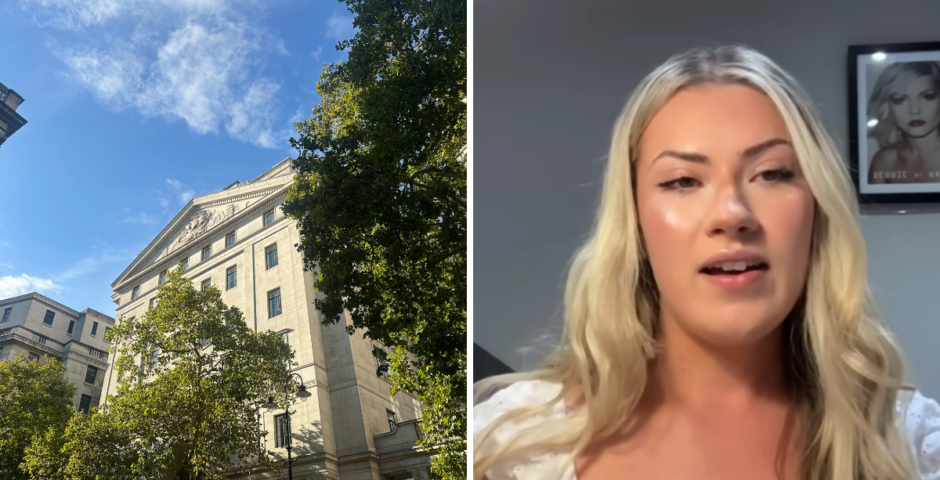
Freya India, a former politics student at King’s College London, has become an unlikely voice of Gen Z having no TikTok, Instagram or selfies on her phone.
Since quitting social media in 2021, the 26-year-old has built a global readership by arguing that the very platforms that raised her generation are fuelling its anxiety, identity crisis and disconnection from real life.
Growing up in Essex, Freya was handed an iPod touch aged 11, which was intended for music but loaded with social media apps.
In an interview with The Times, she explained: “My parents didn’t really know; they were just told it was another iPod. It’s hard to talk about without shaming a whole generation of parents, but they were thrown into it just as much as we were.”
What followed, she said, was a girlhood shaped by likes, rankings and self surveillance with sleepovers becoming content opportunities and worth being quantified in followers.
Now based in Washington DC, India recently published her book: Girls Gen Z and the Commodification of Everything.
In it, she argues that young women have been turned into brands by curating, marketing and optimising themselves for algorithms. Posting a selfie, she suggests, is not harmless fun, but self commodification.
Her central claim is that Gen Z girls did not grow up online, but instead they grew up on display.


While much debate around screen time has focused on boys and toxic masculinity, India believes girls have faced a quieter crisis due to endless comparison, hyper sexualised content, therapy speak diagnoses and targeted advertising.
She explained the effect this has had on her: “It was the only world I’d experienced, but when I was writing these memories down, it felt so dystopian,” India says.
However, logging off and deleting social media changed everything for her. Freya explained that: “When older women tell me their experiences of [growing up], I feel like I missed something more wholesome.”
But refusing to document her life gave her what she calls real confidence, the kind that is not dependent on instant feedback.
Alongside limiting screen-time, India credits Christianity and traditional community structures with grounding her. In a generation often described as the least religious yet, she believes faith offers something algorithms cannot adding that: “What appealed to me [about religion] was something otherworldly that takes you out of your own head.”
Her views are also sceptical of liberal parenting, critical of hook-up culture and wary of over-medicating anxiety which have received both praise and controversy. Unlike many online commentators, India keeps her own private life offline, including her relationship.
For a generation fluent in filters and feeds, her advice is simple: Log off, look up and reclaim a self that is not for sale.
For more of the latest news, guides, gossip, and memes, follow The King’s Tab on Instagram, TikTok, and Facebook.
Featured image via YouTube


Latest

Lizzie Borden never married, despite speculation about her relationship with Nance O’Neil

Netflix explored her relationships with women



As Christa Pike’s execution fails, her accomplice boyfriend is living a totally different life

He gave an interview from prison in 2026

Christa Pike is one of eight people in US history to survive execution by lethal injection

She is being treated in hospital

When will Georgia Toffolo realise no matter how many times she pretends to be relatable… she’s not?

She’s posted yet another video about money

Meet Moyin Odeniran, the KCL student taking part in this year’s Great British Bake Off

Turns out all those hours in the library were worth it
Witnesses describe Christa Pike’s failed execution after she survives two rounds of lethal injection
‘I’ve witnessed, I believe, five executions in Tennessee. Nothing about today was normal’
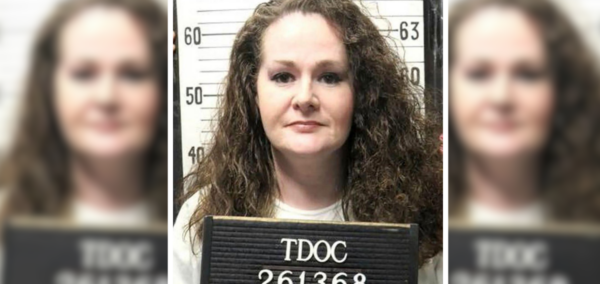
A timeline of how Christa Pike’s failed lethal injection attempt unfolded, and where we are now
A lot has happened since 10am yesterday

How to add any physical loyalty card to your Apple Wallet with genius new iOS 27 feature
Finally something that’s actually useful
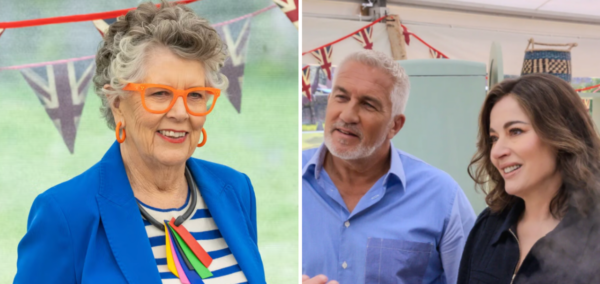
Prue Leith admitted being 86 was one reason she decided to leave The Great British Bake Off
She has been replaced with Nigella
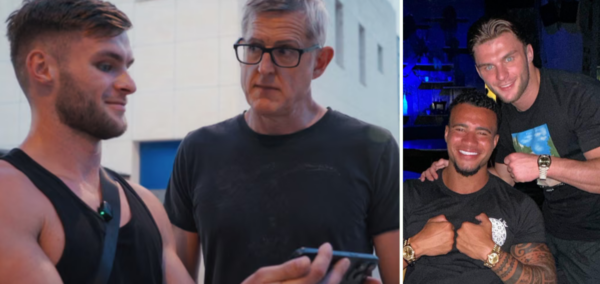
Louis Theroux subject fined after cornering shop worker with comments about his ‘English wood’
She felt ‘trapped’ as five men surrounded her

11 UK universities rank among the top 100 in the world – but not Durham

The University of Oxford is still first in the world

Christa Pike’s failed execution is Tennessee’s second this year, after Tony Carruthers
He has been granted a one-year delay

Pete Davidson shares his opinion on the constant body image scrutiny ex Ariana Grande gets
‘I don’t like it at all’
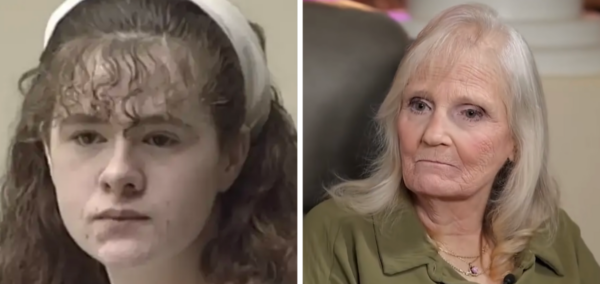
‘She didn’t die’: Mum of Christa Pike’s victim speaks out after two failed lethal injections
She said Christa showed no remorse

Christa Pike’s lawyers share statement addressing why death row inmate’s execution failed
A comprehensive review will ‘determine exactly what occurred’
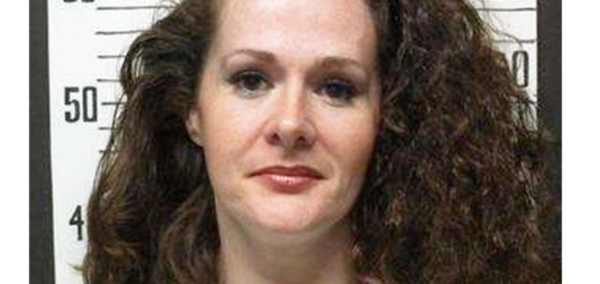
‘My arm is about to bust’: What death row inmate Christa Pike said during failed lethal injection
She is now in hospital being provided life-saving measures
Freshers, here are seven things you absolutely don’t need to worry about yet

Have a break, have a chill pill.

Eight damning pieces of evidence that suggest Lizzie Borden was guilty, despite her acquittal
Some things don’t add up

Monster: The Lizzie Borden Story star breaks down Bridget’s hidden motivations
‘She’s a woman who is struggling and surviving’