

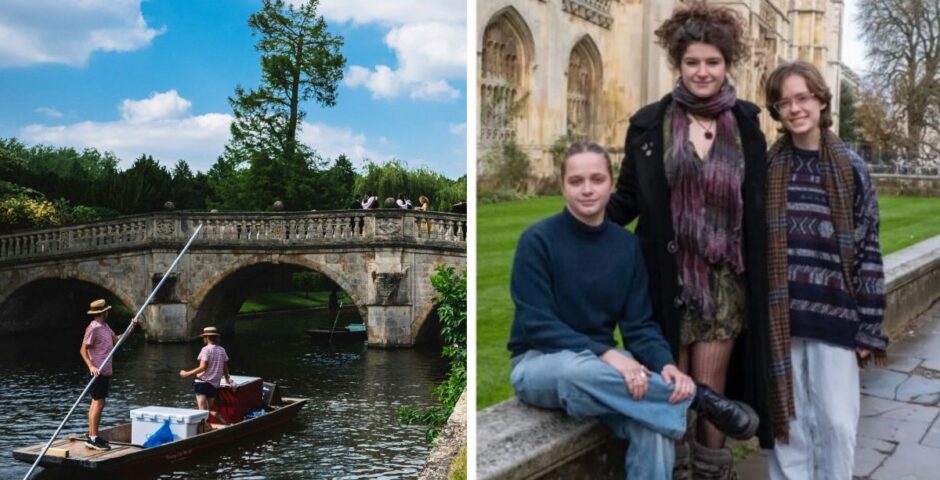
Thea Sewell: ‘I was ostracised for my views on the sex-gender debate at Cambridge University’
Thea is the founder of a controversial Cambridge University society that defines gender in terms of ‘biological sex’

The founder of Cambridge University’s controversial women’s society claimed she was “systematically ostracised” by her peers as a result of her views on the “sex-gender” debate.
Writing for The Telegraph, Thea Sewell explained how her stance “that biological sex and women’s rights must trump gender identity” resulted in people, who she had previously viewed friends, being unwilling to speak to her.
Before arriving at Cambridge, Thea was under the impression the university was “a place where everything was up for discussion”. However, after she raised ideas she had taken from Helen Joyce’s book “Trans: When Ideology Meets Reality” and Kathleen Stock’s “Material Girls”, Thea recalled being told: “Buying books written by bigots was morally equivalent to being one.”
View this post on Instagram
It wasn’t long until Thea was experiencing what she deemed to be “social exclusion”. Speaking on what “unsettled” her the most, she said: “Friends told me they still cared about me but could no longer be seen with me in public: The optics were wrong, the risk too great.”
Thea explained: “Many told me they could no longer speak to me because of my views. I was branded a Terf (trans-exclusionary radical feminist) and the word was scratched into the board on my door.”
However, Thea did end up finding a like-minded person at Cambridge University. She recalled meeting two women at a Helen Joyce talk, who then visited her college and offered companionship.
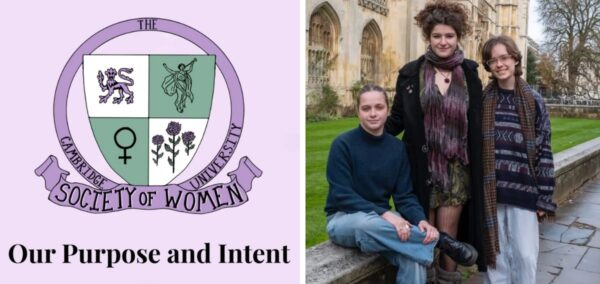
Alongside fellow students Maeve Halligan and Serena Worley, Thea founded Cambridge University Society of Women, a group that defines gender “in terms of biological sex”.
The society has since been branded “transphobic”, with Thea noting incidents of the group members being shouted at in the street or photographed without permission.
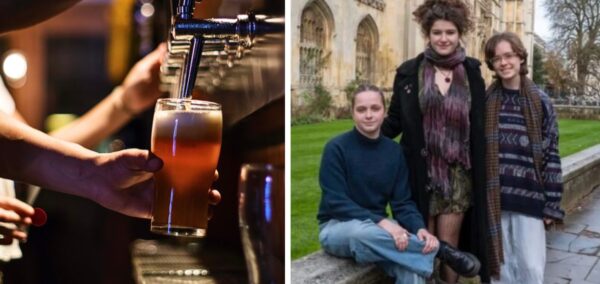
Recently, Thea reported an incident where she was refused service at a London pub due to her “gender-critical” views. The pub has since apologised and admitted Thea “should not have been barred on the grounds of her views”.
View this post on Instagram

In December last year, Cambridge University’s Students’ Union (SU) reluctantly approved the Society of Women, claiming it was legally obliged to do so despite believing the group “contradicts” its ethos.
As part of a statement, Cambridge SU Student Community and Societies sabbatical officer, Olivia Ledger, said: “We value, support and celebrate trans-inclusivity” but explained it is the SU’s “role and legal responsibility […] to register all eligible societies – even if they contradict [our] ethos”.
President of CUSW, Maeve, previously told The Cambridge Tab her thoughts on the approval: “We are very pleased that the SU registered us at the conclusion of what was a very busy term for us. They unfortunately felt it necessary to upload articles to their website providing explanations for why they did so.
“The SU purports to represent all students, but this unusual treatment of an openly and proudly women-only society, that they perceive as challenging to their ‘ethos’, raises questions about how they can truly claim to do so”.
The Cambridge University Society of Women’s emergence also influenced a statement from Gender Agenda, Cambridge’s Feminist Collective, which said: “Trans women are women” and that “feminism without intersectionality is not effective, considerate, or productive”.
Speaking on behalf of Cambridge University Society of Women, Maeve said: “CUSW is an openly and proudly single-sex society for women studying at Cambridge. The backlash we have faced and the SU’s abnormal treatment of our society only emphasise the necessity of our existence: when a women-only space is met with hostility simply for being single-sex, that space becomes more necessary than ever. Women’s right to single-sex association is clearly under attack.
“We champion freedom of speech and have built a space where it thrives. Calls for us to be banned or left un-registered are, in effect, calls to curtail our rights to free speech and association. We do not call for other societies to be banned, as we believe that universities should be places where differing viewpoints coexist and are debated civilly.
“CUSW has stress-tested a growing problem across UK universities: A system of suppressing those who question supposedly dominant beliefs or offer alternative views, across issues beyond only gender and women’s rights. Deplatforming and cancellation harm the entire university community. Disagreement is essential to learning – censorship is not.”
Cambridge University and Cambridge SU have been contacted for comment.
Featured image via Unsplash and Instagram @cusocietyofwomen
Latest
There are co-star dating rumours about A Different World’s fittest star, Cornell Young IV

There’s gonna be about a million disappointed people
Hannah Fry revealed her plan to stay ‘mischievous’ during Celebrity Traitors season two

‘I’m toxically competitive’
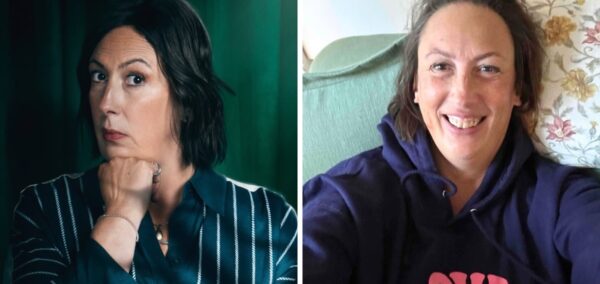
Where Miranda Hart has been as she returns to TV on Traitors, from health issues to new husband

It’s such fun to have her back on our screens

Where the brainy Celebrity Traitors cast went to university, plus what they studied

Of course loads went to Russell Group universities
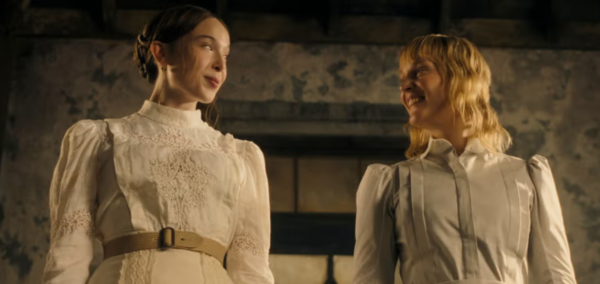
Lizzie Borden never married, despite speculation about her relationship with Nance O’Neil
Netflix explored her relationships with women


As Christa Pike’s execution fails, her accomplice boyfriend is living a totally different life
He gave an interview from prison in 2026

Christa Pike is one of eight people in US history to survive execution by lethal injection
She is being treated in hospital

When will Georgia Toffolo realise no matter how many times she pretends to be relatable… she’s not?

She’s posted yet another video about money

Meet Moyin Odeniran, the KCL student taking part in this year’s Great British Bake Off

Turns out all those hours in the library were worth it
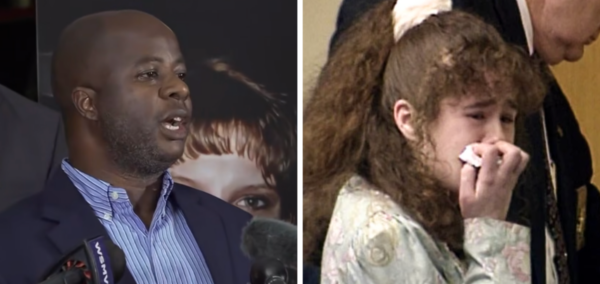
Witnesses describe Christa Pike’s failed execution after she survives two rounds of lethal injection
‘I’ve witnessed, I believe, five executions in Tennessee. Nothing about today was normal’
A timeline of how Christa Pike’s failed lethal injection attempt unfolded, and where we are now
A lot has happened since 10am yesterday

How to add any physical loyalty card to your Apple Wallet with genius new iOS 27 feature
Finally something that’s actually useful
Prue Leith admitted being 86 was one reason she decided to leave The Great British Bake Off
She has been replaced with Nigella
Louis Theroux subject fined after cornering shop worker with comments about his ‘English wood’
She felt ‘trapped’ as five men surrounded her
11 UK universities rank among the top 100 in the world – but not Durham
The University of Oxford is still first in the world

Christa Pike’s failed execution is Tennessee’s second this year, after Tony Carruthers
He has been granted a one-year delay

Pete Davidson shares his opinion on the constant body image scrutiny ex Ariana Grande gets
‘I don’t like it at all’
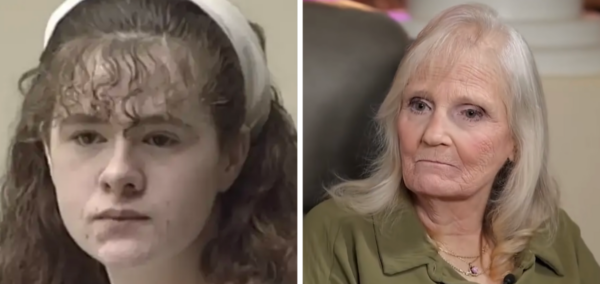
‘She didn’t die’: Mum of Christa Pike’s victim speaks out after two failed lethal injections
She said Christa showed no remorse
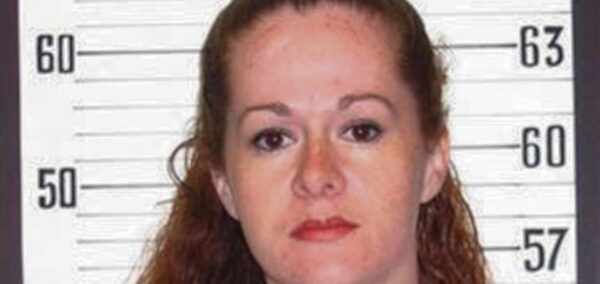
Christa Pike’s lawyers share statement addressing why death row inmate’s execution failed
A comprehensive review will ‘determine exactly what occurred’