

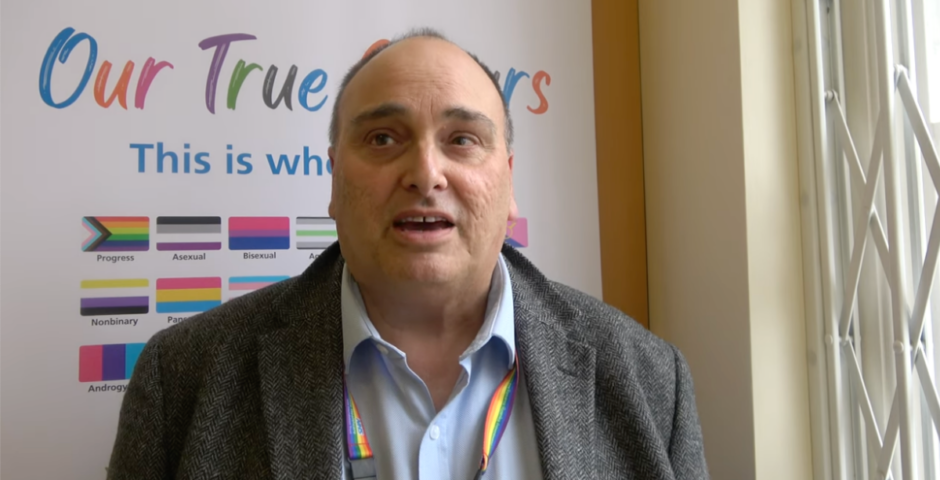
Head of NHS trust set to retire amid criticism over Nottingham attacks inquiry
Ifti Majid headed the trust that treated the killer responsible for the Nottingham attacks

The head of the Nottinghamshire Healthcare NHS trust is set to retire amid criticism over the Nottingham attacks inquiry, which begins next year.
Ifti Majid has been in charge of the trust since 2022, but it has come under increasing scrutiny after Valdo Calocane fatally stabbed three people whilst he was under its care.
The trust was treating Calocane when he killed Barnaby Webber, Grace O’Malley Kumar, and Ian Coates in June 2023, and has been criticised by the victims’ families and its regulators, ITV reports.
Ifti has served 42 years in the NHS and originally planned to retire on his 60th birthday in October, but will instead be leaving the trust in June 2026 to see the organisation through the inquiry.
Previously, Ifti was the chief executive of Derbyshire Healthcare NHS Foundation Trust, and has been praised by Nottinghamshire Healthcare’s chair, Paul Devin, for his work.
Paul said: “I want to thank Ifti for his long career in the provision of mental health, learning disability and autism services. In every role he has held, including most recently as Chief Executive of two Trusts, he has been driven by a focus on delivering the very best for people in need. His compassion continues to be inspiring every single day and is a welcome “north star” in our highly pressured NHS”.
Ifti said: “Barely a day goes by in this NHS Trust without me hearing of some innovation, act of compassion or extra effort that has made a real difference to somebody’s life. That is what gives me hope for the future of our services and our Trust.
“The efforts of our staff and volunteers, on behalf of our patients and service users, are truly magnificent. It has been a privilege to work with them, and I am in awe of their dedication and passion, often in very tough circumstances”.

Barnaby Webber, Ian Coates and Grace O’Malley Kumar were killed in June 2023
Three reports, including one in 2024 by the Care Quality Commission (CQC), revealed risk assessments for Calocane had been played down. This included the levels of risk surrounding his refusal to take medication and ongoing symptoms of psychosis.
These had been taken by the Ttust between May 2020 and February 2022 following each of his four admissions to hospital under the Mental Health Act.
After leaving hospital nearly a month after his fourth admission, healthcare providers were instructed not to make home visits due to Calocane’s violent history.
He went on to miss several medication collection appointments and was discharged in September 2022 from the EIP service to his GP. This decision was taken after multiple attempts to contact Calocane over several months.
The 2024 report put this down to “multiple factors, including workload”. It concluded that such factors meant “the discharge system did not function as intended.”
Victims’ families condemned the report, saying it demonstrated “gross, systematic failures in the mental health trust”.
In January 2024 more than 30 staff members across the Trust were suspended and investigated for serious misconduct.
This judge-led statutory inquiry taking place next year will analyse the Trust’s involvement in Calocane’s care from May 2020 to September 2022, the period facing criticism.
Tom Cahill CBE, the trust chair designate, said: “Over the course of his career, Ifti has made a significant contribution in the field of mental health. I am sorry to see him leave the trust, but I look forward to working with him for a few months when I take up the post of chair in January.
“His decision to stay on will help us ensure a smooth transition while the trust seeks to recruit and appoint his successor”.
Featured image via YouTube


Latest
First week back at uni? Here’s everything you need to pack in your bag

Mary Poppins is quaking in her boots…
London university releases statement after professor sentenced for a child sexual offence

Barry Langford was a Professor of Film Studies at Royal Holloway


Young father-of-two died on day he was due to start at University of Glasgow

Young father tragically passes away at 24 years old after suffering a brain aneurysm
Bella Ramsey’s specific acting career gives them ‘an edge’ on Celebrity Traitors (they hope)
Their past roles have prepped them for Missions

12 of The Celebrity Traitors season two cast asked to be Traitors, and six to be Faithfuls
Three celebs couldn’t make up their minds
Maya Jama’s game plan for Celebrity Traitors is to avoid trying ‘too hard’ or ‘overthinking’
This is really devious tbh

Newcastle University buildings evacuated after ‘suspicious item’ found on campus

Police, fire crews, and fire engines arrived at the scene
12 things every Fresher gets wrong in their first few weeks at uni

From wearing your lanyard everywhere to leaving your washing-up until it grows its own ecosystem
Our Celebrity Traitors predictions include Maya Jama turning on her fellow Traitors

Here’s what we think will happen
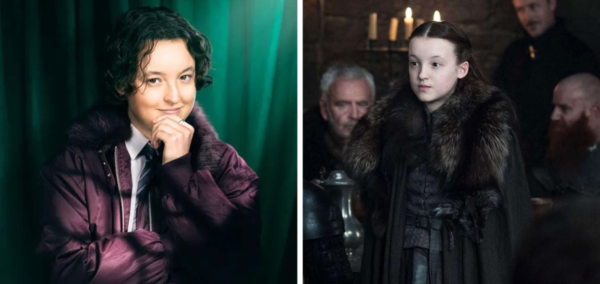
I’ve just realised that three cast members from Celebrity Traitors were in Game of Thrones

Having flashbacks to Bella Ramsey being crushed by a giant


23 to 70: The ages of the Celebrity Traitors 2026 cast, from youngest to oldest

There’s a huge age range this year
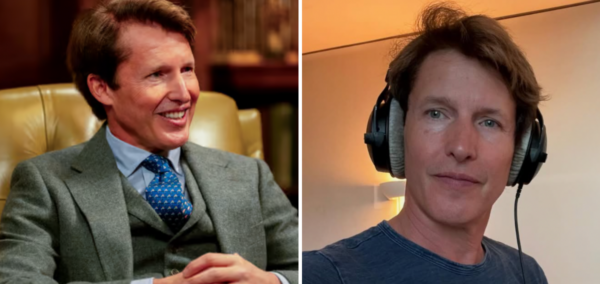
James Blunt was a British Army captain before becoming a singer and joining Celebrity Traitors
He mentioned it on the show
Monster director finally admits why they forced Aileen Wuornos in a show about Lizzie Borden
Despite the name, Lizzie Borden is not the focus of the story
Shows and films you can watch about Aileen Wuornos, where she isn’t thrown into another story

Others tell her entire case, unlike Monster on Netflix
This viral tool lets you customise your Apple Pay cards, and here’s how to do it
You can personalise the entire design

James Acaster could be the Celebrity Traitors’ recruit, as filming reportedly paused for him
It’s not much of a cliffhanger

The ridiculous fortunes of The Celebrity Traitors: Their net worths, from £500K to £50 million
One of them could legit buy the castle three times over