It’s confusing, so here’s what the cryptic titles at the start of each Vladimir episode mean
The meanings behind the titles get pretty deep
The new Netflix show Vladimir features Leo Woodall, Rachel Weisz, and loads of literary references. Not only is Vladimir based on a book, but each episode is a reference to a different book. Thankfully, the author of the book and creator of the Netflix show, Julia May Jonas, has spelled out precisely which books each episode of Vladimir is named after. Her reasoning is pretty deep.
Episode one: We have always lived in the castle
The names of each episode don’t just come from any old book the Netflix producers thought sounded deep. Julia May Jonas explained to Tudum: “They’re all titles of women in American fiction… what I thought were entries that the protagonist might’ve put on her syllabus.”
The first episode is named for Shirley Jackson’s 1962 horror novel. The book is about a family which falls apart, and loses their power. This is a similar theme to the beginning of the show.
Episode two: The Awakening
This 1899 book by Kate Chopin follows a woman who gets fed up with her boring marriage, and attempts to be freer. It was really scandalous when it was published, but it’s now a staple of feminist literature courses.
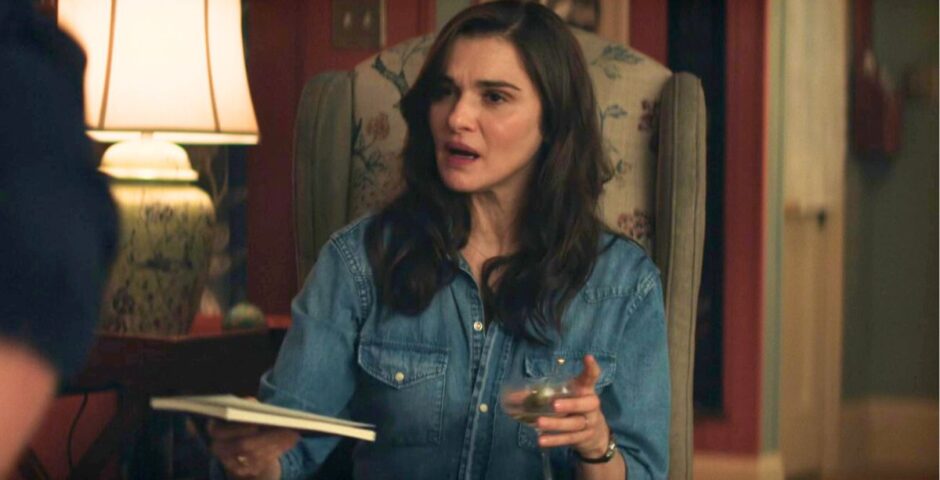
The main character of Vladimir has her own sexual reawakening when Leo Woodall walks into her life.

The main character, awakening (both literally and metaphorically)
(Image via Netflix)
Episode three: Enormous Changes at the Last Minute
This is the name of a collection of short stories by Grace Paley, which followed different middle-aged women. The title of the episode is meant to refer to Vladimir turning up at the main character’s house instead of Cynthia.
Episode four: Bad Behaviour
Bad Behaviour (or ‘Behavior’, if you’re American) is a collection of short stories by Mary Gaitskill from 1988. The nine short stories cover taboo topics about sex, relationships and addiction.


Episode five: Play It as It Lays
This is a famous (and not very cheerful) novel about a woman in Hollywood, and her turn towards nihilism. Joan Didion published it in 1970. According to Tudum, the name was chosen for this episode because they both contain lots of dramatic irony.
Episode six: Because It Is Bitter, and Because It Is My Heart

See, binging Netflix is educational
(Image via Netflix)
The episode is named after a 1990 book by Joyce Carol Oates, which was in turn named after a line from a 1895 poem called In The Desert by Stephan Crane.
Episode seven: Everything that Rises Must Converge
This title refers to the build-up before the main character has lunch with Vladimir. The name comes from a collection of gothic short stories by Flannery O’Connor.
Episode eight: Against Interpretation
Of all the books referenced in the titles of the Vladimir episodes on Netflix, this is the only non-fiction one. Susan Sontag’s 1966 book delves into how people think about art. Julia May Jonas thought it was “fun” to end the show with the message: “Don’t think about what it means, just how does it make you feel?”
Er, is that a warning against spending hours deep-diving into theories and Easter eggs on Reddit?
For all the latest Netflix news and drops, like The Holy Church of Netflix on Facebook.
Latest

Bonnie Blue’s video birthday messages to ‘big boy’ 16-year-olds are the final nail in the coffin

‘Maybe one day, me, you, and your dad can take a trip’
It’s been a whole 10 years since This Is Us started, so here’s where the cast are now

Justin Hartley re-married in the same year he divorced Chrishell Stause
HYROX has actually just added new ‘faeces’ rule, so here’s what it means for athletes

Joanna Wietrzyk should consider herself lucky
Calling all aspiring journalists and content creators: Join The London Tab!

Come to our open meeting on Tuesday 29th September, 7pm at the Institute Bar

Billionaire who paid actress $4.5million to marry him wants cash back after she sacked him off
The crypto tycoon paid a ‘bride fee’
I’m a first-class Leeds grad, but it took me two years and 120 applications to find a job

Maddy was once told she wasn’t offered an interview because her application was ‘too far down the pile’
Kelly Osbourne reveals the moving thing father Ozzy told her three days before he died
He wanted her to know this

Lancaster University student wins national award for flooding research project
According to research, the flood risk in Grasmere may be substantially greater than anticipated
Angry HYROX athlete details silly reason he was disqualified after pooing woman wins
He finished the whole race, but was slapped with the disqualification after
All the celebrities publicly calling out Ed Sheeran after Macklemore is dropped from tour
Loads of actors and musicians are speaking out against him
Ed Sheeran branded ‘coward’ as treasure trove of receipts resurfaces after response to Macklemore
Mr ‘I’m not political’ turns out to be very political
HBO casts three more actors in the Harry Potter TV show – here’s what they had to say about it

Moaning Myrtle’s actor understands ‘the significance and responsibilities’
People are just finding out what HYROX really stands for and the backstory is giving them the ick
I don’t know what’s worse, the poop story or this
Love Island couple confirm split as she moves out of home they shared after the villa
This is all so quick!

‘Pull up!’: Video inside NBC helicopter captures final moments and last words of those killed
The helicopter was covering a bus accident when it went down on Tuesday
This Love Island 2026 couple are finally official and the other Islanders are freaking out
Their reactions are brilliant
All three opening acts and Ed Sheeran’s own band quit tour after Macklemore was dropped
‘Artists must not be silenced’

Macklemore’s full ‘Free Palestine’ speech that got him removed from Ed Sheeran’s tour
It was on 4th September
Exclusive: Nee Naw! TikTok icon Nicole Mura is hosting Cardiff Freshers’ Week at Circuit

Hold onto your husbands x