
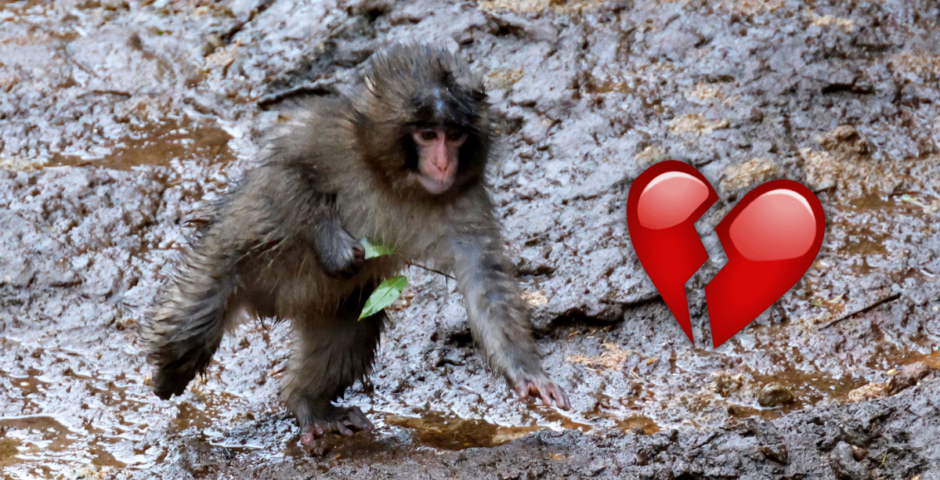
Expert reveals what abandoned monkey Punch is really feeling, and I’m actually heartbroken
Can I take him home?!
The tiny monkey known as Punch has melted all our hearts after being spotted curled around a stuffed orangutan, but is the viral baby actually capable of feeling sadness after being rejected by his mum? An animal expert has revealed his emotions.
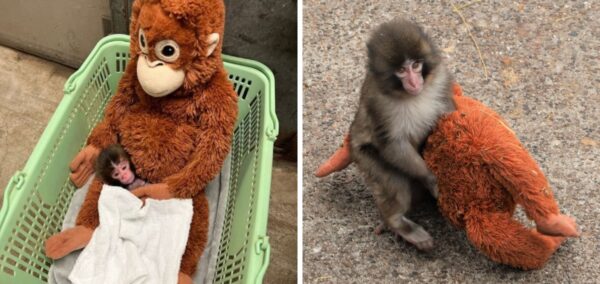
Punch’s story first drew attention when keepers at Ichikawa City Zoo revealed he’d been abandoned shortly after birth. The young macaque also struggled to integrate with other monkeys in his group, leaving him without playmates.

FRANCK ROBICHON/EPA/Shutterstock
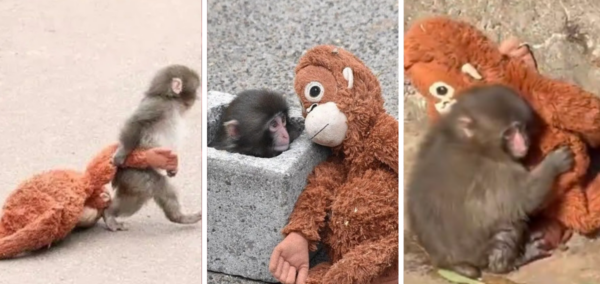
To give him comfort, staff offered a plush toy. Punch has since been seen dragging the soft orangutan around his enclosure, a sight that’s devastated animal lovers worldwide.
If Punch were human, most people would assume he felt lonely or rejected. But according to primate cognition specialist Dr Emily Bethell from Liverpool John Moores University, the emotional reality is more nuanced, though still pretty heartbreaking.
Speaking to UNILAD, she explained that emotions exist across the animal kingdom:
“Emotions are survival mechanisms, they are the body’s way of surviving by seeking out things associated with positive emotions and avoiding things that are associated with negative emotions.”
For infant primates, maternal contact is one of those positive experiences. Losing it can therefore carry emotional weight.
“Abandonment will, at some level, feel negative,” Dr. Bethell said.
Punch is really so cute… He was abandoned by his mother, so he was raised by humans.
But when he was brought to the zoo, he couldn’t integrate into the monkey troop’s society and could only cling to the plush toy/doll that the zookeeper gave him. pic.twitter.com/qfxOmAkbOx— Wholesome Side of 𝕏 (@itsme_urstruly) February 15, 2026

So yes, Punch is likely experiencing something unpleasant. But how he interprets that experience internally is impossible to pin down. The expert stressed that while negative feelings are probable, “we cannot say to what extent Punch understands this”.
As for why his mother rejected him in the first place, abandonment isn’t typical in macaques, but it does occur. Research shows inexperienced mothers are statistically more likely to abandon their first offspring, and maternal behaviour also varies between individuals. Early-life trauma can play a role too.
There may still be hope for Punch’s social future. The zoo has reportedly created retreat spaces so he can avoid aggression from other monkeys while he grows and gains confidence. As macaques mature, relationships usually become more important than the mother–infant bond.
“By 6 months old macaques will be spending more time away from the mother and playing with other youngsters. It is also common for youngsters to be handled by unrelated adults, including males. Hopefully as Punch gets older he will have more opportunities for positive social interactions with his group mates.”
For now, the sight of the baby monkey clinging to his toy still hurts.
For more like this, like The Tab on Facebook.
Featured image credit: FRANCK ROBICHON/EPA/Shutterstock
Latest
The reason Netflix’s Lizzie Borden series has jarring modern music, according to the showrunner

Not a single song is from the 1800s
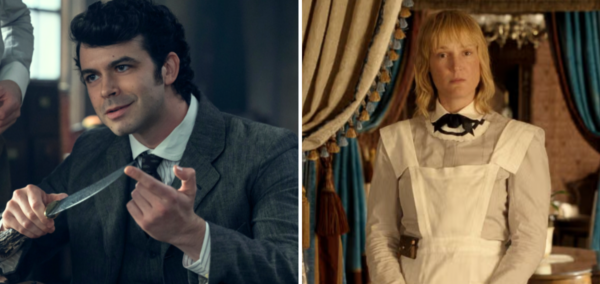
Lizzie Borden was acquitted, so who do people think actually killed her parents?

There are many other suspects

95 per cent oppose Turnitin plans to train AI on student work, poll by The Lancaster Tab finds

Of over 700 respondents, almost all decided they would not be happy to have their assignments train AI tools

Why Joey Essex has called off a romance with Priya after Love Island 2026

Yes, there really was something going on between them

Are you a fresher? Here’s my advice as a recently graduated student
What I wish I knew when I started
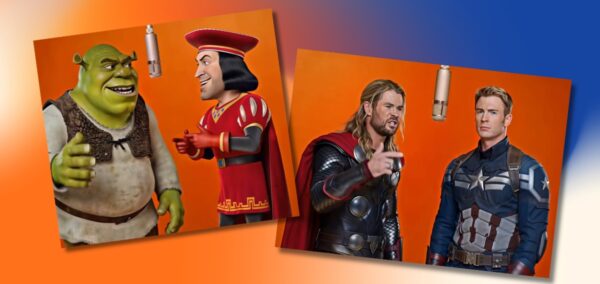
How to do the Hotel Lobby AI trend from TikTok that puts people into Quavo and Takeoff video

It’s gone viral this week
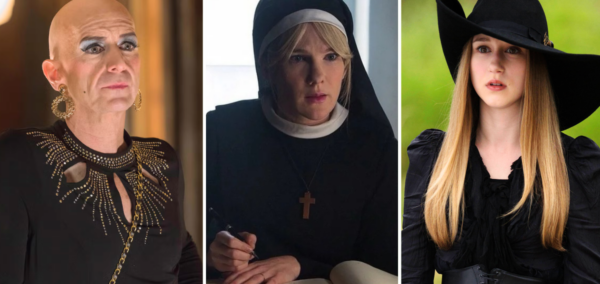
The iconic stars we won’t see in American Horror Story 13, and the ‘absurd’ reason for the snub
I’m going to write a very angry letter to Ryan Murphy

Ed Sheeran’s cousin shares his theory on Macklemore’s exit, as rapper announces new tour
‘I’ve witnessed him being a coward’

The actress who plays Lizzie Borden has shared her take on if she was guilty or not
It’s the big question
Ed Sheeran’s tour survived the Macklemore row, but now two shows have been cancelled
The stage was almost built

Raves, trips and becoming a godfather: Lorenzo Alessi on his single era after Love Island
He’s living his best life
How Aileen Wuornos spent her last day on death row, and how Monster changed it
She didn’t actually have a last meal

Welcome to Durham: Everything you need to know about starting out

The best ways to start your first term at Durham
Aileen Wuornos’ death row letters, from sharing a keg with Jesus to calling her girlfriend ‘ugly’
There are hundreds of letters over a 10 year period
Timeline of real-life Lizzie Borden photos shows what she looked like over the years
Monster doesn’t get her quite right

Age differences between The Lizzie Borden Story cast and the real people make it inaccurate
Andrew and Abby were so much older when they died
Monster gave Lizzie Borden and Bridget a happy ending, but did it actually happen?
The creators have explained their decision

In her own words: Aileen Wuornos’ girlfriend on why she didn’t go to police sooner
Aileen came home and told her what she’d done

Explained: This is what the chino-chanting video actually was

Take your guesses: Which intramural team do you think this will be about?