

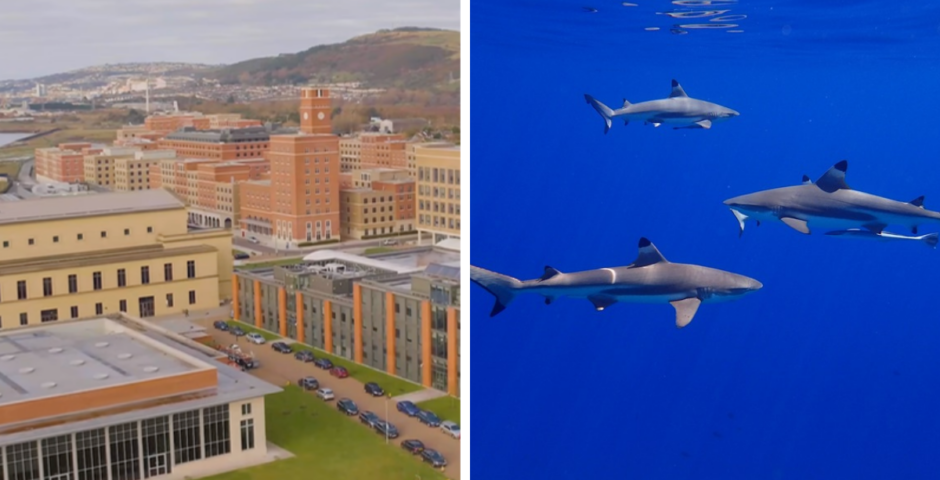
Swansea University study used AI to uncover the effect of prehistoric asteroid on sharks and rays
Could AI be used for further research about humans?

A new Swansea University study has used advanced artificial intelligence to discover the asteroid strike that wiped out the dinosaurs 66 million years ago has had a minimal decline in species of sharks and rays.
The research, carried out by Swansea University, traced the diversity of shark and ray species over 145 million years, creating the most detailed long-term picture of their evolutionary history to date.
Lead author, Dr Catalina Pimiento, said: “Today’s sharks and rays are the survivors of a long history of change, including extinction events that have only become visible in the fossil record.
The study revealed that “for the past 40 to 50 million years, their diversity has been trending downwards.”
Dr Pimiento, of Swansea University’s Department of Biosciences and the University of Zurich’s Department of Palaeontology, explained that the long-term decline of sharks and rays matters today as it suggests that they are starting from a reduced baseline.
“They’re not just facing human pressures such as overfishing and climate change as a healthy, thriving group – they have already lost a lot of evolutionary potential over tens and millions of years”, he said.

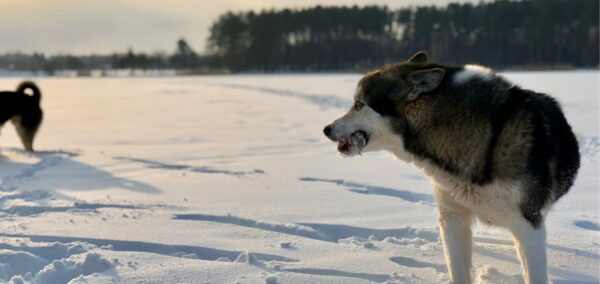
Via Unsplash
Key findings of the research:
- The number of species of shark and ray’s that are comparable to modern levels was reached over 100 million years ago during the Cretaceous period.
- There was only a 10 per cent decline in shark and ray species from the asteroid impact, which is a staggering contrast when compared to the mass extinction of non-avian dinosaurs and marine predators.
- Since their peak, 50 million years ago in the mid-Eocene period, sharks and rays have lost over 40 per cent of their species.
These findings and patterns were only clearly discovered with the use of advanced AI methods, and was able to explicitly account for spatial and temporal biases found in the fossil record.

“We built a new, carefully curated dataset of fossil shark and ray occurrences”, Dr Catalina Pimiento said.
Catalina explained that their research “involved reviewing hundreds of studies, extracting data, checking it and resolving inconsistencies, resulting in a global synthesis of fossil occurrences spanning the past 145 million years.”
Dr Daniele Silvestro, study co-led author of ETH Zurich, said: “We then applied a new AI method that is far better at recognising and correcting the uneven and incomplete nature of the fossil record.
“Previous approaches could account for general differences in sampling, but not for the fact that fossils are unevenly collected across geographic regions or species.
“Our model can learn these patterns – for example, recognising when fewer fossils in a particular region can reflect limited sampling rather than real biological decline”
So, are we witnessing the positive progression of AI in research? And what could this mean for the future of research in academic contexts?
The full study can be found here.
For more of the latest news, guides, gossip and memes, follow The Cardiff Tab on Instagram, TikTok, and Facebook.
Featured image Swansea University via YouTube and Unsplash.

Latest

London university releases statement after professor sentenced for a child sexual offence

Barry Langford was a Professor of Film Studies at Royal Holloway


Young father-of-two died on day he was due to start at University of Glasgow

Young father tragically passes away at 24 years old after suffering a brain aneurysm
Bella Ramsey’s specific acting career gives them ‘an edge’ on Celebrity Traitors (they hope)
Their past roles have prepped them for Missions
12 of The Celebrity Traitors season two cast asked to be Traitors, and six to be Faithfuls
Three celebs couldn’t make up their minds
Maya Jama’s game plan for Celebrity Traitors is to avoid trying ‘too hard’ or ‘overthinking’
This is really devious tbh

Newcastle University buildings evacuated after ‘suspicious item’ found on campus

Police, fire crews, and fire engines arrived at the scene
12 things every Fresher gets wrong in their first few weeks at uni

From wearing your lanyard everywhere to accidentally leaving your washing-up until it grows its own ecosystem
Our Celebrity Traitors predictions include Maya Jama turning on her fellow Traitors

Here’s what we think will happen
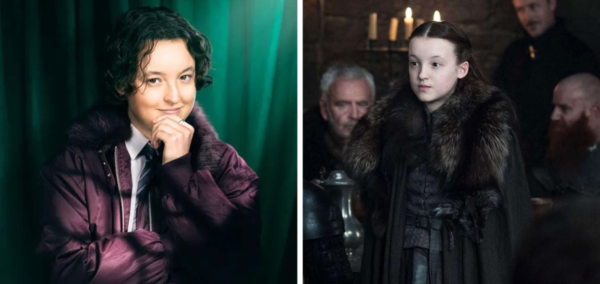
I’ve just realised that three cast members from Celebrity Traitors were in Game of Thrones

Having flashbacks to Bella Ramsey being crushed by a giant

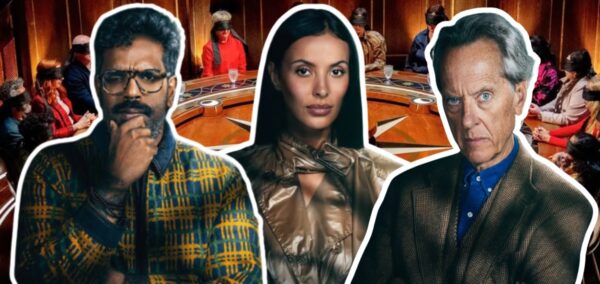
23 to 70: The ages of the Celebrity Traitors 2026 cast, from youngest to oldest

There’s a huge age range this year
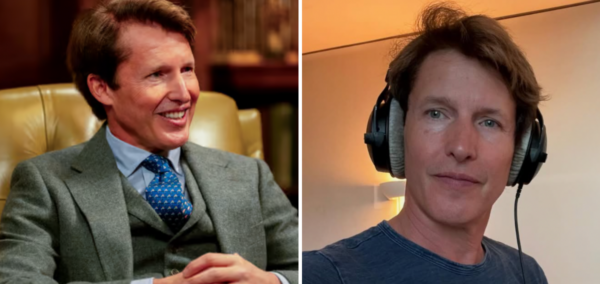
James Blunt was a British Army captain before becoming a singer and joining Celebrity Traitors
He mentioned it on the show
Monster director finally admits why they forced Aileen Wuornos in a show about Lizzie Borden
Despite the name, Lizzie Borden is not the focus of the story
Shows and films you can watch about Aileen Wuornos, where she isn’t thrown into another story

Others tell her entire case, unlike Monster on Netflix

This viral tool lets you customise your Apple Pay cards, and here’s how to do it
You can personalise the entire design
James Acaster could be the Celebrity Traitors’ recruit, as filming reportedly paused for him
It’s not much of a cliffhanger
The ridiculous fortunes of The Celebrity Traitors: Their net worths, from £500K to £50 million
One of them could legit buy the castle three times over
The Celebrity Traitors rules explained, as Richard E Grant immediately let slip he’s a Traitor
There’s actually a slightly confusing loophole