
Why Bristol’s protest culture is something to be proud of
If protesting really has ‘killed’ Bristol, it’s doing a remarkably bad job of it

Bristol has never been a quiet city. It’s a place where opinions spill into public space and where people are rarely content to sit back when something matters. Depending on which national headline you read, this might be framed as a problem, but most Bristolians would recognise it as exactly the point.

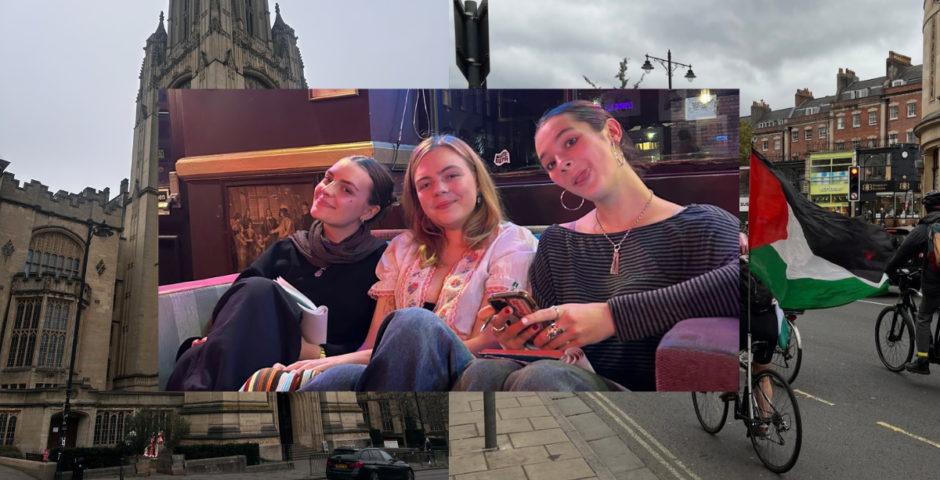
The city has a long history of dissent and community action. From the Bristol Bus Boycott in 1963, which helped challenge racial discrimination in public transport, to many of the student-led protests supporting Palestine over the past couple of years, Bristol’s public spaces have always been areas for people to debate and demand better. Protesting here isn’t some new trend or sudden disruption; it’s part of the city’s civic muscle memory. It’s how people engage with the world from beyond their front door.

To protest is to participate. Whether the issue is international conflict, climate justice, housing or racial equality, people in Bristol show up because they believe caring should be visible. That care is often dismissed with labels like “woke”, as if compassion or political engagement were embarrassing traits rather than cornerstones of a functioning democracy. But caring loudly has never been something the city has shied away from.

What’s often missed in outsider portrayals is how deeply Bristol’s protest culture is tied to its creativity. This is a city where marches come with homemade banners, where political expression blends with art, music and humour. This is the same spirit that fills our streets with politically-charged murals and our venues with experimental sound. Expression, after all, is one of Bristol’s defining features.

Just as importantly, Bristol’s openness extends beyond protest. As a City of Sanctuary, a status that signifies it has spent years building networks that support refugees, migrants and newcomers, driven largely by grassroots efforts rather than advertising slogans. Welcoming people in isn’t a trend here; it’s a value that’s been practised quietly and consistently, long before it ever made headlines.
None of this is to pretend Bristol is perfect. Like any city, it continues to wrestle with inequality, rising living costs and tensions with its colonial past. But the willingness to confront those problems publicly and habitually (to argue and demand better) is not a sign of decay. This is a sign of a city that refuses apathy.

If that makes Bristol “woke”, then the word has lost any meaning worth worrying about. Let’s reject this shorthand when it’s used to dismiss people’s sincere concerns. What it really describes is a place where people believe their voices matter, where disagreement is visible. Here, caring about others is still considered normal.
Bristol isn’t falling apart because people protest; it’s still standing because people do.

Latest
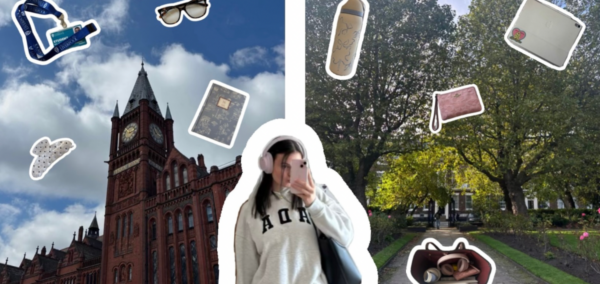
First week back at uni? Here’s everything you need to pack in your bag

Mary Poppins is quaking in her boots…
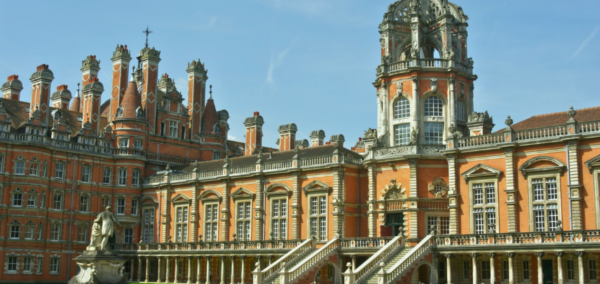
London university releases statement after professor sentenced for a child sexual offence

Barry Langford was a Professor of Film Studies at Royal Holloway

Young father-of-two died on day he was due to start at University of Glasgow

Young father tragically passes away at 24 years old after suffering a brain aneurysm
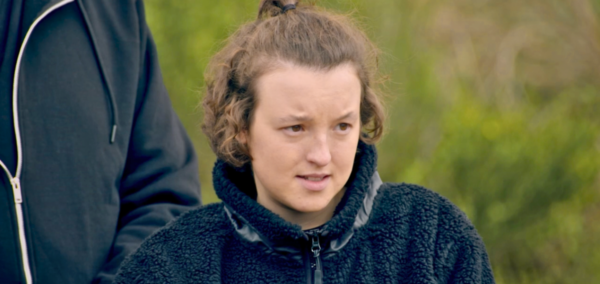
Bella Ramsey’s specific acting career gives them ‘an edge’ on Celebrity Traitors (they hope)
Their past roles have prepped them for Missions
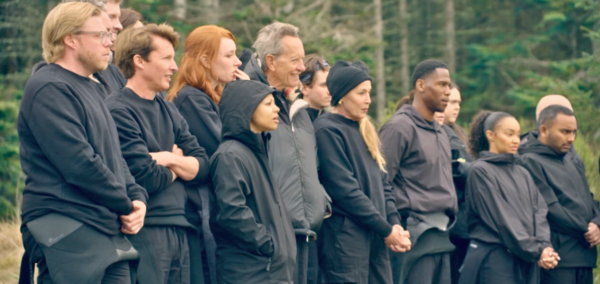
12 of The Celebrity Traitors season two cast asked to be Traitors, and six to be Faithfuls
Three celebs couldn’t make up their minds
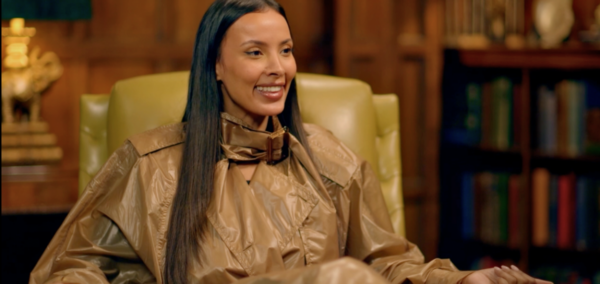
Maya Jama’s game plan for Celebrity Traitors is to avoid trying ‘too hard’ or ‘overthinking’
This is really devious tbh
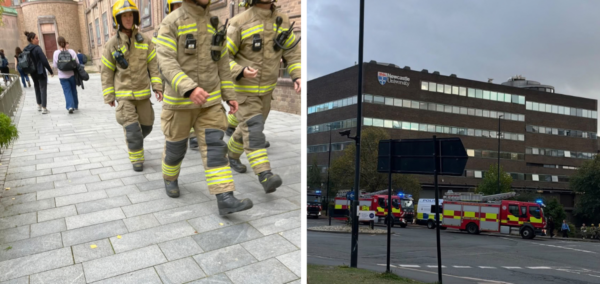
Newcastle University buildings evacuated after ‘suspicious item’ found on campus

Police, fire crews, and fire engines arrived at the scene
12 things every Fresher gets wrong in their first few weeks at uni

From wearing your lanyard everywhere to leaving your washing-up until it grows its own ecosystem
Our Celebrity Traitors predictions include Maya Jama turning on her fellow Traitors

Here’s what we think will happen
I’ve just realised that three cast members from Celebrity Traitors were in Game of Thrones

Having flashbacks to Bella Ramsey being crushed by a giant

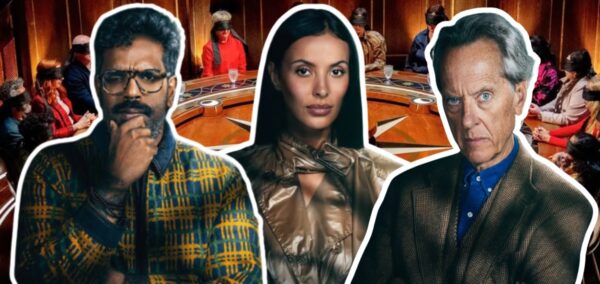
23 to 70: The ages of the Celebrity Traitors 2026 cast, from youngest to oldest

There’s a huge age range this year

James Blunt was a British Army captain before becoming a singer and joining Celebrity Traitors
He mentioned it on the show
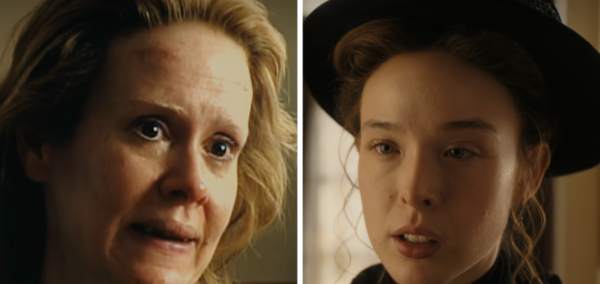
Monster director finally admits why they forced Aileen Wuornos in a show about Lizzie Borden
Despite the name, Lizzie Borden is not the focus of the story
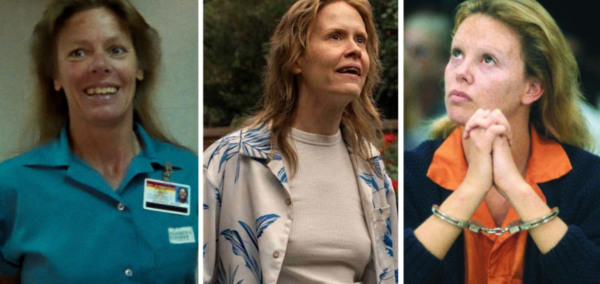
Shows and films you can watch about Aileen Wuornos, where she isn’t thrown into another story

Others tell her entire case, unlike Monster on Netflix
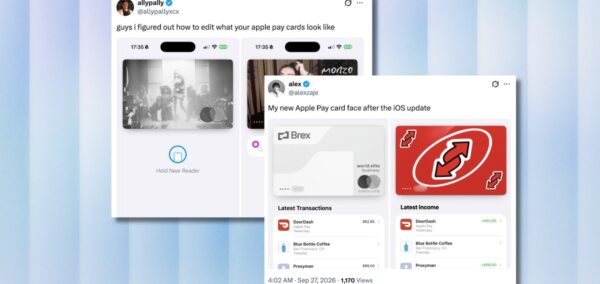
This viral tool lets you customise your Apple Pay cards, and here’s how to do it
You can personalise the entire design
James Acaster could be the Celebrity Traitors’ recruit, as filming reportedly paused for him
It’s not much of a cliffhanger

The ridiculous fortunes of The Celebrity Traitors: Their net worths, from £500K to £50 million
One of them could legit buy the castle three times over