

London universities warn new guidance will be a ‘safeguarding issue’ for trans scholars
‘People are going to get hurt’

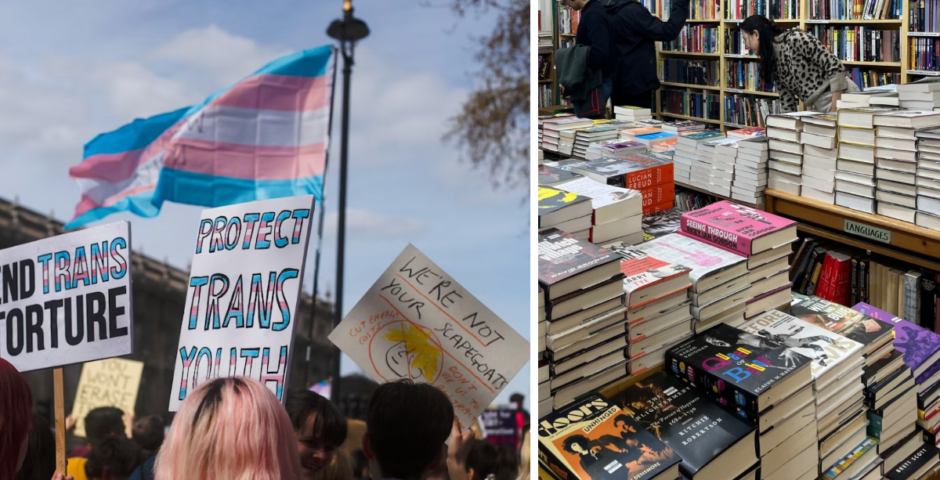
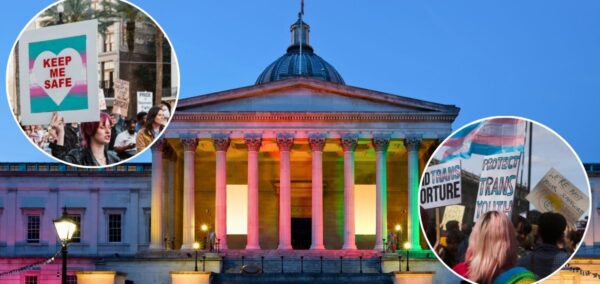
Following the Supreme Court’s ruling of the definition of sex in April, researchers have warned that academia is becoming an increasingly hostile field for transgender scholars.
With guidance from the Equality and Human Rights Commission (EHRC) under review, universities are concerned that modified guidance could contribute to a less inclusive environment for transgender staff members and students.
Guidance previously published by the EHRC in 2011 said that women and men should be treated based on the gender in which they present. The new ruling said trans people should be treated according to their sex assigned at birth. A new code of practice is underway to reflect the new ruling.
The anticipated guidance has led to anxiety. “To be a trans person in the UK right now is to be exhausted and terrified”, said Chris Parkes, a senior lecturer in history education at King’s College London, speaking to Times Higher Education.

via Pexels
A record fine imposed on the University of Sussex in March following a lecturer’s resignation has added to concerns. The report says the fine was issued because the Office for Students found that Sussex’s Trans and Non-Binary Equality Policy Statement “limited what staff could teach, and what staff and students could say”.
The university was fined £585,000, the largest fine ever issued by the Office for Students. Professor Roseneil, the vice-chancellor and president of the University of Sussex, said the findings were “egregious and concocted” and the fine “wholly disproportionate”.


‘’Universities are going to be afraid to be trans inclusive’’, said Kennedy, a lecturer in education at Goldsmiths.
The EHRC did release interim guidance nine days after the Supreme Court’s decision but this was withdrawn because of legal and political pushback. The interim guidance was said to allow trans people to be refused services on the basis of appearance.
Parkes said that if the expected EHRC guidance is adopted, “this is going to be a safeguarding issue’’ and warned that ‘’people are going to get hurt”.
Bridget Phillipson, the UK Secretary of State for Education and Minister for Women and Equalities, argued: “It is vital that everyone, including trans people, can live free from harassment and discrimination and can access appropriate services”.
Kishwer Falkner, the EHRC’s outgoing chair said: “The updated code ought to be brought into force as soon as possible. How quickly this happens is now in the government’s hands. We urge them to act at speed.”
The draft was submitted to the Minister for approval on Thursday 4th September 2025. It is expected to be progressed shortly.
Featured image via Unsplash
Latest
How to make the most of who you meet at uni

From friends to flatmates to course friends, you’re destined to meet some good people

Calling all Cardiff Uni social secs – here are the social themes you must include this year

Another Wednesday, another fancy-dress theme to think of
The Tab’s ultimate guide to Halloweek in Sheffield

We’ve found all of the spookiest events happening across Sheffield, so get ready for a week of terror and chaos
It’s Breast Cancer Awareness Month: Here’s a KCL student’s guide to checking their chest

Because everyone should learn how to check their chest

Lancaster MP backs plans to fine passengers for blasting music on public transport

Cat Smith plans to fine bus and train passengers who play loud music
Can you finish this article without checking your phone?

It’s not just you, here’s what endless scrolling is doing to your concentration and your uni work
Are sports socities at UofG too exclusive?

Making a team might require hard work and dedication, but fitting into the social circle can feel like a whole other competition
Film documenting the killing of civilians in Gaza now showing at Tyneside Cinema

NAZA depicts interviews with 24 Israeli soldiers and intelligence officers
New to Birmingham? Here are the best study spots in the city

Whether you’re dodging your flatmates or convinced a change of scenery will fix your productivity, here are some spots where you’ll be able to buckle down (hopefully)

Things to do for Halloween if you didn’t get Salvos Tickets

Don’t fear, there’s more to Halloween than just the club

Six iconic halloween costumes for brunette Bristol girls

With summer now a distant memory, spooky season is upon us ladies
From pumpkins to parties: here’s a round-up of Halloween events happening in Lancaster

A guide to all of Lancaster’s best Halloween events

Love Is Blind’s Cam didn’t ‘do great’ when Aneha critiqued his looks at their engagement

He thought, ‘Wow, does she hate me?’
Lots of the Love Is Blind S11 cast aren’t from Boston – here’s how far apart the couples live
Blake and Erika live in different states
Miranda Hart’s painful reality with illness as Celebrity Traitors marks her iconic return to TV

For years, she was told it was just stress
Interview: Alexander Newman, outgoing Editor-in-Chief

From an unpublished study of Italian seduction to the top of the masthead in record time: the outgoing Editor-in-Chief on manifestation, media barons and why first years should be kept well away from microphones
The flatmate red flags Leeds students need to watch out for (and how to avoid them)

Don’t trust your flatmate? Here’s how to fix that
Newcastle food hot spots worth spending your maintenance loan on

If you’re going to splurge, splurge at these spots x
Top tips for securing the perfect student house in Birmingham

It’s like Escape to the Country, except we’re in Selly and there’s not a blade of grass in sight x
‘Everyone needs to fart’: Bristol bus driver loses tribunal claim after ‘significant flatulence’ incident

A Bristol bus driver has lost her tribunal claim after being dismissed on probation, with the judge ruling there was no discrimination or harassment