
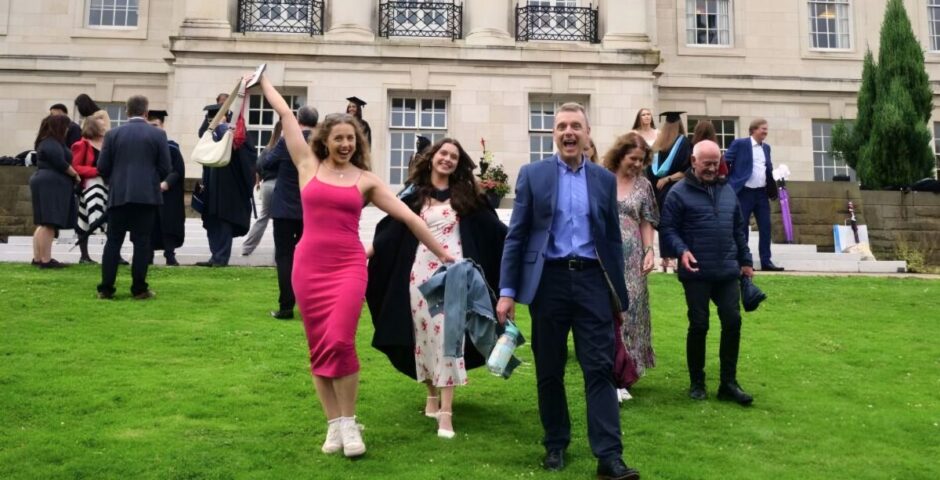
Want to be minted? These Russell Group unis have the fastest rising grad salaries
This may be proof nobody cares you went to Durham x
You may have rambled on your application about your love of academic, but let’s be real. You picked a Russell Group uni because your teachers told you this would make you richer. The grad salaries for the different Russell Group unis are rising at very different rates. Some grads seem to be very in-demand, while some are in their flop era.
Now, if a UK uni has a surprisingly low median grad salary, that doesn’t (necessarily) mean it’s rubbish. Universities in places where people are generally paid more (such as London) have a bit of an advantage. Some unis specialise in STEM subjects (such as Imperial College London, LSE and the Uni of Warwick). Grads who take science courses often end up earning more.
The Russell Group uni with the fastest rising median grad salary is the London School of Economics and Political Science (LSE). Students who left in 2023 are getting paid 29.4 per cent more than the students who left five years ago were. The average LSE grad now rakes in a whopping £38,300. Clearly, these students had the economic sense to pick an up-and-coming uni.
At the other end, Glasgow, Durham and Imperial College London grads are barely making more money than the 2018 leavers did. Yikes.
These numbers refer to the median salaries one year on of undergrads and postgrads who left uni in 2018, then five years later in 2023. The figures come from the Higher Education Statistics Agency (HESA). It’s the most up-to-date stats on grad salaries out there. I didn’t forget about Queen’s University Belfast – data for it is collected differently to the other Russell Group unis.
So, here are the Russell Group unis ranked by how much the grad salaries are rising:
23. Imperial College London
14.0 per cent increase from £34,300 to £39,100.
22. University of Glasgow
15.4 per cent increase from £23,400 to £27,000.
21. Durham University
16.3 per cent increase from £24,500 to £28,500.
20. University of Liverpool
16.9 per cent increase from £21,900 to £25,600.
19. University of Bristol

Some Bristol grads with excellent timing
17.6 per cent increase from £24,500 to £28,800.
18. University of Nottingham
17.6 per cent increase from £24,500 to £28,800.
17. Newcastle University
17.9 per cent increase from £22,300 to £26,300.
16. University of Birmingham
18.4 per cent increase from £23,400 to £27,700.
15. Queen Mary University of London
18.6 per cent increase from £23,700 to £28,100.
14. University of Exeter
19.3 per cent increase from £22,300 to £26,600.
13. University of York

York looking vibey
Most Read

20.1 per cent increase from £21,900 to £26,300.
12. University of Sheffield
21.1 per cent increase from £22,300 to £27,000.
11. King’s College London (KCL)
21.2 per cent increase from £27,400 to £33,200.
10. University of Manchester
21.2 per cent increase from £22,600 to £27,400.
9. University of Southampton
21.8 per cent increase from £23,400 to £28,500.
8. University of Edinburgh

Edinburgh Uni students looking cold
22.6 per cent increase from £22,600 to 27,700.
7. University of Warwick
22.8 per cent increase from £25,900 to £31,800.
6. University of Leeds
23.3 per cent increase from £21,900 to £27,000.
5. University College London (UCL)
23.3 per cent increase from £26,600 to £32,800.
4. Cardiff University
23.7 per cent increase from £21,500 to £26,600.
3. University of Oxford
23.7 per cent increase from £27,400 to £33,900.
2. University of Cambridge
24.3 per cent increase from £28,800 to £35,800.
1. The London School of Economics and Political Science (LSE)
29.4 per cent increase from £29,600 to £38,300.
For more like this, follow The Tab on Instagram.



Latest
Oasis is returning to Manchester: here’s everything you need to know

Get your bucket hats at the ready for another Ticketmaster war

The Lost Paintings: A Prelude to Return at Bristol Museum and Art Gallery

19 June – 27 September 2026
The Lost Paintings: A Prelude to Return, running until 27 September, brings together 53 Palestinian artists from Palestine and the diaspora. Each artist was invited to respond to one of Tomb’s lost painting titles.
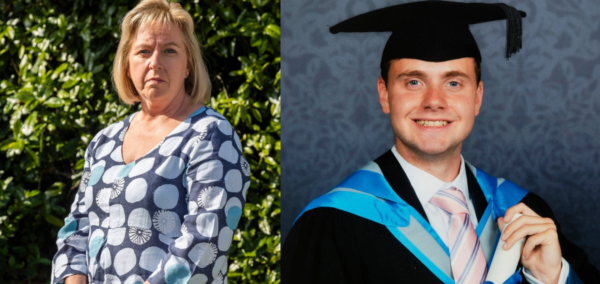
The mother of missing Jack O’Sullivan blames police for ‘total failure’ to find him

The most recent update in the Jack O’Sullivan case
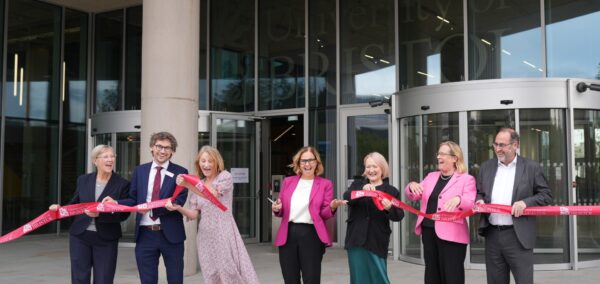
New Sloane Robinson Building opens: Temple Quarter

First step towards the new Temple Quarter Enterprise Campus

Missing 13-year-old found in Manchester city centre after eight day search

Police have confirmed the teenager is safe and well

Who Lizzie Borden’s sister Emma was and if they were close, because Monster gets it all wrong

She never got married for a start
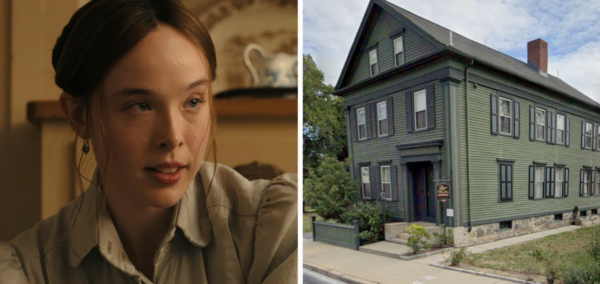
The real life Lizzie Borden house is still standing today, so here’s what it’s used for

It’s one of the most visited true crime landmarks

What Lizzie Borden was actually like in real life, according to the people who knew her
Monster keeps describing her as ‘plain’

Was Lizzie Borden in love with her maid Bridget? The real life theory around her sexuality
People dug up notes and have tried to prove the theory for decades
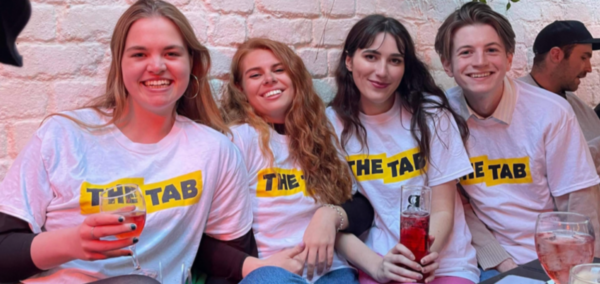
Calling all aspiring journalists! How to join The Bristol Tab

Come to our open meeting on the 28th of September at 8pm at The Beckford (In Senate House)

Stop what you’re doing: The King’s Tab is looking for new writers AND content creators

Come to our open meeting on Thursday 1st October, 5pm at The Vault!

Channelling your broke uni student lifestyle

Not everything needs to be accompanied by a £5 iced latte, here’s how to be more mindful

The York Tab is recruiting new writers and we want YOU!

Open meeting Monday 28th September, 6pm in SLB/004!

Here’s who the uncle in Monster: The Lizzie Borden Story was, and what Netflix makes up

John Morse really did stay in the Bordens’ house

Er, Lizzie Borden’s meeting with the actor Nance O’Neil was nothing like Netflix’s Monster
Their paths didn’t actually cross for another 14 years

With 600 alleged killings, this minor character in Lizzie Borden should have been the Monster

HUGE missed opportunity

Did Andrew Borden have a stutter? Charlie Hunnam breaks down accent and voice in Netflix show
The actor has fully explained it
Elektrik Warehouse responds to alleged ‘crowd crush’ concerns at Shoshi event

‘It was just lucky nothing insanely bad happened’
Uni of Edinburgh confirms 25 days of strike action over five weeks, affecting Welcome Week

Am email sent to Edinburgh University students read ‘staff are not obliged to tell us if they plan to take part, which means we cannot tell you who is or is not’

There’s a really smart way to hack your Spotify Wrapped results for 2026 – before it’s too late
The cut-off for data tracking is very soon!