


Lancaster professor believes more should be done to support local students at universities
Professor Paul Ashwin says a lack of outreach may lead students to believe university is not for them

A Lancaster professor believes more should be done to support local students at universities.
Professor Paul Ashwin has argued that a lack of outreach and high entry requirements may lead local students to believe universities within their communities are not for them.
This comes after findings that local students only make up ten to fifteen per cent of the student body at some elite UK universities.
The Boar reports that international students outnumber local students at universities, with globalisation potentially affecting these numbers. A study reveals that only thirteen per cent of Warwick students come from the West Midlands, one of the lowest percentages at elite UK universities.
Professor Ashwin claims high entry requirements and insufficient outreach programmes are the biggest factors pushing local students away from higher education.
He told Times Higher Education that fewer local students can cause “a sense that whilst [the university] is located in the community, it is not a part of the community with local people feeling that it is ‘not for them’.”



The professor added that universities play a key role in sharing knowledge, and if this is unsuccessful, it can lead to higher tensions between students and the local community.
International students are important for many universities’ financial sustainability, as they pay between £11,000 and £38,000 a year – a much higher fee than home students.
At Lancaster University, international students comprise 34 per cent of the student body and around 25 per cent of the university’s total income. In the academic year 2023/24, around 40 per cent of Lancaster University home students were from North West England, with 17 per cent being from Lancashire or Cumbria.
Lancaster University currently invites schools and colleges on campus tours, gives talks, visits schools and colleges across the UK and individual departments run taster days.
The university library also offers research days for students completing A-Levels or EPQs, and allows students aged 16 or over to use the library study spaces. Lancaster University also runs the Access Lancaster programme, designed to support students’ post-16 education.
For more of the latest news, guides, gossip and memes, follow the Lancaster Tab on Instagram, TikTok, and Facebook.


Latest
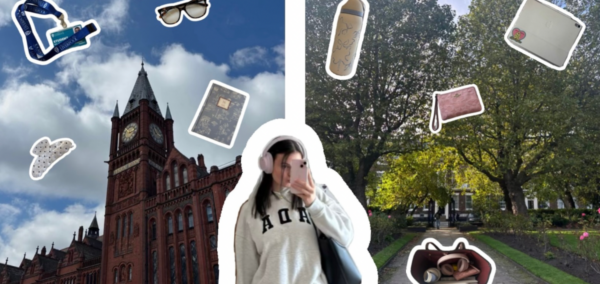
First week back at uni? Here’s everything you need to pack in your bag

Mary Poppins is quaking in her boots…

London university releases statement after professor sentenced for a child sexual offence

Barry Langford was a Professor of Film Studies at Royal Holloway


Young father-of-two died on day he was due to start at University of Glasgow

Young father tragically passes away at 24 years old after suffering a brain aneurysm

Bella Ramsey’s specific acting career gives them ‘an edge’ on Celebrity Traitors (they hope)
Their past roles have prepped them for Missions

12 of The Celebrity Traitors season two cast asked to be Traitors, and six to be Faithfuls
Three celebs couldn’t make up their minds

Maya Jama’s game plan for Celebrity Traitors is to avoid trying ‘too hard’ or ‘overthinking’
This is really devious tbh

Newcastle University buildings evacuated after ‘suspicious item’ found on campus

Police, fire crews, and fire engines arrived at the scene

12 things every Fresher gets wrong in their first few weeks at uni

From wearing your lanyard everywhere to leaving your washing-up until it grows its own ecosystem

Our Celebrity Traitors predictions include Maya Jama turning on her fellow Traitors

Here’s what we think will happen

I’ve just realised that three cast members from Celebrity Traitors were in Game of Thrones

Having flashbacks to Bella Ramsey being crushed by a giant



23 to 70: The ages of the Celebrity Traitors 2026 cast, from youngest to oldest

There’s a huge age range this year

James Blunt was a British Army captain before becoming a singer and joining Celebrity Traitors
He mentioned it on the show

Monster director finally admits why they forced Aileen Wuornos in a show about Lizzie Borden
Despite the name, Lizzie Borden is not the focus of the story

Shows and films you can watch about Aileen Wuornos, where she isn’t thrown into another story

Others tell her entire case, unlike Monster on Netflix
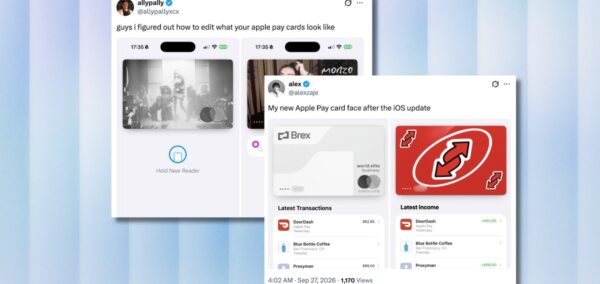
This viral tool lets you customise your Apple Pay cards, and here’s how to do it
You can personalise the entire design

James Acaster could be the Celebrity Traitors’ recruit, as filming reportedly paused for him
It’s not much of a cliffhanger

The ridiculous fortunes of The Celebrity Traitors: Their net worths, from £500K to £50 million
One of them could legit buy the castle three times over