
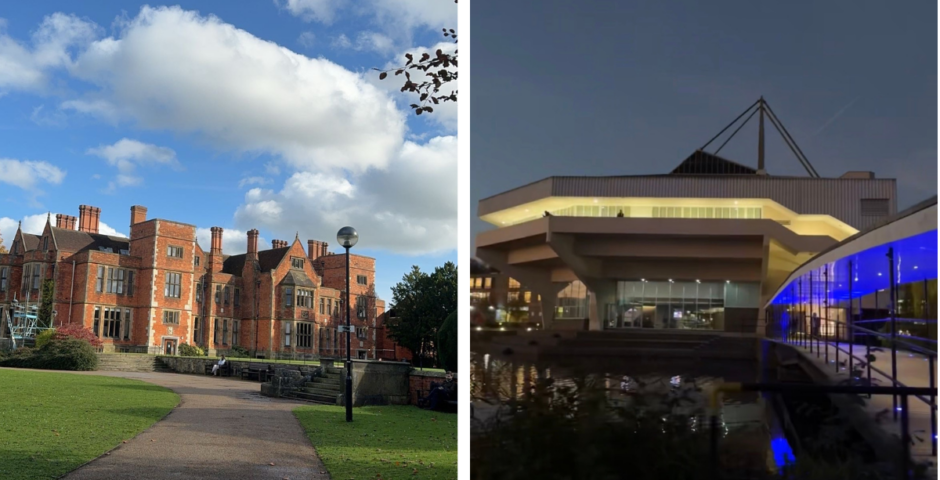
‘The government must intervene’ University of York issues statement after 660 job losses
The university hopes to reinvest further into the ‘student experience’ amidst job losses

The University of York has been named among the universities with the biggest reductions in staff numbers over the past year.
Figures published by The Times on 22nd August show that 660 roles were reduced at the University of York, representing a 12.5 per cent reduction in staff.
The university said the reduction was similar to that seen at other universities in the area and that staffing levels have now returned to those of 2022.
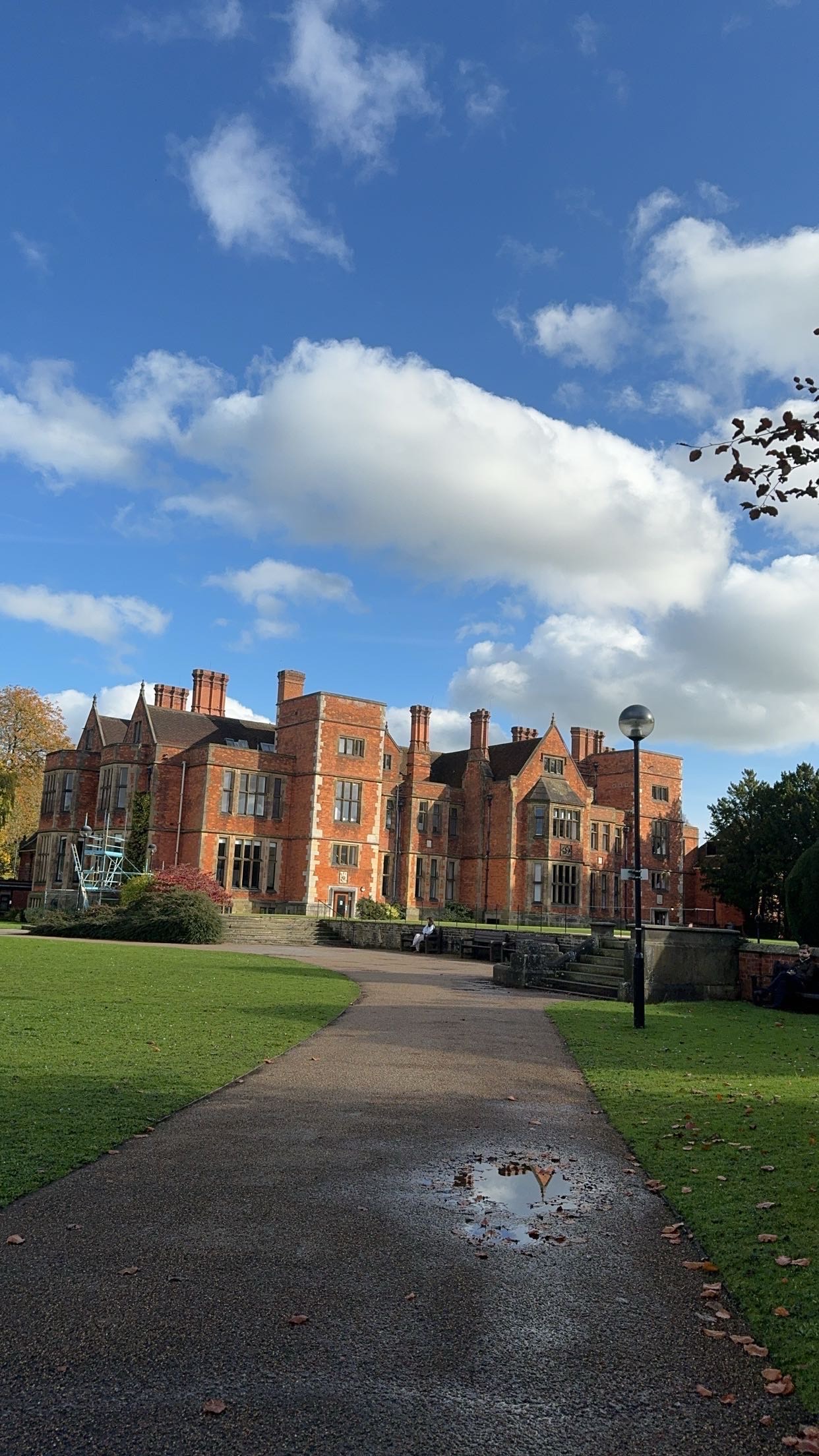
According to figures published by The Times, the University of York recorded the third-highest percentage reduction in staff in the sector at 12.5 per cent.
The 660-role reduction placed York behind the University of Huddersfield and Leeds Beckett University for the percentage change in staffing levels.

The figures were highlighted in an investigation published by The Times on 22nd August.
In a statement posted to Instagram and reported by the York Press, the UCU said the figures “exposes just a fraction of the attacks on jobs in universities”.
The union added: “We know the true picture across the UK is even worse. With record student sign ups this situation is completely untenable. The government must intervene.”
A University of York spokesperson said the university had been among the first to take “comprehensive action” to address financial challenges facing universities: “York was one of the first to take comprehensive action to tackle the financial challenges many other universities now face, moving swiftly to protect the quality of our teaching and the student experience and maintain our position as one of the UK’s top universities.
“We were able to achieve the vast majority of the savings through lowering operational costs and voluntary severance schemes, which returned staffing levels to 2022 levels.
“This has been a difficult and unsettling time for our community, but we are now focused on creating new ways to generate income so we can reinvest further in the student experience.”
Latest

Here’s all the famous people you didn’t know went to uni in Leeds

All five major Leeds universities have some pretty famous alumni, here are some of them!

Want to live your Strictly dreams? Here are the best places to dance in Cardiff

Cardiffians its time to get your dancing shoes on and cha-cha-cha your way into Cardiff’s night life

Ed Gamble has defended Celebrity Traitors’ James Acaster, after he ‘sabotaged’ challenge

‘He just wants everyone to be okay’
What Does Your Favourite Pres Game Say About You?

Your go-to pres game is basically a personality test…
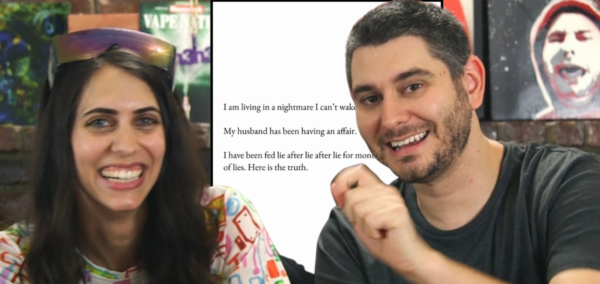
H3 Podcast crew shares statement as Ethan Klein’s wife publicly accuses him of ‘nightmare’ affair

His own crew has cut ties with him

James Acaster is being called out for his bizarre behaviour during Celebrity Traitors mission
He’s taking the phrase ‘playing it safe’ too literally

Christa Pike’s team say IV site might have ‘blown’ during failed lethal injection in detailed update

They have finally explained exactly what happened
Second clip of comedian’s rape ‘joke’ resurfaces from five months before his apology
‘There are some clips coming out from that that could be a problem’
Mind-boggling flaw makes it ‘obvious’ who the Celebrity Traitors final three will be
It’s staring us in the face

Love Is Blind’s Aneha feels viewers ‘misunderstood’ her family’s response to Cam

‘My family and I have always been incredibly accepting’

Ross Kemp explains the mindset that left him suspicious of everyone on Celebrity Traitors
‘I was really sensitive’

Spoiler: Kenny’s handwriting on Celebrity Traitors ‘gives away’ who gets murdered next
There would be a national period of mourning

MAFS Australia production in another scandal as police investigate report of inappropriate content
New South Wales Police says the matter will be referred to Western Australia Police
How to write your diss without losing your mind: A third year survival guide

Five ways to survive third year without losing yourself in the process
A closer look at John’s job, since he was stressing over it on Love Is Blind season 11
Sarah did not like him shouting down the phone

How Netflix production changed the real life story for New Stanford Prison Experiment reality show
Robocams were in the prison filming the cast
Three compelling clues Michaella and Rob broke up after Love Is Blind season 11
Exhibit B: Michaella’s Substack

Love Is Blind’s Aneha and Cam break down what they actually like about each other
‘He just looked completely different from what I was thinking’

A Love Is Blind participant who quit early found love with someone from the pods afterwards
Sahar and Tucker are still together now

What the Love Is Blind season 11 cast really do in their day jobs, as per their LinkedIns
It’s not hard to guess who has LinkedIn premium