

‘I’m anxious and need a dopamine hit’: Inside a 28-year-old’s $3.5k weekly spend
Tiffany earns $10k gross and is trying to move away from anxiety-driven spending

Location: Washington D.C. – communications and UX consultant – living with partner
Tiffany is 28 and lives in Washington D.C. with her partner, where she works as a communications and user experience consultant. She earns around $10k gross and has recently increased her income, though she still describes her relationship with money as emotionally complex.
She has student loans and is balancing regular expenses like rent, bills, subscriptions, and ongoing wedding costs while working toward longer-term goals.
Tiffany describes her attitude toward money as anxious at times, noting, “I have increased my income significantly over the last few years, so I still at times feel like I’m broke when I’m not. I have a lot of anxiety around spending and saving money.”
For Tiffany, this was a fairly typical week financially, with spending split between fixed monthly commitments, debt repayment, everyday essentials, and a few discretionary purchases – particularly dining out which she noticed happened more often than expected.
This week’s Money Talks breaks down Tiffany’s spending habits, her mix of planned and spontaneous purchases, and how her mindset influences her financial decisions.
Name: Tiffany
Age: 28
Location: Washington, D.C.
Occupation: Communications and User Experience Consultant
Salary: Around $10k gross
Living situation: Lives with partner
Current commitments: Student loans, rent, WiFi, cellphone, subscriptions, shopping, dining out, wedding-related expenses
Main money goal: Build a six-month emergency fund, save for a house, and manage wedding costs
General attitude toward money: “I have a lot of anxiety around spending and saving money.” She’s working on shifting toward more intentional spending rather than reacting to stress or anxiety.
Typical daily spend: Variable depending on fixed costs and lifestyle spending, with occasional discretionary purchases on food and small items
A week in my wallet
Monday
Purchased outfit for nephew – $30
Total: $30
Tuesday
Credit card payment – ~$1,000
Groceries – $100
Natural gas bill – $45
Snacks at 7/11 – $12
Total: ~$1,157
Wednesday
No spending
Total: $0
Thursday
Dinner out – $30


Total: $30
Friday
Dinner out – $20
Total: $20
Saturday
Rent – $2,000
WiFi – $50
Phone and streaming services – $108
Total: $2,158
Sunday
Awareness t-shirt – $30
Wedding getting-ready outfit – $50
Total: $80
Earlier in the week
Lunch out – $25
Total weekly spend: Approximately $3,500+ including fixed bills, debt payments, and variable expenses
Weekly reflection
Tiffany was surprised by how frequently she ate out over the course of the week. While each individual purchase felt reasonable, the repetition stood out in hindsight: “I was surprised at how many times I’ve eaten out!” she said.
Most of her spending was planned rather than impulsive, with fixed expenses and financial obligations making up the bulk of her outflows. However, she noted that nicer weather contributed to more spontaneous decisions to dine out instead of staying in.
She also highlighted that her spending behaviour is influenced by her mindset. She’s been actively trying to move away from anxiety-driven patterns, where she either holds back too much or spends reactively for comfort.
Conclusions
This was a typical week for Tiffany, with most spending driven by fixed commitments such as rent, bills, subscriptions, and debt repayment, alongside a moderate amount of discretionary spending on dining out and small purchases.
Her main financial priorities remain long term: Building an emergency fund, saving for a house, and managing wedding expenses. At the same time, she is working on her relationship with money, aiming to feel more secure and intentional in her decisions.
As she puts it, her goal is to “prioritise spending my money in ways that make my life better instead of hoarding because I’m scared and then spending because I’m anxious and need a dopamine hit.”
Overall, Tiffany’s focus isn’t on cutting back drastically, but on creating a healthier balance between saving, spending, and peace of mind.
Want to get involved?
Fill out the form below, with the option for all entries to remain strictly anonymous or with a pseudonym if you prefer.
From students to professionals, we want to see how real young people earn, spend, and save – so please answer as honestly as you can.
The log will take about 10 minutes to complete.



Latest

Save the date! The Celebrity Traitors finale is almost here, and it’s the longest episode EVER

It’s basically a Celebrity Traitors movie!

King Kenny is obvious, but so many of The Celebrity Traitors cast don’t use their real names
Miranda Hart made the right call
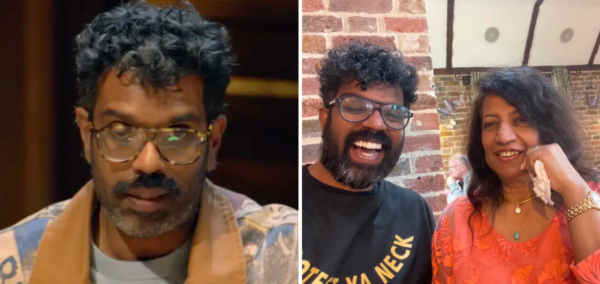
Celebrity Traitors star Romesh Ranganathan’s family lost their home when he was a teenager

He had a difficult upbringing
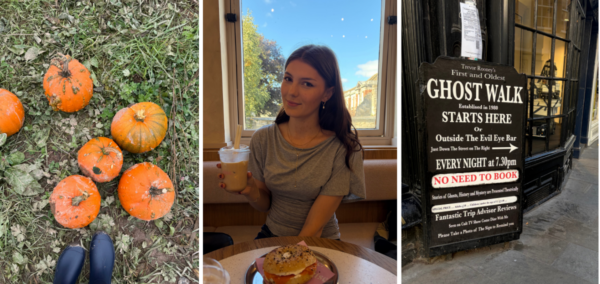
7 things to do in York now that Autumn has arrived

It’s officially cosy season, here’s how to embrace it

Hazing isn’t only a problem at US universities – UK students have ‘initiation rituals’ too

A University of Cambridge student allegedly caught fire

Nigella refusing to take smaller bites on Bake Off is more important than you might think
It’s a refreshing change for women

Stumped on which Birmingham societies to get involved in? Let’s break it down

There are over 300 societies at the UoB student guild, so how come you have no idea which one to join?

Hallo-week is back: Bristol’s best Halloween events 2026

A guide to all of Bristol’s best Halloween events

What is the TikTok screentime to cash program? Why you should be wary of the pop-up

There are two varieties of the pop-up doing the rounds

Celebrity Traitors’ Hannah Fry accidentally exposed the exact voting tactic she researched
She fell into the very mathematical trap
The four options Christa Pike faces next, and what she said about what she wants to happen to her
Her wishes were made clear

From locked in to clocked out: Here are the eight people you’ll meet in every KCL lecture

Some come prepared, some come barely conscious, and some seem to have no idea why they came at all

Katie Zacharia’s turbulent career and history before becoming White House press secretary
She had a six year career break but has still had loads of jobs

Celebrity Traitors’ Sebastian Croft had three year relationship with co-star, and none of us knew
They never made the ‘loving’ relationship public
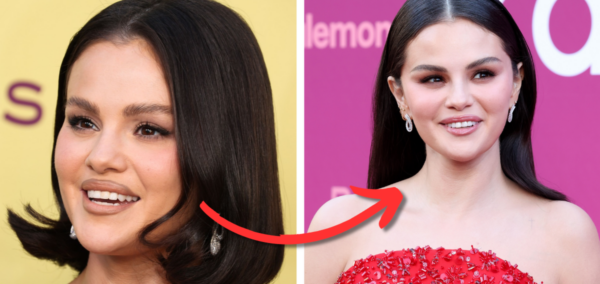
People think Selena Gomez has removed her veneers, so here’s what’s been said of her teeth transformation
‘She got her crooked smile back’

James Acaster reveals the Celebrity Traitors are monitored even when they call their families
They only get a 10 minute call

Leeds RAG Fashion Show reminds us grace and style knows no size

‘We want the focus to be on individuality, personality and how each model can contribute to the creative vision of the show’

Julie was voted off The Celebrity Traitors due to unaired drama with James Blunt
James Acaster explains the incident that didn’t make the edit

Gypsy-Rose Blanchard’s harsh prison calls about Ken Urker have surfaced after his death
She was talking to her other ex, Ryan Anderson, at the time

Your ultimate guide to surviving Freshers’ Flu

Being a Fresher is all fun and games until you wake up with a blocked nose, a sore throat and the feeling that you’ve been hit by a bus