
UK university students can get compensation if strikes disrupted their teaching – here’s how
Yup, your uni might give you money if classes were cancelled
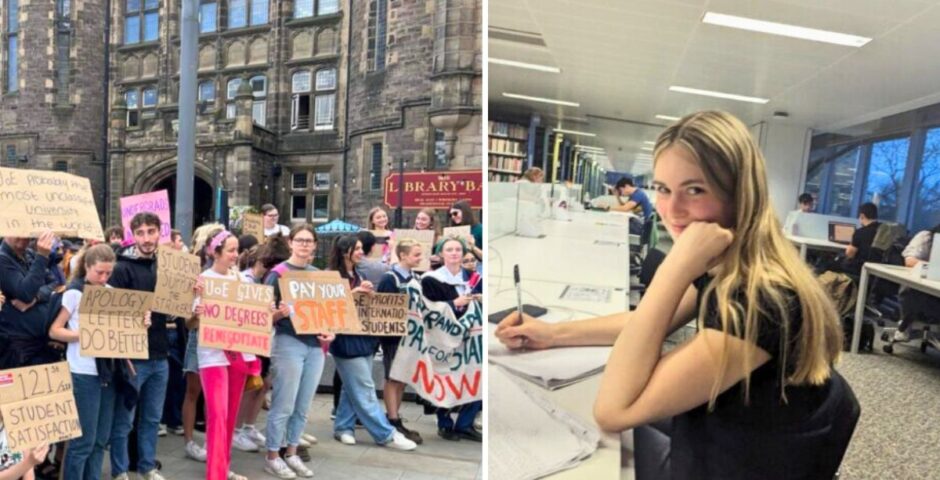
Students at UK unis in the 2020s had a rather unusual experience. With the Covid-19 pandemic, then several strikes, some students weren’t actually at uni very much. If you’re feeling short-changed, you might be able to get money back. There are actually several ways that students and grads could get compensation from their unis if strikes messed up their experiences. Here’s a handy guide to the four major ways you could feasibly give this a go.
Method one: Your university might offer you compensation
Yes, there is a (slim) chance your uni will just offer you money.
The Office for Students (Ofs) is the regulator for higher education in England. In 2025, the OfS did tell unis and colleges they should “pay appropriate compensation” to students affected by strikes. The OfS said students ought to be compensated for “missed teaching that has not been repeated or replaced in a timely manner” and “materially delayed or absent assessment marking and feedback”. Apparently, unis should also cough up if students dealt with “materially delayed progression decisions or awarding of qualifications, particularly where this has an impact on offers for jobs or further study, or on visa applications or status.”
In 2023, lots of academics protested by refusing to mark exams. This delayed thousands of students’ graduations. According to OfS, about nine per cent of students affected by this applied for and received financial compensation from their unis. Some unis tried to make up for the problems in other ways. The University of Bristol handed out £500 “goodwill payments”. The University of Brighton offered free graduation ceremonies.

Students who did manage to graduate from Bristol Uni
Method two: You can make a formal complaint to your uni
You’ll have to dig around on your university’s website to find out how to submit a formal complaint. You could argue that strikes impacted your teaching, you didn’t get the same university experience that you were promised, and you should get compensated.
Method three: You can escalate the issue to the relevant independent body
If you’re not impressed with how the uni responds to you (for instance, they don’t offer you cash), you can complain about the complaint. After you’ve been through your uni’s internal complaints procedure, you have 12 months to escalate the complaint to the independent body responsible for student complaints. For unis in England and Wales, that’s The Office of the Independent Adjudicator for Higher Education (OIA). Otherwise, you would contact the Scottish Public Services Ombudsman (SPSO) or the Northern Ireland Public Services Ombudsman.



In 2024, complaints through OIA resulted in students getting £1,809,805 as part of settlements. Students were also offered £677,785 of financial compensation after OIA recommended this. This money related to many different issues, not just strikes. But it shows you that payouts do happen.

Strikes at Lancaster Uni
Method four: You could join the Student Group Claim
This organisation made headlines last week because it reached a huge settlement with University College London (UCL).
Student Group Claim is a group legal claim seeking compensation for students and recent grads who were affected by strikes and the Covid-19 pandemic from 2017 onwards. More than 230,000 people have signed up. Through this organisation, about 6,500 current and former students got £21.25 million from UCL.
In a statement from 13th February, UCL said: “UCL admitted no liability but agreed to settle so the matter could be resolved amicably and without further expense, which would have meant diverting valuable resources away from teaching, research, and supporting our students.”
After this settlement, Student Group Claim sent off letters to 36 other UK unis, alerting the unis that their students are seeking compensation too. You can read a full list of the 26 unis, and who could join the claim, here.
If a student or grad does win back compensation through Student Group Claim, then the lawyers take 35 per cent. The organisation aims for students to win an average of £5,000 each. The figure would vary depending on whether you are a UK student, or an international student.
For more like this, follow The Tab on Instagram.



Latest
There’s one ‘dangerous’ detail in the Ed Sheeran scandal that a politician says we’re overlooking

Alexandria Ocasio-Cortez is right… once again
Cambridge college informs students they can’t move into their chosen rooms when term starts

Affected students will receive compensation estimated to be £400


Health expert reveals how dangerous HYROX poop incident really is after ‘biohazard’ concerns

Everyone’s right to be freaking out


New one-day Lancaster music festival cancelled due to financial hardship after months of postponement

Rapper Tinchy Stryder was supposed to make a headline appearance at the event

Explaining that resurfaced video of Macklemore ‘mocking Jewish people’, and how he responded
‘If this guy is your human rights hero, you’ve got a serious problem’



Very few celebs are publicly backing Ed Sheeran, but the ones who are speak VOLUMES
Alexa, play clown music


From University of Edinburgh Student to Edinburgh Councillor, Ruth Elliot Reflects on her Journey into Politics

In a conversation with The Edinburgh Tab, Ruth Elliot discusses student life, her role as Vice President Community, and her goals as councillor

Slow Horses season six isn’t the same, so here’s why the show’s creator Will Smith quit

‘I sadly couldn’t keep going’

Bonnie Blue’s video birthday messages to 16-year-olds are the final nail in the coffin
‘Maybe one day, me, you, and your dad can take a trip’

It’s been a whole 10 years since This Is Us started, so here’s where the cast are now
Justin Hartley re-married in the same year he divorced Chrishell Stause

HYROX has actually just added new ‘faeces’ rule, so here’s what it means for athletes

Joanna Wietrzyk should consider herself lucky
Calling all aspiring journalists and content creators: Join The London Tab!

Come to our open meeting on Tuesday 29th September, 7pm at the Institute Bar


Billionaire who paid actress $4.5million to marry him wants cash back after she sacked him off
The crypto tycoon paid a ‘bride fee’