So, did she do it? Seven controversial points from the Lucy Letby documentary explained
Netflix has revisited the evidence

A new Netflix documentary, The Investigation of Lucy Letby, revisits one of the UK’s most controversial criminal cases and begs the question: Did she do it?
The former neonatal nurse was convicted of seven murders and six attempted murders, but the film brings together voices who both support and question the verdict.

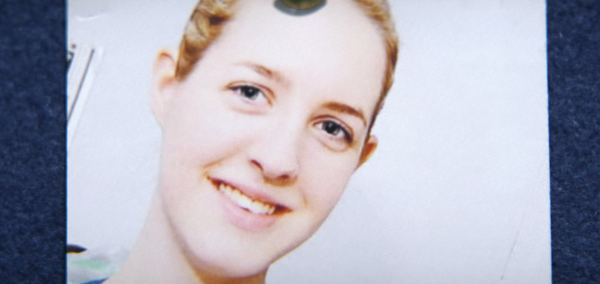
Cheshire Police
Some contributors argue Letby was unfairly blamed for systemic failings at the Countess of Chester Hospital, while others maintain the jury reached the right conclusion based on the evidence presented in court.
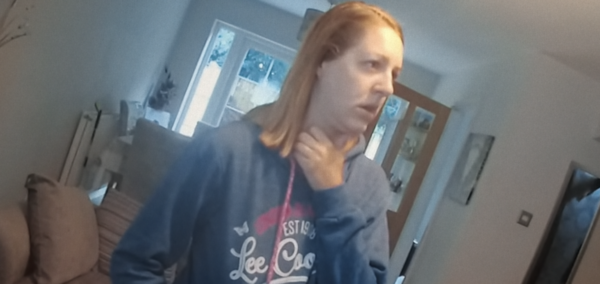
The documentary has also drawn criticism from Letby’s parents, who called the inclusion of arrest footage filmed inside their home an invasion of privacy, a decision defended by the filmmakers.
Here are seven details highlighted in the documentary that are reigniting debate around the case.
A rota that placed her at every incident
Prosecutors relied heavily on staff rotas showing Letby was on duty whenever babies deteriorated or died. The documentary includes legal commentators who argue this created a compelling narrative for jurors.
However, one person featured in the documentary suggests her presence could be explained by her experience level and willingness to take extra shifts. They also note that no CCTV footage captured any wrongdoing and that questions remain around motive.
A handwritten note interpreted as a confession

Netflix
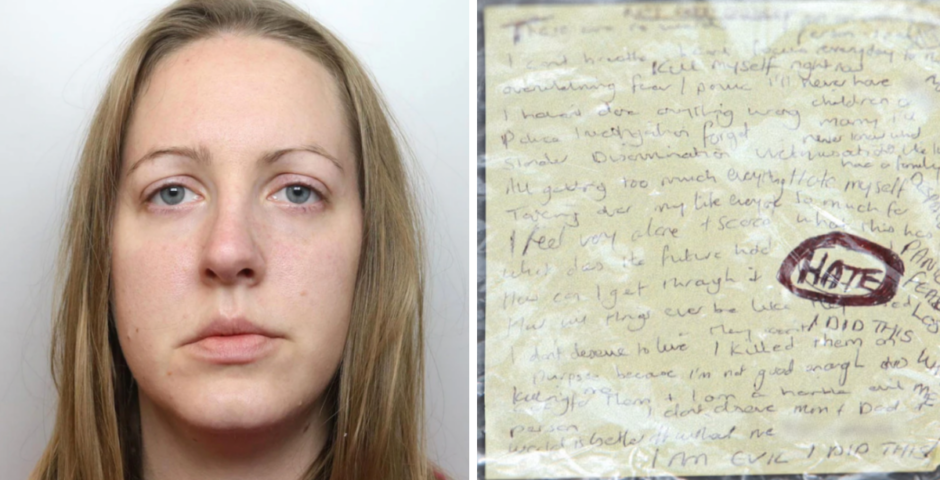
One of the most widely discussed pieces of evidence was a note Letby wrote containing phrases such as “I killed them on purpose because I am not good enough.”
In police interviews shown in the documentary, Letby said she wrote the words during an emotionally difficult period after being moved off the neonatal unit and while receiving counselling.
The same document also contains phrases expressing fear, panic and claims of innocence. A friend interviewed in the film argues the defence did not present expert testimony to offer alternative explanations for the note’s meaning. Letby’s barrister declined to comment on trial strategy.
Mortality rates dropped, but so did the unit’s capacity
Police in the documentary say serious incidents stopped after Letby was removed from clinical duties.
However, people have also pointed out that the neonatal unit was later downgraded, meaning it cared for fewer high-risk babies. Therefore, it would make sense that the change in patient mix could have influenced outcomes as well.
Complex medical evidence and the risk of misunderstanding


Netflix
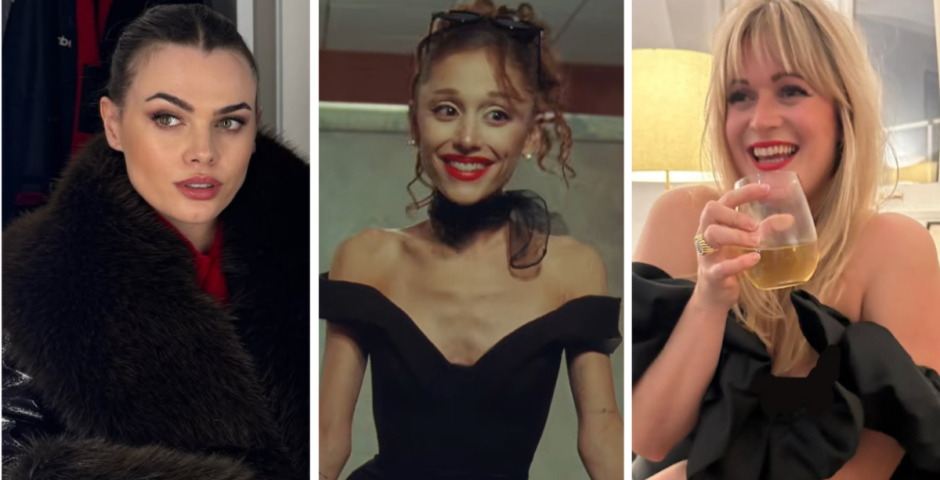
The highly technical medical testimony was presented at trial. Criminal barrister Mark McDonald argues the scientific detail may have been difficult for jurors to fully understand.
Independent paediatrician Dr Dewi Evans previously concluded that some babies had been intentionally harmed, which shifted the investigation’s focus from what had happened to who was responsible. Other people have since said that the complexity of the science leaves room for differing interpretations.
The insulin cases and disputed responsibility
Two cases involving unexplained insulin administration were presented in court as strong evidence. The prosecution argued Letby’s signature appeared on nutrition bags allegedly contaminated with insulin.
Letby accepted insulin had been given unnecessarily but denied being the person responsible. Her defence team argued there was no direct proof she tampered with any medical supplies.
Sensitive documents discovered at her home

Netflix
During a police search, officers found hundreds of confidential handover sheets in a box labelled “keep”. Letby told investigators she had taken them home accidentally, and said she hadn’t destroyed them because she didn’t own a shredder.
A competing medical panel challenges earlier conclusions
The documentary follows a panel organised by McDonald, including Dr Shoo Lee, whose research had previously been referenced by the prosecution’s expert witness. According to Lee, the panel identified possible misdiagnoses, staffing pressures and difficulties accessing doctors quickly.
A consultant from the hospital disputes that explanation in the film, noting that earlier staffing shortages did not correspond with similar spikes in deaths. Dr Evans argues the panel offered alternative opinions rather than new evidence.
A bereaved mother’s testimony adds a personal perspective
For the first time in a documentary, a parent whose baby died speaks on camera. Appearing anonymously, she describes being told her daughter was improving before a sudden collapse and recalls her experience in court.
Medical experts in the film say the child’s unexpected deterioration remains a key focus, with one suggesting an unusual rash could have been linked to air entering the bloodstream.
For all the latest Netflix news and drops, like The Holy Church of Netflix on Facebook.
Featured image credit: Cheshire Police, Netflix
Latest
From University of Edinburgh Student to Edinburgh Councillor, Ruth Elliot Reflects on her Journey into Politics

In a conversation with The Edinburgh Tab, Ruth Elliot discusses student life, her role as Vice President Community, and her goals as councillor
Slow Horses season six isn’t the same, so here’s why the show’s creator Will Smith quit

‘I sadly couldn’t keep going’
Bonnie Blue’s video birthday messages to 16-year-olds are the final nail in the coffin

‘Maybe one day, me, you, and your dad can take a trip’
It’s been a whole 10 years since This Is Us started, so here’s where the cast are now

Justin Hartley re-married in the same year he divorced Chrishell Stause
HYROX has actually just added new ‘faeces’ rule, so here’s what it means for athletes

Joanna Wietrzyk should consider herself lucky
Calling all aspiring journalists and content creators: Join The London Tab!
Come to our open meeting on Tuesday 29th September, 7pm at the Institute Bar

Billionaire who paid actress $4.5million to marry him wants cash back after she sacked him off
The crypto tycoon paid a ‘bride fee’
I’m a first-class Leeds grad, but it took me two years and 120 applications to find a job

Maddy was once told she wasn’t offered an interview because her application was ‘too far down the pile’
Kelly Osbourne reveals the moving thing father Ozzy told her three days before he died
He wanted her to know this

Lancaster University student wins national award for flooding research project
According to research, the flood risk in Grasmere may be substantially greater than anticipated
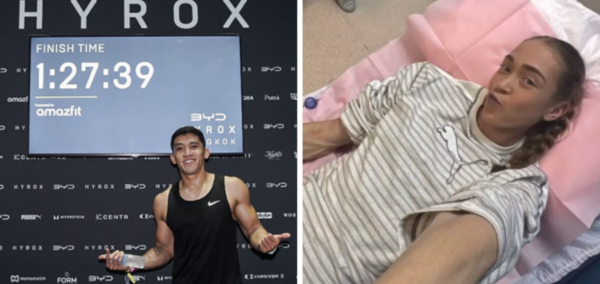
Angry HYROX athlete details silly reason he was disqualified after pooing woman wins
He finished the whole race, but was slapped with the disqualification after

All the celebrities publicly calling out Ed Sheeran after Macklemore is dropped from tour
Loads of actors and musicians are speaking out against him
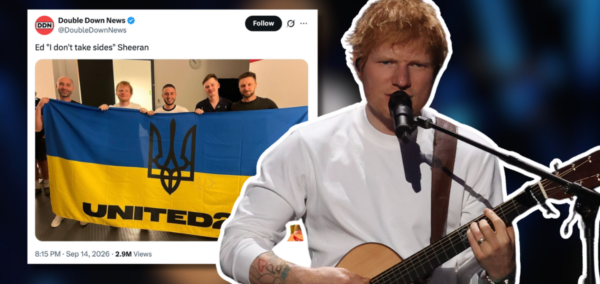
Ed Sheeran branded ‘coward’ as treasure trove of receipts resurfaces after response to Macklemore
Mr ‘I’m not political’ turns out to be very political
HBO casts three more actors in the Harry Potter TV show – here’s what they had to say about it
Moaning Myrtle’s actor understands ‘the significance and responsibilities’
People are just finding out what HYROX really stands for and the backstory is giving them the ick
I don’t know what’s worse, the poop story or this
Love Island couple confirm split as she moves out of home they shared after the villa
This is all so quick!

‘Pull up!’: Video inside NBC helicopter captures final moments and last words of those killed
The helicopter was covering a bus accident when it went down on Tuesday
This Love Island 2026 couple are finally official and the other Islanders are freaking out
Their reactions are brilliant
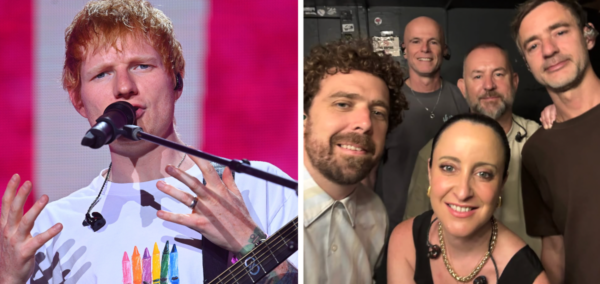
All three opening acts and Ed Sheeran’s own band quit tour after Macklemore was dropped
‘Artists must not be silenced’