
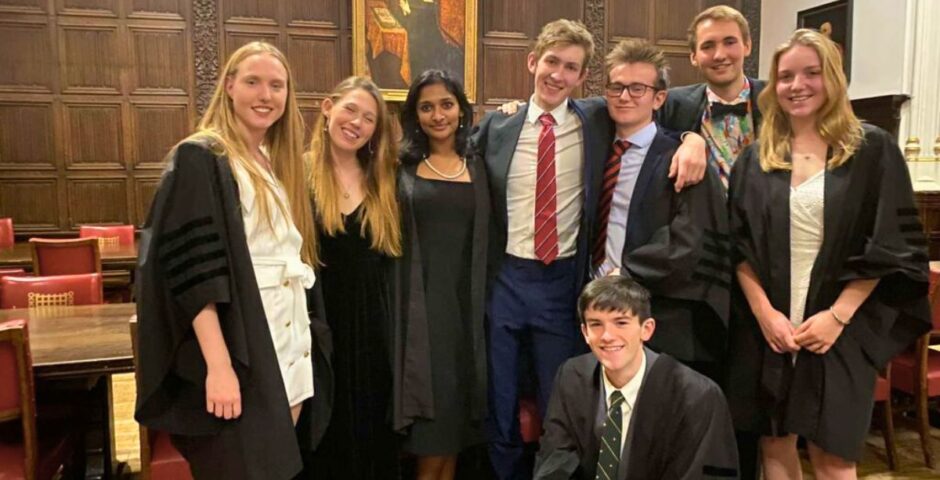
Desperate to go to Oxbridge? These are the easiest and hardest courses to get offers for
I’ve suddenly decided I’m passionate about music
This month, stressed-out sixth-form students across the world will be waiting to hear if they’ve got into the University of Cambridge or the University of Oxford. Their odds of success vary wildly depending on which subject they picked. There is a huge difference in the offer rates for the easiest and hardest Oxbridge courses.
The absolute hardest Oxbridge course to get an offer for is Economics and Management at the University of Oxford. Not only do candidates have to pretend to find that subject interesting, but they have to fend off lots of competition. Only 6.0 per cent of students get an offer. At the other end, the easiest Oxbridge course to land an offer for is currently the four-year Classics course at Cambridge (that’s for people who haven’t studied ancient Greek or Latin before).
Remember, not everybody who nabs an offer will automatically go to Oxbridge. When making offers, each department has to take into account how many students may turn down their place, and how many might not get the requested grades. This can very lots from subject to subject. Cambridge courses usually ask for more A*s at A-Level than the equivalent Oxford courses.
These stats all refers to the current freshers. That’s the batch of students who sent in their applications in autumn 2024, received their offers in January 2025, then started in October 2025. I promise that this is the most up-to-date data out there (since Cambridge hasn’t sent out their offers for next year yet). You’re welcome.
Here are all the Oxbridge courses ranked from hardest to easiest, based on the offer rate:
57. Economics and Management, Oxford – 6.0 per cent
56. Computer Science, Cambridge – 9.3 per cent

Are you sure you want to study Comp Sci now?
55. Biomedical Science, Oxford – 9.6 per cent
54. Computer Science, Oxford – 10.9 per cent
53. Biochemistry, Oxford – 11.1 per cent
52. Mathematics, Oxford – 11.5 per cent
51. Economics, Cambridge – 11.8 per cent
50. Engineering, Cambridge – 12.0 per cent
49. Law, Oxford – 12.0 per cent
48. Computer Science and Philosophy – 12.7 per cent
47. Law, Cambridge – 14.0 per cent
46. Philosophy, Politics and Economics (PPE), Oxford – 14.1 per cent
45. Physics, Oxford – 14.4 per cent
44. Medicine, Oxford – 16.0 per cent
43. Mathematics and Computer Science, Oxford – 16.0 per cent
42. Engineering, Oxford – 16.4 per cent
41. Architecture, Cambridge – 16.5 per cent
40. Land Economy, Cambridge – 16.9 per cent

Yes, Land Economy is a real Cambridge degree, and no, I don’t understand what it is either
39. Chemical Engineering and Biotechnology, Cambridge – 17.0 per cent
38. Law, Cambridge – 17.6 per cent
37. Psychological and Behavioural Sciences, Cambridge – 18.2 per cent
36. Human, Social and Political Sciences (HSPS), Cambridge – 19.2 per cent
35. Biology, Oxford – 19.4 per cent
34. Chemistry, Oxford – 19.5 per cent
33. Medicine, Cambridge – 20.1 per cent
32. Philosophy and Theology, Oxford – 20.4 per cent
31. History and Politics, Cambridge – 20.5 per cent



30. Human sciences, Oxford – 21.6 per cent
29. Classical Archaeology and Ancient History – 22.0 per cent
28. English language and literature, Oxford – 23.0 per cent
27. Veterinary Medicine, Cambridge – 23.5 per cent
26. History, Oxford – 23.8 per cent

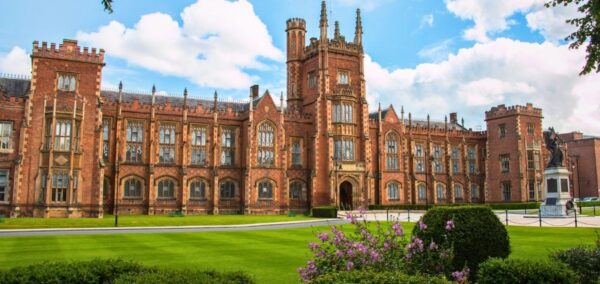
I can’t believe we’ve made it this far down an Oxbridge article without a pic of the Bod
25. Design, Cambridge – 24.3 per cent
24. Archaeology and Anthropology, Oxford – 25.0 per cent
23. Natural Sciences, Cambridge – 25.4 per cent
22. Geography, Oxford – 25.9 per cent
21. Mathematics, Cambridge – 27.3 per cent
20. Theology and Religion, Oxford – 27.5 per cent
19. Ancient and Modern History, Oxford – 28.3 per cent
18. History of Art, Cambridge – 29.1 per cent
17. Philosophy, Cambridge – 31.8 per cent
16. Education, Cambridge – 34.8 per cent
15. English, Cambridge – 37.0 per cent
14. History, Cambridge – 38.2 per cent
13. Linguistics, Cambridge – 41.3 per cent
12. History and Modern Languages, Cambridge – 42.4 per cent
11. Modern Languages, Oxford – 45.5 per cent
10. Asian and Middle Eastern Studies, Oxford – 45.7 per cent
9. Theology, Religion and Philosophy of Religion, Cambridge – 46.5 per cent
8. Archaeology, Cambridge – 47.6 per cent
7. Music, Oxford – 55.4 per cent
6. Classics (three years), Cambridge – 57.0 per cent

The Cambridge Classics department may have more statues than applicants
5. Asian and Middle Eastern Studies (AMES), Cambridge – 58.4 per cent
4. Anglo-Saxon, Norse and Celtic (ASNaC), Cambridge – 59.2 per cent
3. Modern and Medieval Languages (MML), Cambridge – 61.9 per cent
2. Music, Cambridge – 62.2 per cent
1. Classics (four years), Cambridge – 66.7 per cent
For more like this, follow The Tab on Instagram.
Latest
There’s one ‘dangerous’ detail in the Ed Sheeran scandal that a politician says we’re overlooking

Alexandria Ocasio-Cortez is right… once again
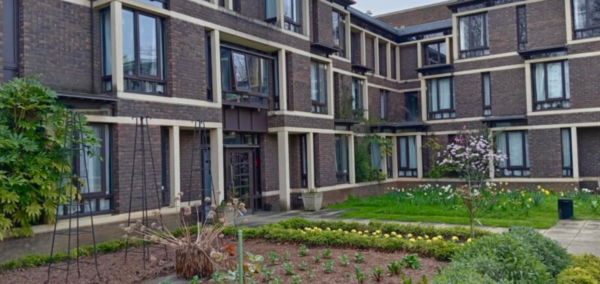
Cambridge college informs students they can’t move into their chosen rooms when term starts

Affected students will receive compensation estimated to be £400

Health expert reveals how dangerous HYROX poop incident really is after ‘biohazard’ concerns

Everyone’s right to be freaking out

New one-day Lancaster music festival cancelled due to financial hardship after months of postponement

Rapper Tinchy Stryder was supposed to make a headline appearance at the event

Explaining that resurfaced video of Macklemore ‘mocking Jewish people’, and how he responded
‘If this guy is your human rights hero, you’ve got a serious problem’

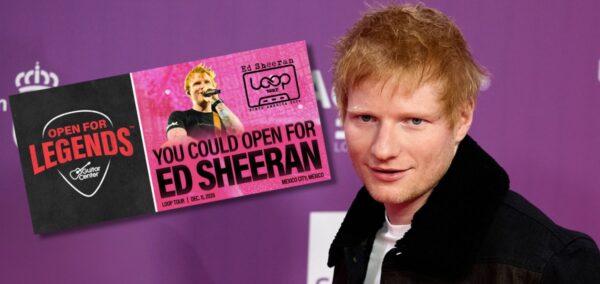
Very few celebs are publicly backing Ed Sheeran, but the ones who are speak VOLUMES
Alexa, play clown music
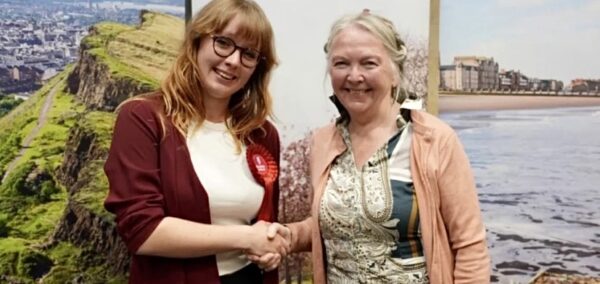
From University of Edinburgh Student to Edinburgh Councillor, Ruth Elliot Reflects on her Journey into Politics

In a conversation with The Edinburgh Tab, Ruth Elliot discusses student life, her role as Vice President Community, and her goals as councillor
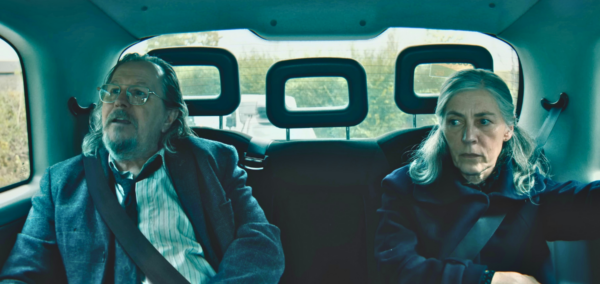
Slow Horses season six isn’t the same, so here’s why the show’s creator Will Smith quit

‘I sadly couldn’t keep going’

Bonnie Blue’s video birthday messages to 16-year-olds are the final nail in the coffin
‘Maybe one day, me, you, and your dad can take a trip’

It’s been a whole 10 years since This Is Us started, so here’s where the cast are now
Justin Hartley re-married in the same year he divorced Chrishell Stause
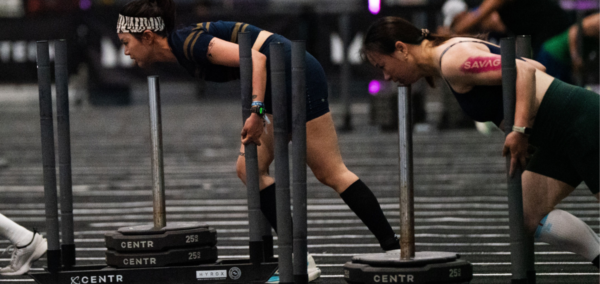
HYROX has actually just added new ‘faeces’ rule, so here’s what it means for athletes

Joanna Wietrzyk should consider herself lucky
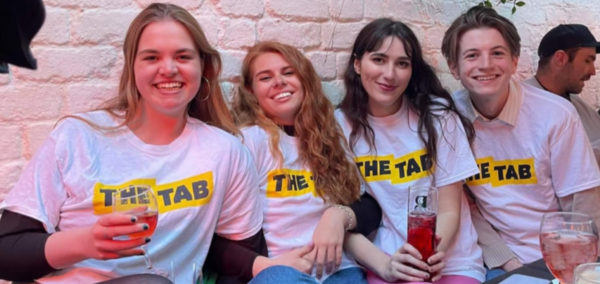
Calling all aspiring journalists and content creators: Join The London Tab!

Come to our open meeting on Tuesday 29th September, 7pm at the Institute Bar


Billionaire who paid actress $4.5million to marry him wants cash back after she sacked him off
The crypto tycoon paid a ‘bride fee’