
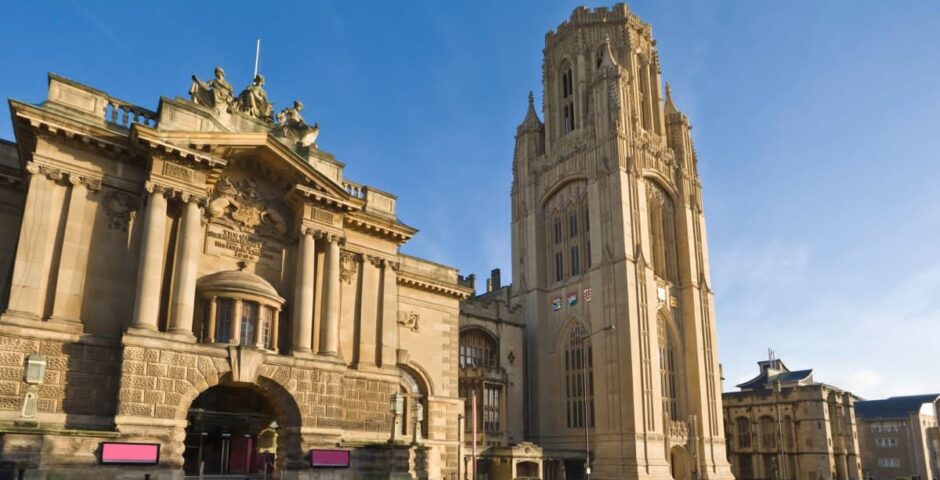
University of Bristol one of many universities accused of grade inflation
Is a first worth less now than previously?

An unexplained rise in the number of first-class degrees awarded by top universities has been reported, with the University of Bristol being affected by this.
The Financial Times (FT) reported the increase, which has slowly risen since 2010/11.
Although Bristol is not amongst the worst offenders, the Office for Students (OfS), which the Financial Times cites, reports that 31.3 per cent of students graduated with a first in 2023/4. This is a significant increase on the 23.7 per cent that left Bristol with a first in the 2010/11 academic year.
Based on the OfS data, The Financial Times tracked the change in unexplained attainment of first-class degrees since 2010/11, and scored universities from 1-10, with those with the least inflation scoring at the lower end. The University of Bristol was scored at 4.5, placing it slightly ahead of most universities that scored between two and four.
At the upper end of the scale, were Imperial College London, The University of Durham and The University of East London, with scores of 7.63, 9.73 and 9.97, respectively.
The FT reported that university grades have increased more than what could be explained by student qualifications such as A-Levels and other factors. It echoed the OfS call for universities to do more to maintain standards.
Whilst regulators do believe that better teaching and other improvements could explain a small fraction of the increase, the OfS holds that only 17.7 per cent of universities students should have graduated with firsts in 2023/4.
All universities tracked by the OfS, bar four, are awarding more firsts than in 2010, including Oxford and Cambridge.


via Canva
In a statement given to The Bristol Tab, Professor Tansy Jessop, Pro vice- chancellor for Education and Students at the University of Bristol, said: “Like the rest of the higher education sector, Bristol has seen an upwards trend in the proportion of students getting top degrees.
“A number of factors can explain this trend, such as changing student motivations and diligence towards their studies, enhancements in teaching and learning practices, and improvements in academic support for students.
“Degree attainment at Bristol is an important issue and one we closely monitor to assure the value of our degrees. We have robust measures in place to assure the quality of our degrees. This includes oversight from external examiners, who are members of academic staff from other universities, appointed to each course to ensure that quality and standards of the awards we make are appropriate.”
The university pointed out that each year they publish Degree Outcomes Statement , and “work closely with Bristol SU to make marking processes transparent to all students, with a video explainer coming out shortly which demonstrates our rigorous step-by-step marking processes.”
It continued that the percentage of first-class degrees awarded by Bristol University trends in line with those awarded at other universities: “The trend of increasing first-class degrees awarded to undergraduates at Bristol reflects a common trend within higher education.
During the pandemic, “no detriment” policies increased the number of good degrees awarded (firsts and 2:1s) because most universities sought to mitigate the effects of the pandemic. Degree-awarding patterns post-pandemic have returned to normal, with a reduction in the number of firsts awarded. In addition, while absolute percentages of firsts have risen from 24 per cent (2010/11) to 31 per cent (2023/24) at Bristol, we have gradually closed the gap between Bristol firsts and the sector from 8 per cent in 2010/11, to 2 per cent in 2023/24.
The most recent OfS analysis of “unexplained attainment” for first-class honours degrees demonstrates that Bristol is at the low end of unexplained firsts (ranked 132nd out of 142 providers), evidencing that we are very low on unexplained first-class degrees at Bristol compared to the sector.
Latest
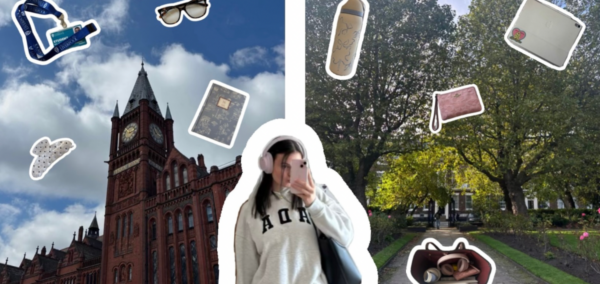
First week back at uni? Here’s everything you need to pack in your bag

Mary Poppins is quaking in her boots…
London university releases statement after professor sentenced for a child sexual offence

Barry Langford was a Professor of Film Studies at Royal Holloway

Young father-of-two died on day he was due to start at University of Glasgow

Young father tragically passes away at 24 years old after suffering a brain aneurysm
Bella Ramsey’s specific acting career gives them ‘an edge’ on Celebrity Traitors (they hope)
Their past roles have prepped them for Missions

12 of The Celebrity Traitors season two cast asked to be Traitors, and six to be Faithfuls
Three celebs couldn’t make up their minds
Maya Jama’s game plan for Celebrity Traitors is to avoid trying ‘too hard’ or ‘overthinking’
This is really devious tbh

Newcastle University buildings evacuated after ‘suspicious item’ found on campus

Police, fire crews, and fire engines arrived at the scene

12 things every Fresher gets wrong in their first few weeks at uni

From wearing your lanyard everywhere to leaving your washing-up until it grows its own ecosystem

Our Celebrity Traitors predictions include Maya Jama turning on her fellow Traitors

Here’s what we think will happen
I’ve just realised that three cast members from Celebrity Traitors were in Game of Thrones

Having flashbacks to Bella Ramsey being crushed by a giant



23 to 70: The ages of the Celebrity Traitors 2026 cast, from youngest to oldest

There’s a huge age range this year
James Blunt was a British Army captain before becoming a singer and joining Celebrity Traitors
He mentioned it on the show

Monster director finally admits why they forced Aileen Wuornos in a show about Lizzie Borden
Despite the name, Lizzie Borden is not the focus of the story
Shows and films you can watch about Aileen Wuornos, where she isn’t thrown into another story

Others tell her entire case, unlike Monster on Netflix
This viral tool lets you customise your Apple Pay cards, and here’s how to do it
You can personalise the entire design

James Acaster could be the Celebrity Traitors’ recruit, as filming reportedly paused for him
It’s not much of a cliffhanger

The ridiculous fortunes of The Celebrity Traitors: Their net worths, from £500K to £50 million
One of them could legit buy the castle three times over