
Glasgow University Rector denies antisemitism and Hamas support
Dr Ghassan Abu-Sitta said he was racially profiled and politically targeted

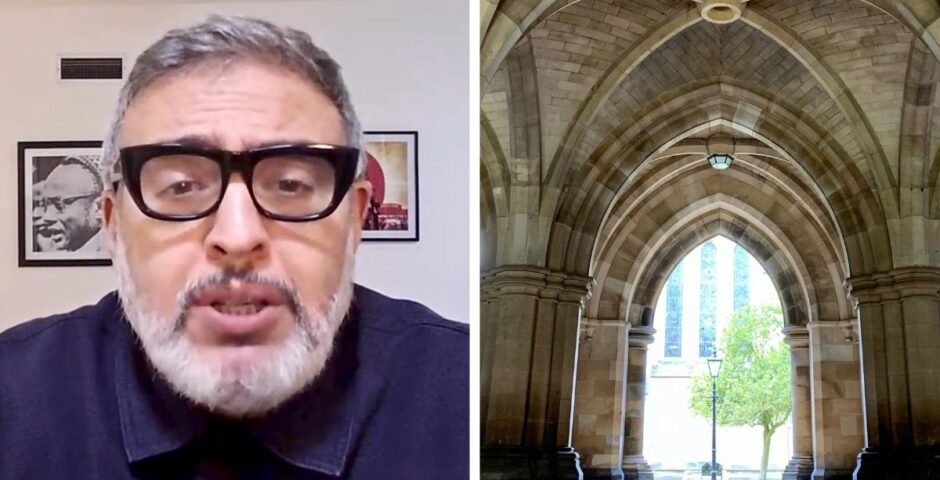
The rector of the University of Glasgow has rejected allegations of antisemitism and support for Hamas, telling a medical tribunal he has been racially profiled and politically targeted.
Dr Ghassan Abu-Sitta, a Palestinian activist and plastic surgeon, appeared before a Fitness to Practice panel of the Medical Practitioners Tribunal Service (MPTS) on Tuesday 6th January.
The panel was told about two social media posts and a newspaper article and a newspaper article that Abu Sitta wrote for the Lebanese newspaper Al Akhbar in March 2018.
The Kuwaiti-born plastic surgeon denied all allegations of antisemitism.
In the article, he referred to the “martyrdom” of Ahmad Nasr Jarrar, describing him as a “hero” of the Nablus operation and writing: “The people have no weapon left but revolutionary violence”.
Jarrar was believed to be a member of Hamas and was suspected of orchestrating an attack in which a rabbi was killed in a drive-by shooting in the occupied West Bank city of Nablus.
Addressing the panel, Dr Abu-Sitta claimed he had been portrayed as “inherently violent” because he is Palestinian and Arab, and accused a Jewish organisation of attempting to “destroy” his life. He also suggested the misconduct proceedings were politically motivated.
He told the tribunal that anyone familiar with the “nuance” of Arabic language and culture would understand he was neither being antisemitic nor advocating violence or terrorism.



via Unsplash
The hearing was told Dr Abu-Sitta had travelled to Manchester after flying in from Lebanon, where he had been treating “war wounded”. His lawyer, Zac Sammour, said this demonstrated his continued commitment to medical work in conflict zones.
Representing the General Medical Council (GMC), Ros Emsley Smith told the panel that the comments would be understood by an ordinary reader as supportive of terrorism.
“The murder of a rabbi, the very embodiment of the Jewish religion, not a soldier, would be interpreted as support for that act,” she said.
Ms Emsley Smith argued that referring to Jarrar as a “martyr” and a “hero” amounted to a celebration of his actions and, given the context, “meets the definition of antisemitism”.
She added that Dr Abu-Sitta had “overstepped the boundary of legitimate political speech and into the realms of misconduct”.

Latest
Calling all writers and content creators: The Newcastle Tab wants you!

Come along to our open meeting on Thursday 1st October at 6:30pm at Luther’s x
Channing Tatum’s alleged burner account has responded, so here’s why it might not be him

The evidence is piling up
Crying on stage to fearing for safety: Ed Sheeran’s ‘pity party’ weekend in its woeful entirety

‘I see 50,000 people who haven’t abandoned me’
Eight UK universities already plan to strike over job cuts in the 2026/2027 academic year

Staff at two Russell Group universities will strike this autumn

How Monster used some seriously grim tricks to film *that* Lizzie Borden vomiting scene
It also actually happened in real life

As Ed Sheeran cried on stage, his own cousin dropped brutal bombshell about his ‘malicious’ ways
‘I don’t like his music so I can’t say he’s even a good artist’

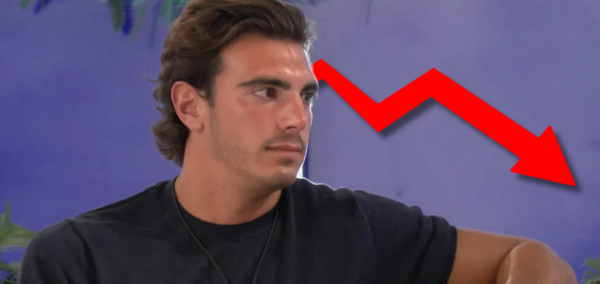
Love Island’s Lorenzo is drastically losing Instagram followers and there’s an embarrassing pattern

Thousands of people have dipped
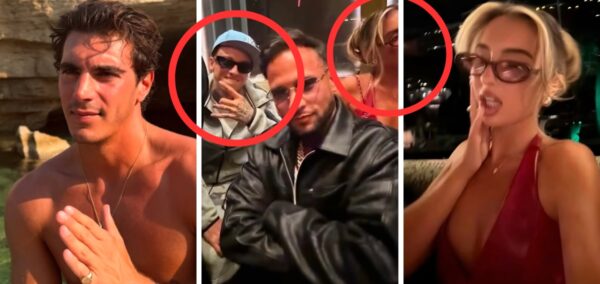
Right, here’s what’s *really* going on with Love Island’s Yasmin, Lorenzo and Central Cee

She met up with both of them last week
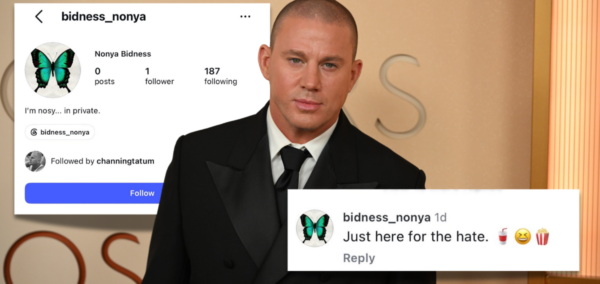
The full messy picture of Channing Tatum’s alleged burner account, and the mean things it writes
There are so many posts about Harry Styles and Zoë Kravitz


Oh no! There are divorce rumours surrounding yet another Love Is Blind couple
I can’t deal with this heartbreak
University of Edinburgh to axe 90 degree programmes from 2027 amid £140m cuts drive

The UCU has since announced five weeks of strike action
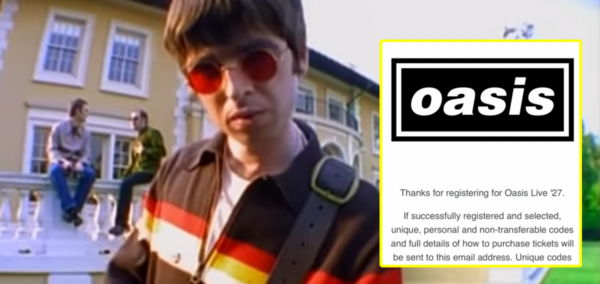
Oasis is returning to Manchester: Here’s everything you need to know

Get your bucket hats at the ready for another Ticketmaster war
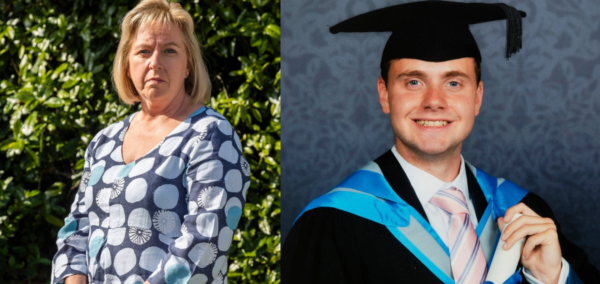
Mother of missing Bristol student Jack O’Sullivan blames police for ‘total failure’ to find him

Catherine O’Sullivan claimed that police have made basic errors in the initial search

New Sloane Robinson Building opens: Temple Quarter

First step towards the new Temple Quarter Enterprise Campus
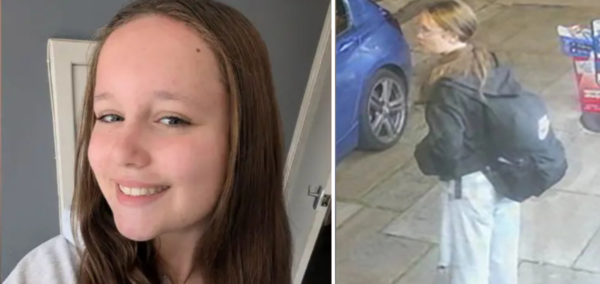
Missing 13-year-old found in Manchester city centre after eight day search

Police have confirmed the teenager is safe and well
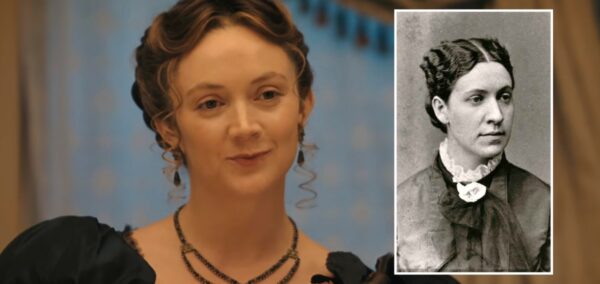
Who Lizzie Borden’s sister Emma was and if they were close, because Monster gets it all wrong
She never got married for a start

The real life Lizzie Borden house is still standing today, so here’s what it’s used for
It’s one of the most visited true crime landmarks

What Lizzie Borden was actually like in real life, according to the people who knew her
Monster keeps describing her as ‘plain’