How Cornell kept a 2024 sexual assault case out of the public eye for nearly two years
The full allegations have only just become public
The alleged sexual assault at Cornell University happened in October 2024. But it took almost two years, a civil lawsuit and renewed scrutiny for the full allegations to become public.
Now, the case is back under investigation, with Tompkins County District Attorney Matthew Van Houten saying he intends to take it before a grand jury.
Via Canva
The allegations first came to light publicly after a former Cornell student, identified as Jane Doe, filed a civil lawsuit against Cornell, the Chi Phi fraternity and seven fraternity members. She alleges that she was drugged and sexually assaulted by members of the fraternity when she was 20.
The lawsuit also accuses Cornell of failing to properly respond to what happened and of mishandling the subsequent investigation. The seven accused students allegedly received varying disciplinary punishments from the university, with the lawsuit claiming some were temporarily suspended and “were afforded the opportunity to mitigate their conduct by submitting essays” to Cornell.
Cornell strongly disputes that account.
The university says it referred the allegations to a panel of trained faculty and staff, which imposed a range of sanctions. It has also rejected the suggestion that writing essays was the “sole consequence” or an opportunity offered to reduce the punishment.
The university said: “Any suggestion that the University did not impose consequential punishments for those involved is false.”
It added: “A continuation of the false narrative that there were minimal consequences in this case is irresponsible, will make survivors feel less safe and supported, and will perpetuate the underreporting of sexual assault.”
Cornell has also said its Office of Civil Rights and Office of Student Conduct and Community Standards investigated and adjudicated the allegations in accordance with university policies.
Why were there no criminal charges in 2024?
Via Canva
Jane Doe reported the alleged incident to Cornell University Police Department around two weeks afterwards, according to the lawsuit. However, no arrests were made at the time.
The Ithaca Police Department has said it was not formally notified about the alleged incident by Cornell or campus authorities and only became aware of it through media coverage.
The Tompkins County District Attorney’s Office also did not bring criminal charges in 2024.
Van Houten has said this was because the evidence available to prosecutors at the time did not meet the threshold for criminal charges. He said his office relied on the investigation carried out by Cornell Police and did not independently investigate the allegations.
He has also said he was not shown the Snapchat group chat that has since become part of the public discussion around the case.
Van Houten told ABC News: “It’s our intention to present the case to the Tompkins County grand jury with Jane Doe’s cooperation.”
“We want to reexamine whether there’s additional evidence that we were not aware of in November of 2024, that exists now that would change our assessment of the case and would result in the grand jury finding that there was criminal conduct.”
Van Houten said the allegations described in the civil lawsuit were significantly different from the account given to authorities in 2024. He said the woman’s initial statement did not allege that she had been drugged without her knowledge or that she had been forced to engage in sexual activity.
Jane Doe’s attorney, Thomas P. Giuffra, disputes that characterisation of his client’s original statement and has criticised the way authorities handled her report.
“In my experience, speaking with an abuse survivor requires delicacy, understanding and specialized training. An average University Police officer would not have these skills. It would be the role of a specially trained detective or district attorney. However, Ms. Doe was never contacted by anybody with those skills,” he said.
Giuffra has also argued that the Snapchat messages were important evidence and questioned why there was no further follow-up with his client.
The university maintains that it did not minimise the consequences faced by students and says continuing to describe the response as involving only “minimal consequences” is inaccurate.
For more like this, like The Tab on Facebook.
Featured image via Canva

Latest
Monster’s showrunner explains the frustrating reason he invented half of The Lizzie Borden Story

I didn’t realise historical facts are optional

How Cornell kept a 2024 sexual assault case out of the public eye for nearly two years

The full allegations have only just become public

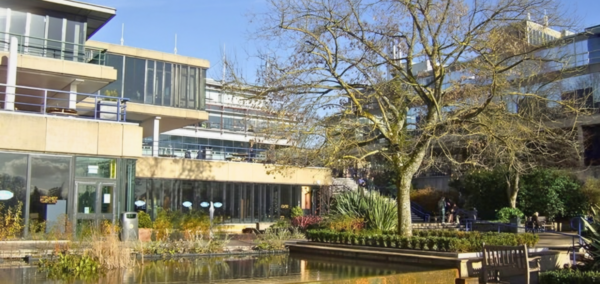
University of Bath launches investigation after ‘terrified’ students raise concerns about Rugby Club

Rugby Club members allegedly aimed to spike female students as an ‘initiation’
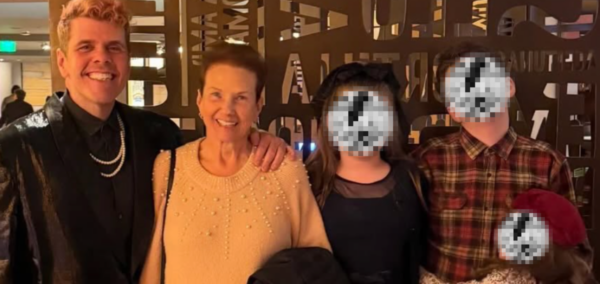
Perez Hilton has been reunited with his kids, his family confirm in detailed 500-word update
There are aspects of his recovery that are still ‘hard’

Sarah Paulson calls out ‘weird’ criticism of her portrayal of Aileen Wuornos in The Lizzie Borden Story

She’s defended how she told the story
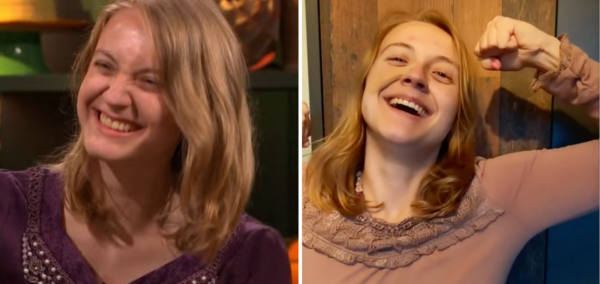
Great British Bake Off’s first eliminated baker Danni has spoken out since leaving the tent
They’re pretty happy with how it all went
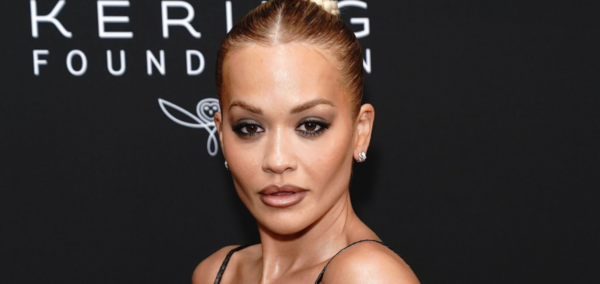
Rita Ora sued by her former manager in £3million legal battle over missing tour and TV cash
‘It’s sad it has had to come to this’
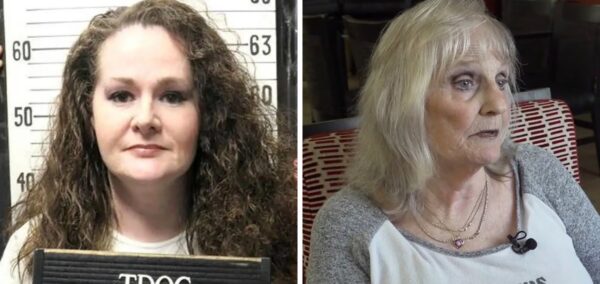
‘No remorse’: Victim’s mother speaks out as Christa Pike set to be executed after 30 years

She is travelling to Tennessee to witness her execution
Reality TV star found guilty of murdering wife after his AI songs about affair played in court
The woman he had an affair with testified against him in court


How to spot a nightmare flatmate at UofG

Recognise the red flags early and save yourselves from hell


The Glasgow Uni Freshers starter pack

Essentials only… and some extras obviously cause we all need a treat
Sarah Paulson shares why playing Aileen Wuornos in Monster left her genuinely scared
She’s played witches and monsters, but the Lizzie Borden show was daunting
Justice for Mrs Borden! Every egregious lie Netflix’s Monster told about Lizzie’s stepmum Abby
Netflix turned victim into villain

Where the vibey Great British Bake Off 2026 cast went to university, and what they studied
Two contestants were uni students during the show
Newcastle University faces criticism over appointing oil billionaire as sustainability professor

‘Universities are supposed to be places that question power and hold corporations to account’
Director on why difficult scene in The Lizzie Borden Story made Netflix crew cry
‘It was really humbling’