
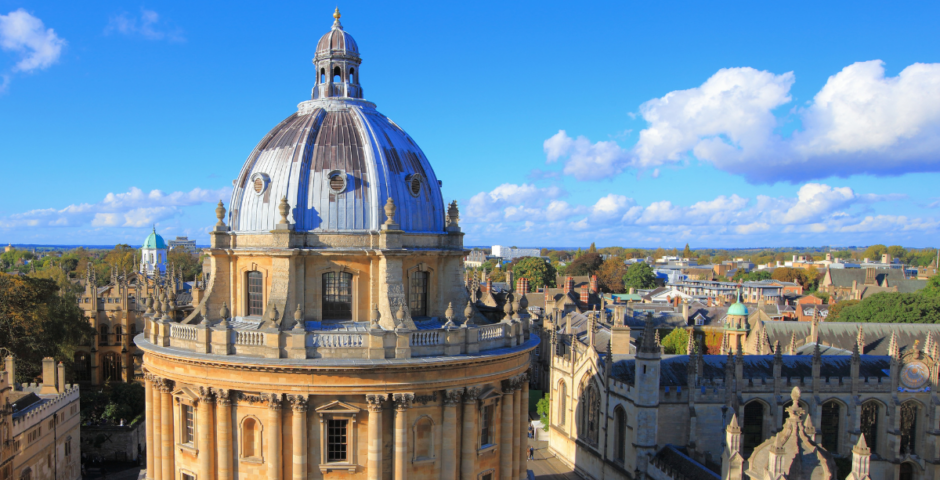
University of Oxford offer holders lose High Court challenge to ‘visa brake’
The policy prevents nationals from Sudan, Afghanistan, Cameroon and Myanmar from applying for student visas

A High Court judge has dismissed the legal challenge brought by seven students after the government’s ban on student visas from four countries.
In March, the government imposed a “visa brake” on Sudan, Afghanistan, Cameroon, and Myanmar following what they describe as “a surge in asylum claims from legal routes” and “visa abuse.”
This decision suspends student visa applications from these four countries for 18 months and estimated that this would stop 4,300 student visas being issued.
Claims brought by seven prospective students impacted by the “visa brake” were dismissed by a High Court judge, Mrs Justice Steyn.
Among the students hoping to overturn the measure were Razan Awad Fageer Farah and Rawan Raad Hassan Elrufai – both Sudanese doctors holding master’s offers from the University of Oxford. Dr Elrufai was offered a place on the International Health and Tropical Medicine MSc and Dr Farah was offered a place on the Applied Digital Health, with aims to “advance digital health in Sudan.”
The University of Oxford agreed to keep open their offers until this past Monday while they awaited an outcome from the legal challenge. Dr Elrufai’s Africa Oxford Initiative Mastercard scholarship offer was also placed on hold during this time.
‘[P]rofound and lasting consequences’
Most Read

‘We deeply regret these circumstances’
Latest

Zoella and Alfie have been spotted in New York, after months away from social media

They’ve been out of the spotlight
Bus confused? A Durham student’s guide to the bus
Your guide to the cheapest and easiest way to get around Durham
Stepdad accused of murdering Lancashire student declines to give evidence during trial

Nathan Owens, 34, allegedly attacked and killed his step-daughter at her accommodation in Preston
New to Exeter? Here are eight things to add to your uni bucket list

From EGB and Varsity to beach days in Exmouth, here are things you must tick off before you leave
Guarding the Queen to freestyle rapper: The odd jobs The Celebrity Traitors cast had before fame

Sharon Rooney used to teach kids about water safety
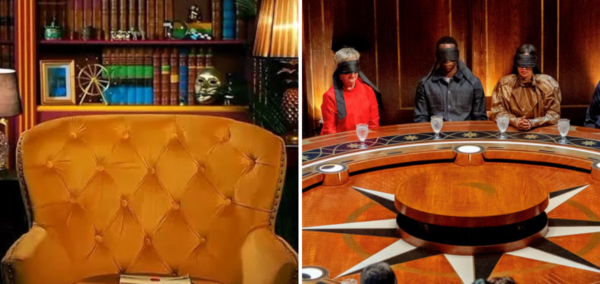
The Traitors has three identical diary rooms so several players can film at the same time
There are also six cloaks

Love Island’s Lucinda shares honest update on what her relationship with Sean is really like

She admitted they argued a lot at the start of their relationship

I knew about Sebastian, but I didn’t realise that four of The Celebrity Traitors cast are queer
It’s basically a big gay party and I’m here for it
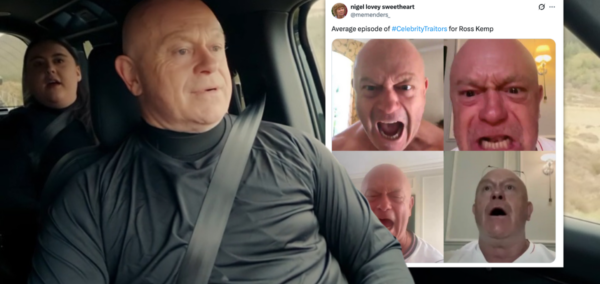
After everything Ross Kemp has survived, it’s Celebrity Traitors that finally broke him
He’s done all this but Bella Ramsey broke him with simply a hat
As they prepare to be parents, here’s a look at the net worths of Love Island’s Tyrique and Samie
One is considerably richer than the other

Family pays tribute as model and Justin Bieber’s ex passes away aged 34
She left behind a baby daughter
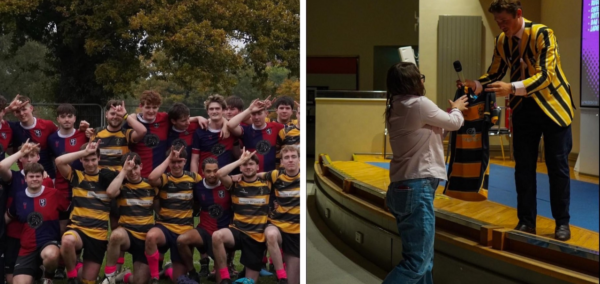
University of York Rugby Union taking over campus with charity fundraiser

UYRUFC’s Ladies Day returns on Friday 23 Oct to raise money for The Pink Ribbon Foundation

Considering Uni of Warwick? Here’s the ultimate guide to campus accommodation

Because it’s never too early to start planning
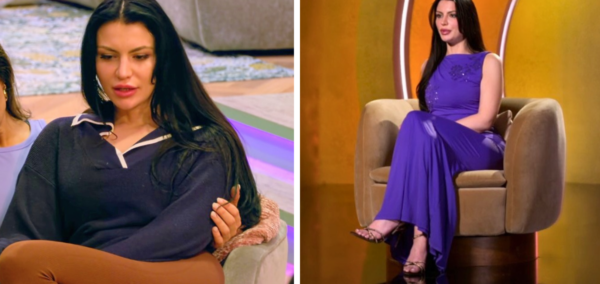
A deep dive into Benita’s job outside of Love Is Blind, and her side hustle as a model

Benita also wrote a book
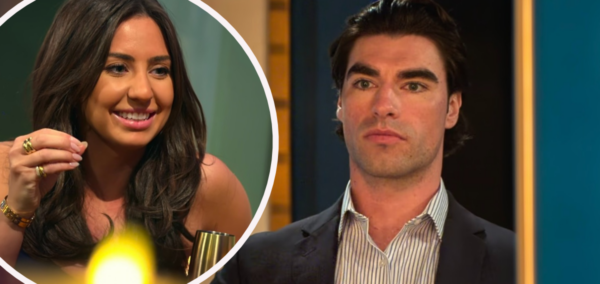
Love Is Blind’s Stew reveals what Jax DM’d him after calling off engagement and quitting the show
According to him, she was quick to reach back out

The age gaps of the Love Is Blind US season 11 couples who managed to lock it in
Michaella and Rob have the biggest age gap
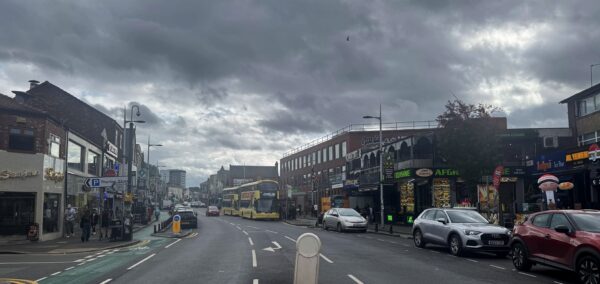
Will Manchester’s Curry Mile replace its name as South Asian restaurants become scarce?
The end of the curry house era