

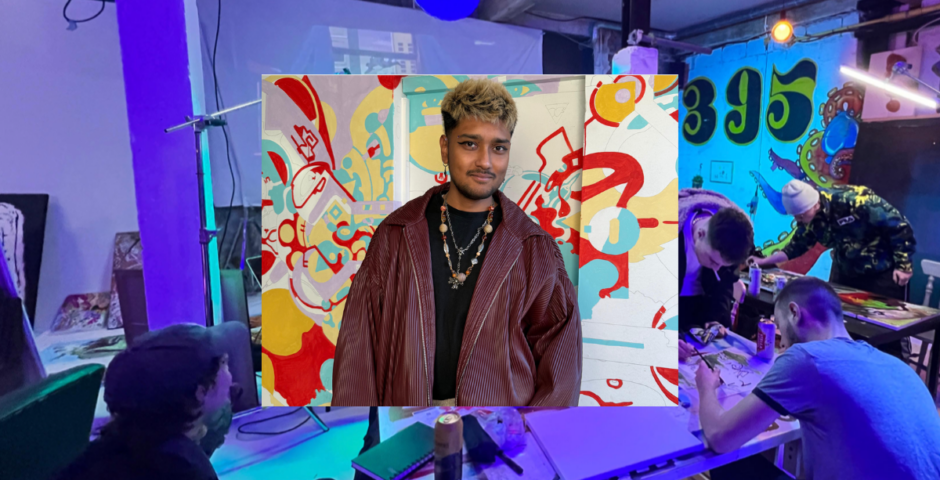
‘Grassroots means small’: Bristol grad and Club395 founder’s visa rejection puts venue at risk
MP Carla Denyer urged the Home Office to rethink criteria she says fail to reflect ‘the reality of grassroots culture’
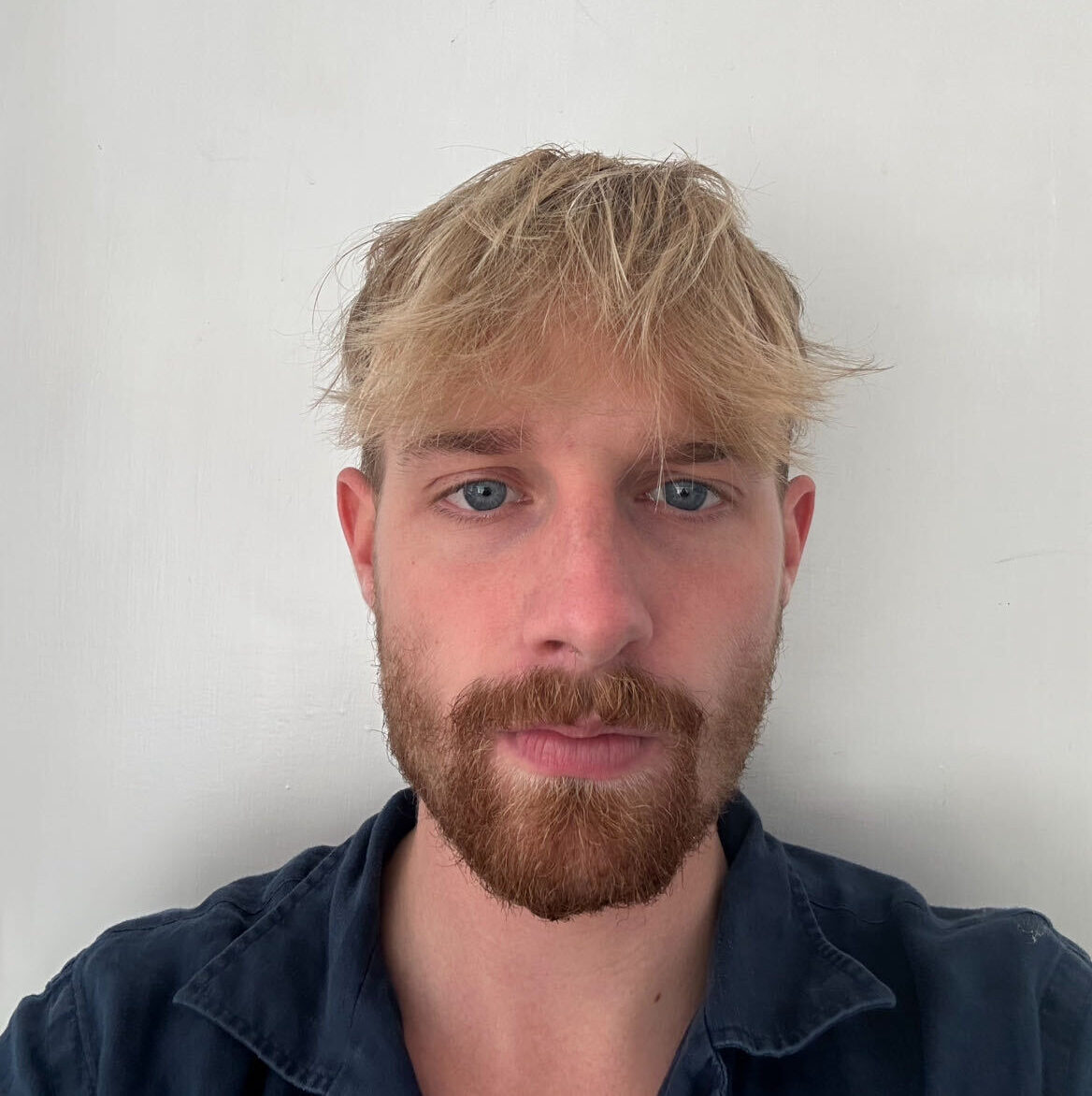
A Bristol grassroots arts organiser and UWE graduate may have to leave the UK after their Global Talent Visa was rejected – despite guidance stating that grassroots programmers are eligible.
Ridwanul Shakib (Ray), a Bangladeshi-born creative, is the co-founder of the arts and music venue, Club395. They are also the founders of the Bristol Creative Co, a public benefit initiative and have hosted hundreds of community events.
Ray’s Graduate Route Visa expired in October 2025, and they have since applied for the Global Talent Visa. This visa requires endorsement from the Arts Council, which has a department working with the Home Office.
In 2020, Ray moved to Bristol and studied at UWE. The aspect of community in the city and its cultural identity had a great effect on them, and they went on to host hundred of events at Club395 and built a communal space for creatives to explore their passions.
In the visa guidance, grassroots music programmers such as Ray were welcome to apply. Their application was rejected, however, due to “the cracks in their assessment process”. The grounds for rejection were that their events are not covered by national media outlets, the events were too small, and that they curate those events at their own venue.
Just yesterday, MP Carla Denyer wrote a letter to Home Secretary Shabana Mahmood, urging her to update the requirements for the Global Talent Visa. Posting the letter on her Instagram, she said:
“I urge the Govt to update the criteria to reflect the reality of grassroots culture. It’s clear Ray is exactly the type of person the Global Talent visa was designed to retain: someone who contributes to the UK cultural fabric, provides employment and support in their local community. But it’s not working, so I’ve written to the Home Secretary.”
Speaking to The Bristol Tab, Ray explained: “Grassroots mean it is not going to be covered by national media outlets. Grassroots means it is not going to be a 1,000 capacity venue. Grassroots means it is going to be small and community oriented. The people doing these assessments do not understand Grassroots culture.
“They said putting on events in other venues shows more of a talent than putting them on in my own venue.”

Photo via Ridwanul Shakib
Explaining their first impressions of the city, Ray said: “When I first came to Bristol, I went to the Harbourside and just watched as all these different characters expressed their identities in different ways. It felt like I was in a circus. I always felt like a kind of misfit in Malaysia and Bangladesh, but here I felt like everyone was a misfit.
“It was beautiful, and I felt really comfortable to explore who I am and who I can be. Immediately, I felt I wanted to protect this city and amplify what this city has.”
On the day of their graduation, Ray decided not to attend as their mum could not travel from Bangladesh to be there. Another kind of graduation occurred that day, however.



Having become invested in the grassroots identity of Bristol, they came across 395 studios back when it was a film studio. They were given an hour to decide if they wanted to take over the studio, or leave it to be given back to the landlord.
Ray took it, and from that decision came the community hub and a home for creatives, Club395, which they ran with their cofounder Kwazi. It became a space where people could explore passions they wished to pursue, something Ray wanted during their time at University. The day “felt like it was meant to be.”

Carla Denyer, Green Party MP at Club395 – Photo via Ridwanul Shakib
As a “third space”, 395 has “helped develop people who had a lot of potential”, serving as a lifeline for artists. It hosts free or low-cost access to its “open sessions” which provide a multitude of equipment for people to use. It has “convinced and nurtured” inexperienced performers to perform, many of whom have since performed at festivals like Glastonbury, Boomtown, and Love Saves The Day. As a community space, it has brought together creatives such as DJs, singers, cabaret performers, film makers and artists, under “one big creative umbrella”.
Meanwhile, it has also served as a safe space for people through their queer residencies while also uplifting communities in events such as their South Asian Showcases.

Ray also started an online streetwear brand in Bangladesh when they were 19, which instilled in them the confidence to take on the project. The money from their past business, side work, alongside fundraising from the community supported Ray in building up this creative space from the ground up.
However, they worry about the mounting pressure that grassroot venues and community projects face, after experiencing first hand the financial difficulties it entails – such as licensing pressures – that forced them to take on personal debt in order soundproof the venue and continue operating responsibly.
“Costs are constantly rising. People’s spending power is decreasing as they struggle with their income levels in line with living standards. It is a deeper problem that is reflected in the struggles our venue has faced. Local restaurants, takeaway spots, independent shops in Stokes Croft, all independent businesses are struggling.”
Under conditions where rising living standards coerce people into isolation, communal spaces such as Ray’s 395 are more important than ever. Yet more and more, the very grassroots culture Bristol is grounded upon is becoming invisible unless you have the money to access it.
Ray can appeal the decision of the Arts Council but can’t send in new evidence. If they leave the country, they would need to reapply with new evidence through a costly visa application. Other options include getting a sponsored job with a UK employer offering a 40,000 salary threshold, that are “far beyond what a grassroots venue can realistically pay.” Ray says “there are no other visa pathways for people like me.”
The Home Office has been approached for comment
Latest
First week back at uni? Here’s everything you need to pack in your bag

Mary Poppins is quaking in her boots…
London university releases statement after professor sentenced for a child sexual offence

Barry Langford was a Professor of Film Studies at Royal Holloway


Young father-of-two died on day he was due to start at University of Glasgow

Young father tragically passes away at 24 years old after suffering a brain aneurysm

Bella Ramsey’s specific acting career gives them ‘an edge’ on Celebrity Traitors (they hope)
Their past roles have prepped them for Missions

12 of The Celebrity Traitors season two cast asked to be Traitors, and six to be Faithfuls
Three celebs couldn’t make up their minds

Maya Jama’s game plan for Celebrity Traitors is to avoid trying ‘too hard’ or ‘overthinking’
This is really devious tbh

Newcastle University buildings evacuated after ‘suspicious item’ found on campus

Police, fire crews, and fire engines arrived at the scene

12 things every Fresher gets wrong in their first few weeks at uni

From wearing your lanyard everywhere to leaving your washing-up until it grows its own ecosystem

Our Celebrity Traitors predictions include Maya Jama turning on her fellow Traitors

Here’s what we think will happen

I’ve just realised that three cast members from Celebrity Traitors were in Game of Thrones

Having flashbacks to Bella Ramsey being crushed by a giant



23 to 70: The ages of the Celebrity Traitors 2026 cast, from youngest to oldest

There’s a huge age range this year

James Blunt was a British Army captain before becoming a singer and joining Celebrity Traitors
He mentioned it on the show

Monster director finally admits why they forced Aileen Wuornos in a show about Lizzie Borden
Despite the name, Lizzie Borden is not the focus of the story
Shows and films you can watch about Aileen Wuornos, where she isn’t thrown into another story

Others tell her entire case, unlike Monster on Netflix

This viral tool lets you customise your Apple Pay cards, and here’s how to do it
You can personalise the entire design

James Acaster could be the Celebrity Traitors’ recruit, as filming reportedly paused for him
It’s not much of a cliffhanger

The ridiculous fortunes of The Celebrity Traitors: Their net worths, from £500K to £50 million
One of them could legit buy the castle three times over