
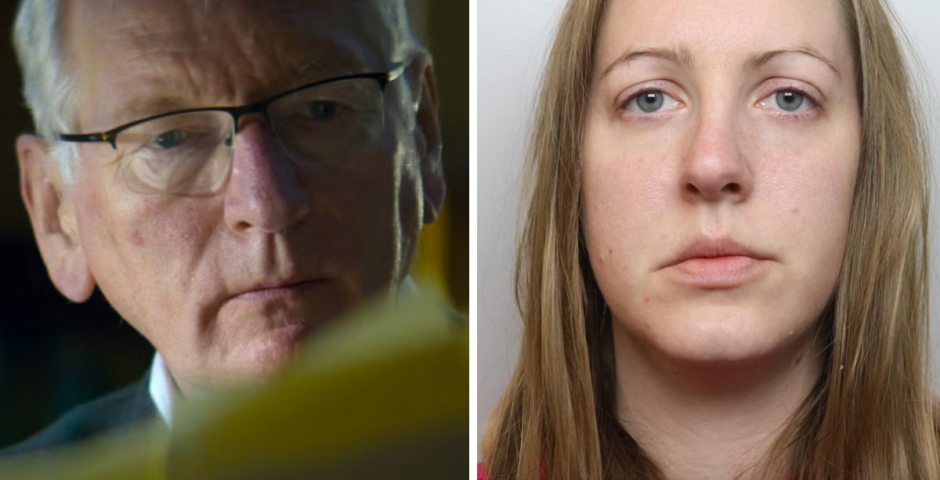
Who is Dr Dewi Evans? All the controversies around the Lucy Letby trial’s expert witness
People are doubting his evidence

A new Netflix documentary, The Investigation of Lucy Letby, has reignited debate around one of the most controversial figures in the British nurse’s criminal case: Retired paediatrician Dr Dewi Evans.
The series revisits the evidence and testimony that helped secure Letby’s convictions for the murder and attempted murder of multiple infants, and raises fresh questions about the expert witnesses prosecutors relied on. Chief among them is Evans, whose medical opinions became a central pillar of the prosecution’s case despite ongoing criticism from legal teams and some medical experts.
So who exactly is Dr Dewi Evans, and why is his role still causing such heated debate?

Netflix
He’s a retired paediatrician turned expert witness
Dr Dewi Evans, now in his mid-70s, is a former consultant paediatrician with experience in neonatology, the specialised care of newborn babies. After retiring from clinical practice in 2009, he began working as a medical expert witness in court cases.
According to The Guardian, Evans first became involved in the Lucy Letby investigation in 2017 after learning about a cluster of infant deaths and unexplained collapses at the Countess of Chester Hospital. He proactively contacted authorities to offer assistance and soon began reviewing medical records linked to the investigation.
His analysis became central to the prosecution
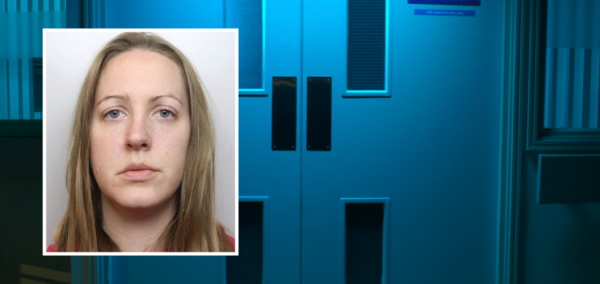
Letby was arrested in 2018 and formally charged in 2020. When her trial began in 2022, Evans played a key role for prosecutors.
Because there was no direct forensic evidence and no eyewitness testimony of wrongdoing, expert medical interpretation became crucial. Evans reviewed babies’ records and concluded that some deaths were consistent with deliberate harm, including the alleged injection of air into infants’ bloodstreams.
According to the transcript, neither Evans nor Dr. Sandie Bohin, another lead expert for prosecutors, had any “significant, direct experience” of patients with an air embolus.

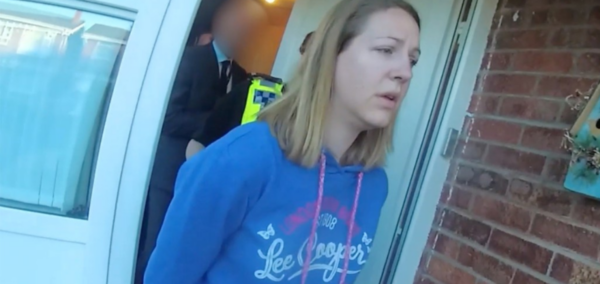
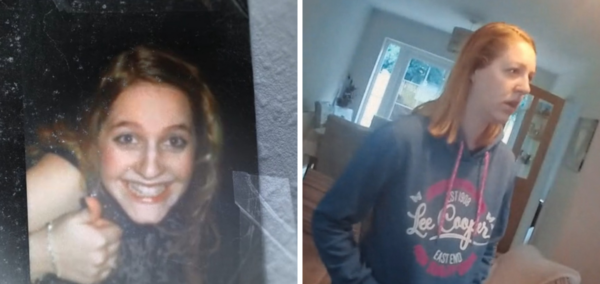
Cheshire Police
People have challenged his expertise and impartiality
Evans’s testimony has been strongly contested both during and after the trial.
Letby’s defence lawyer accused him in court of shaping conclusions to fit a prosecution narrative, claims Evans denied. The trial judge ultimately allowed his evidence to stand.

Outside the Letby case, a senior judge in another matter had previously criticised Evans for allegedly failing to provide a balanced opinion. Some legal and academic experts have also raised concerns about the role and responsibilities of expert witnesses more broadly, arguing they must remain strictly impartial.
Lord Justice Jackson said Evans “makes no effort to provide a balanced opinion”, later boasting publicly he had lost only one court case over 35 years of experience as an expert witness.
“That is entirely inappropriate. An expert should not be concerned about the outcome of a trial, only about providing independent evidence,” Gillian Tully, a professor at King’s College London, told The Guardian.
Questions emerged after the conviction
Controversy intensified after Evans submitted an updated report regarding one infant known as “Baby C”. A prosecution claim had relied on an X-ray showing a large air bubble that Evans described as suspicious, but it later emerged Letby was not on duty when that image was taken.
Evans has said the confusion stemmed from mixed-up dates and maintains his overall conclusions remain valid. Letby’s legal team, however, argues the change raises doubts about the reliability of the prosecution’s medical evidence.
International experts have publicly disagreed
Further debate followed when an international panel of clinicians led by Dr Shoo Lee, co-author of one of the papers cited during the trial, concluded there was no medical evidence that infants had been deliberately harmed by air injections.
Panel members said alternative medical explanations for deaths were plausible. Evans has strongly rejected their conclusions, questioning how the panel was assembled and standing by his original analysis.

Netflix
Why he remains such a controversial figure
Supporters of the prosecution argue Evans provided essential medical expertise in an extraordinarily complex case. Critics counter that heavy reliance on contested expert opinion, especially where no direct forensic evidence exists, raises serious questions.
With the Netflix documentary bringing renewed public scrutiny, debate around Evans’s role, the strength of expert testimony, and the broader fairness of the trial is unlikely to fade anytime soon.
For all the latest Netflix news and drops, like The Holy Church of Netflix on Facebook.
Featured image credit: Netflix, Cheshire Police
Latest
From University of Edinburgh Student to Edinburgh Councillor, Ruth Elliot Reflects on her Journey into Politics

In a conversation with The Edinburgh Tab, Ruth Elliot discusses student life, her role as Vice President Community, and her goals as councillor
Slow Horses season six isn’t the same, so here’s why the show’s creator Will Smith quit

‘I sadly couldn’t keep going’
Bonnie Blue’s video birthday messages to 16-year-olds are the final nail in the coffin

‘Maybe one day, me, you, and your dad can take a trip’
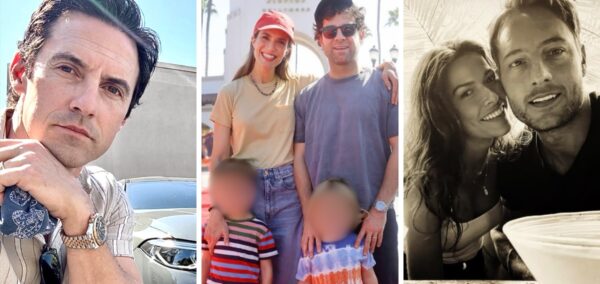
It’s been a whole 10 years since This Is Us started, so here’s where the cast are now

Justin Hartley re-married in the same year he divorced Chrishell Stause
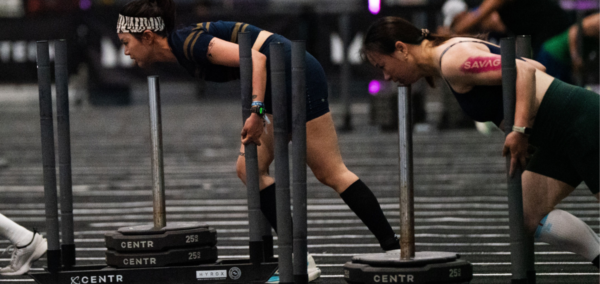
HYROX has actually just added new ‘faeces’ rule, so here’s what it means for athletes

Joanna Wietrzyk should consider herself lucky
Calling all aspiring journalists and content creators: Join The London Tab!

Come to our open meeting on Tuesday 29th September, 7pm at the Institute Bar
Billionaire who paid actress $4.5million to marry him wants cash back after she sacked him off
The crypto tycoon paid a ‘bride fee’
I’m a first-class Leeds grad, but it took me two years and 120 applications to find a job

Maddy was once told she wasn’t offered an interview because her application was ‘too far down the pile’
Kelly Osbourne reveals the moving thing father Ozzy told her three days before he died
He wanted her to know this

Lancaster University student wins national award for flooding research project
According to research, the flood risk in Grasmere may be substantially greater than anticipated
Angry HYROX athlete details silly reason he was disqualified after pooing woman wins
He finished the whole race, but was slapped with the disqualification after
All the celebrities publicly calling out Ed Sheeran after Macklemore is dropped from tour
Loads of actors and musicians are speaking out against him
Ed Sheeran branded ‘coward’ as treasure trove of receipts resurfaces after response to Macklemore
Mr ‘I’m not political’ turns out to be very political
HBO casts three more actors in the Harry Potter TV show – here’s what they had to say about it
Moaning Myrtle’s actor understands ‘the significance and responsibilities’
People are just finding out what HYROX really stands for and the backstory is giving them the ick
I don’t know what’s worse, the poop story or this
Love Island couple confirm split as she moves out of home they shared after the villa
This is all so quick!

‘Pull up!’: Video inside NBC helicopter captures final moments and last words of those killed
The helicopter was covering a bus accident when it went down on Tuesday

This Love Island 2026 couple are finally official and the other Islanders are freaking out
Their reactions are brilliant
All three opening acts and Ed Sheeran’s own band quit tour after Macklemore was dropped
‘Artists must not be silenced’