


UoM study finds gaming and social media are not to blame for teen mental health issues
Those pesky phones might not be to blame after all

A recent study from the University of Manchester has found little evidence that increased time spent on social media or gaming platforms causes anxiety or depression in young people.
This challenges the widespread belief that screen time is the culprit for an increased likelihood of children having mental health problems.
The study is one of the largest of its kind, including over 25,000 pupils across Greater Manchester as part of the #BeeWell programme, an initiative aiming to improve mental wellbeing in young people.
Researchers tracked the social media and gaming habits of 11-14 year olds over three years and found no evidence that more time spent online was associated with increased symptoms of anxiety and depression in boys or girls.
They also found that the actual habits of young people – whether actively chatting or passively scrolling – made no difference.


“Our results do not support the idea that simply spending time on social media or gaming leads to mental health problems – the story is far more complex than that,” said lead author Dr Qiqi Cheng.
The researchers acknowledged that this does not mean online experiences are without harm, and emphasised that online pressures and hurtful messages do have an important impact on mental wellbeing. However, they argue that focusing on screen time alone ignores the bigger, more complex picture.
“Rather than blaming technology itself, we need to pay attention to what young people are doing online, who they’re connecting with and how supported they feel in their daily lives,” suggests Professor Neil Humphrey, co-author.
Social media is increasingly under scrutiny following the introduction of world’s first social media ban for young people in Australia in December 2025, with calls for the UK government to follow suit by implementing similar measures.
Featured image via Canva

Latest
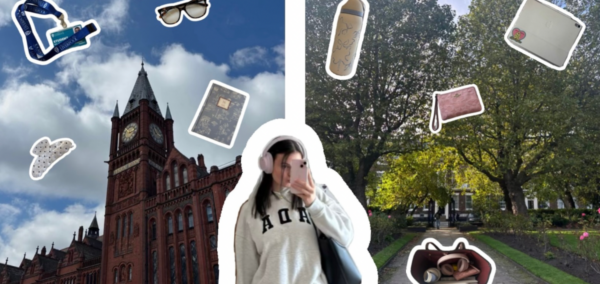
First week back at uni? Here’s everything you need to pack in your bag

Mary Poppins is quaking in her boots…

London university releases statement after professor sentenced for a child sexual offence

Barry Langford was a Professor of Film Studies at Royal Holloway


Young father-of-two died on day he was due to start at University of Glasgow

Young father tragically passes away at 24 years old after suffering a brain aneurysm
Bella Ramsey’s specific acting career gives them ‘an edge’ on Celebrity Traitors (they hope)
Their past roles have prepped them for Missions
12 of The Celebrity Traitors season two cast asked to be Traitors, and six to be Faithfuls
Three celebs couldn’t make up their minds
Maya Jama’s game plan for Celebrity Traitors is to avoid trying ‘too hard’ or ‘overthinking’
This is really devious tbh

Newcastle University buildings evacuated after ‘suspicious item’ found on campus

Police, fire crews, and fire engines arrived at the scene
12 things every Fresher gets wrong in their first few weeks at uni

From wearing your lanyard everywhere to leaving your washing-up until it grows its own ecosystem
Our Celebrity Traitors predictions include Maya Jama turning on her fellow Traitors

Here’s what we think will happen
I’ve just realised that three cast members from Celebrity Traitors were in Game of Thrones

Having flashbacks to Bella Ramsey being crushed by a giant


23 to 70: The ages of the Celebrity Traitors 2026 cast, from youngest to oldest

There’s a huge age range this year
James Blunt was a British Army captain before becoming a singer and joining Celebrity Traitors
He mentioned it on the show
Monster director finally admits why they forced Aileen Wuornos in a show about Lizzie Borden
Despite the name, Lizzie Borden is not the focus of the story
Shows and films you can watch about Aileen Wuornos, where she isn’t thrown into another story

Others tell her entire case, unlike Monster on Netflix
This viral tool lets you customise your Apple Pay cards, and here’s how to do it
You can personalise the entire design
James Acaster could be the Celebrity Traitors’ recruit, as filming reportedly paused for him
It’s not much of a cliffhanger

The ridiculous fortunes of The Celebrity Traitors: Their net worths, from £500K to £50 million
One of them could legit buy the castle three times over