
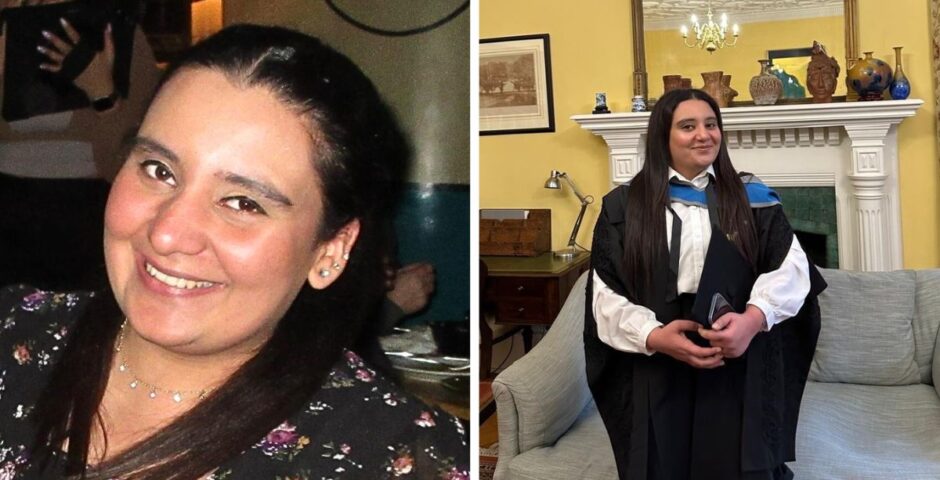
LSE student wins pay out over incorrect grade that made her miss Cambridge offer
The payment initially came with a confidentiality clause

A student at the London School of Economics has successfully challenged her dissertation grade after claiming that the marking procedures were unfair.
Rehab Asab Shaikh received a mark of 57 on her dissertation, which was much lower than she had been expecting.
The low mark brought down her average grade and meant she missed out on her dream offer to study Modern South Asian Studies at the University of Cambridge.
Shortly after graduating, Rehab tried to challenge her grade, suspecting an issue with the marking process.
She said: “I wasn’t devastated by the grade itself. What broke me was how much love and thought I’d poured into that piece of work.
“I couldn’t understand how my dissertation, the project I cherished the most, could be worth a 2:2. I just knew that a 57 wasn’t warranted. My friends also were confused as to what grades they were getting.”

via SWNS
After submitting a Freedom of Information request in July 2023, Rehab discovered that her dissertation was single-marked, meaning that only one examiner had been involved in the marking process, as opposed to the double-blind marking that students had expected.
The request also revealed that over half of LSE students’ dissertations were single-marked in 2023, something which LSE blamed on the 2023 marking and assessment boycott.
After making these discoveries, Rehab submitted two academic appeals and a procedural complaint, none of which were reviewed.
She explained: “I challenged the process, submitted complaints, I did everything. But LSE said the process was robust.”
“I really wanted to publish my dissertation – that was the basis of me applying for my masters degree. I didn’t do any of that because my grade was a 57″, she continued.
The marking discrepancy meant that Rehab missed out on potential scholarship options for her course at the University of Oxford, which she said put her family under financial strain.
Ten months after she first submitted her appeals, LSE offered her £100, which came with a confidentiality clause.
After Rehab refused the payment and wrote to the Office of the Independent Adjudicator about her situation, the offer was upped to an £800 payment accompanied by a remark of her dissertation, which she accepted.
“They said ‘we’re offering this to put Rehab at ease'”, she recalled.

via SWNS
After the remark, her grade was increased by 15 marks to a 72, bringing her grade up to a first class. Her degree transcript was reissued in 2025.
She said: “It was validation for me. But secondly I had a lot of anger, I wouldn’t have had to prove myself for nearly 3 years.”
The incorrect grade was not the only issue with Rehab’s transcript. She was also incorrectly listed as a joint winner of the David Piachaud Prize for conspicuous achievement.
LSE said that the award was entered “in error”, but awarded her the prize regardless, “in light of the obvious distress and anxiety” it caused.
Rehab said the confusion around the various errors caused her to suffer from insomnia and panic attacks: “I got letters from a psychologist and doctors.”
“The award could have given me leverage with Cambridge”, she said.
A barrister appointed by LSE for a review said “the fact that the second mark was higher than the original mark does not show that the original mark was wrong or unsafe or that there was an issue with ‘marking standards’ during the marking assessment boycott.”
After sharing her experience online, Rehab received over 9000 reactions: “As soon as I posted there were so many people who reached out.”
She has since sought further legal advice.
An LSE spokesperson said: “We cannot comment on a case that is ongoing.”
For more of the latest news, guides, gossip and memes, follow The London Tab on Instagram, TikTok and Facebook.
Featured image via SWNS
Latest
First week back at uni? Here’s everything you need to pack in your bag

Mary Poppins is quaking in her boots…
London university releases statement after professor sentenced for a child sexual offence

Barry Langford was a Professor of Film Studies at Royal Holloway

Young father-of-two died on day he was due to start at University of Glasgow

Young father tragically passes away at 24 years old after suffering a brain aneurysm
Bella Ramsey’s specific acting career gives them ‘an edge’ on Celebrity Traitors (they hope)
Their past roles have prepped them for Missions

12 of The Celebrity Traitors season two cast asked to be Traitors, and six to be Faithfuls
Three celebs couldn’t make up their minds
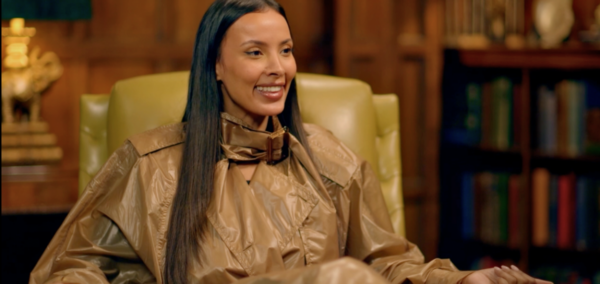
Maya Jama’s game plan for Celebrity Traitors is to avoid trying ‘too hard’ or ‘overthinking’
This is really devious tbh

Newcastle University buildings evacuated after ‘suspicious item’ found on campus

Police, fire crews, and fire engines arrived at the scene
12 things every Fresher gets wrong in their first few weeks at uni

From wearing your lanyard everywhere to leaving your washing-up until it grows its own ecosystem
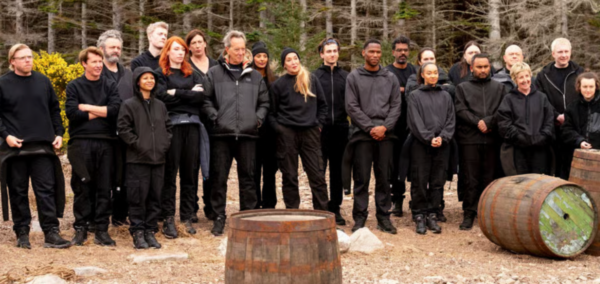
Our Celebrity Traitors predictions include Maya Jama turning on her fellow Traitors

Here’s what we think will happen
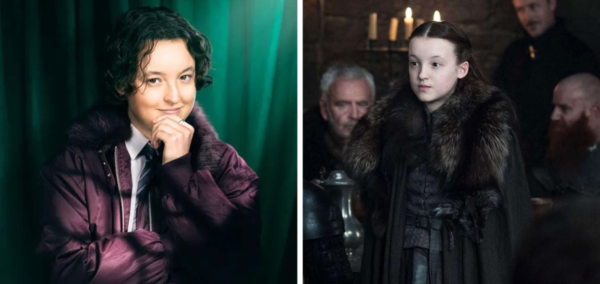
I’ve just realised that three cast members from Celebrity Traitors were in Game of Thrones

Having flashbacks to Bella Ramsey being crushed by a giant


23 to 70: The ages of the Celebrity Traitors 2026 cast, from youngest to oldest

There’s a huge age range this year
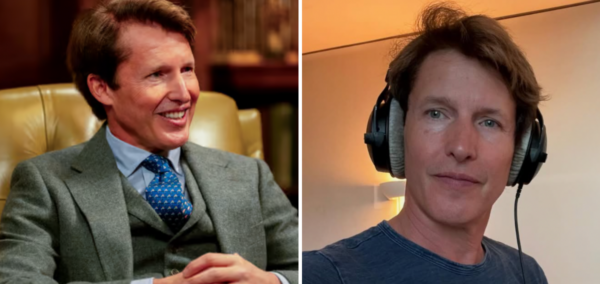
James Blunt was a British Army captain before becoming a singer and joining Celebrity Traitors
He mentioned it on the show
Monster director finally admits why they forced Aileen Wuornos in a show about Lizzie Borden
Despite the name, Lizzie Borden is not the focus of the story
Shows and films you can watch about Aileen Wuornos, where she isn’t thrown into another story

Others tell her entire case, unlike Monster on Netflix
This viral tool lets you customise your Apple Pay cards, and here’s how to do it
You can personalise the entire design

James Acaster could be the Celebrity Traitors’ recruit, as filming reportedly paused for him
It’s not much of a cliffhanger
The ridiculous fortunes of The Celebrity Traitors: Their net worths, from £500K to £50 million
One of them could legit buy the castle three times over