
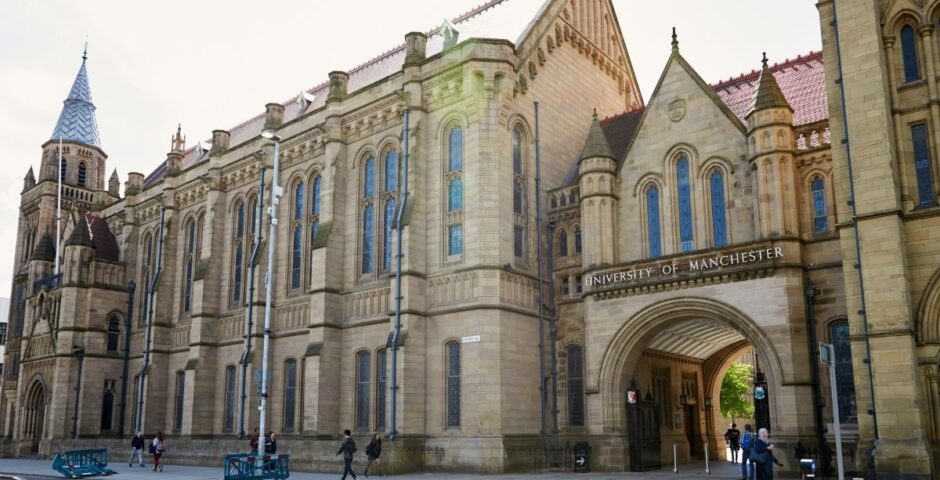
‘Sloppy work’: University of Manchester staff member wins tribunal over misgendering claim
Karenne Sylvester argued that the university had discriminated against her on the basis of disability

A University of Manchester employee who was accused of harassment for misgendering a transgender colleague has won an employment tribunal case against the institution.
Karenne Sylvester was found by university investigators to have repeatedly used incorrect pronouns when referring to a colleague, an action the tribunal heard caused the colleague distress. As a result, Ms Sylvester was moved to a different team, a decision she said damaged her career prospects.
At an employment tribunal in Manchester, Ms Sylvester argued that the university had discriminated against her on the basis of disability. She told the tribunal that her short term memory difficulties, linked to dyspraxia, affected her ability to consistently remember the correct pronouns for a colleague who had transitioned from female to male.

via Canva
Ms Sylvester, who had worked as a learning technologist at the university since 2018 and was diagnosed with dyspraxia in 2011, said managers failed to properly consider the impact of her condition during the investigation.
The tribunal agreed, ruling that those handling the harassment complaint had “ignored” the likelihood that her disability contributed to the misgendering. Ms Sylvester will receive compensation, with the amount to be decided at a later date.
Dyspraxia, while commonly linked to difficulties with physical coordination, can involve wider and more complex challenges, the tribunal heard. It was described as a condition that affects how the brain processes and transmits information.
After an incident involving a transgender colleague, identified as CD, Ms Sylvester was instructed not to have “physical interaction with the rest of her team” and was required to book a room when working on campus to ensure she did not encounter CD.
During a meeting about the incident, Ms Sylvester told investigators Stuart Phillipson and Martin Banks that “her dyspraxia made it more difficult for her to gender CD correctly.”
Despite this, Mr Phillipson, an e-learning manager, and Mr Banks, a lead people partner, concluded that she had “persistently used the incorrect pronoun over a period of time.”
The tribunal later criticised the appeal process, finding that the panel had carried out some “sloppy work” and failed to complete some “basic due diligence.”
Latest

G Flip ‘initiated split’ as Chrishell announces their marriage is over after three years

I really thought these two were forever
UCL wrongfully gave over £5,000 in travel expenses to President and his wife
Michael Spence, UCL’s President and Provost, had previously come under scrutiny for expenses claimed in his old job as vice-chancellor of the University of Sydney
The oddly bland men from the Love Is Blind US season 11 cast, ranked by red flags

I can’t move beyond Blake’s mullet
Love Is Blind viewers are obsessed with Rob’s mum, so here’s a closer look at their bond
Rob called her ‘stronger than anyone’ he knows

Never heard of Falloween? A 2026 costume guide for all uninspired Manchester students

For the last-minute panic buyers who don’t want to join the clan of Ali G’s every year in Manchester
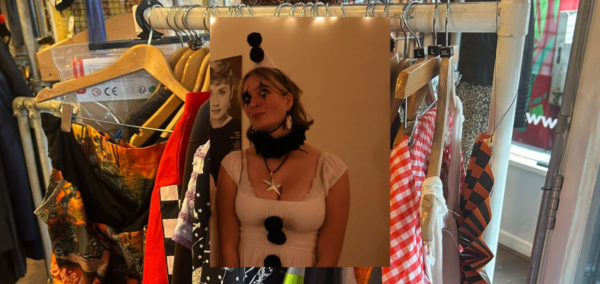
Don’t fall back on fast fashion this Halloween

For all those Bristol students desperate for an excuse to get back into the charity shop x
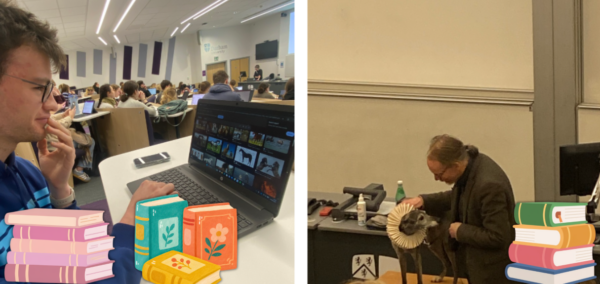
From the humanities students: Ten tips for your first term at Durham

Everything humanities students need to survive and thrive
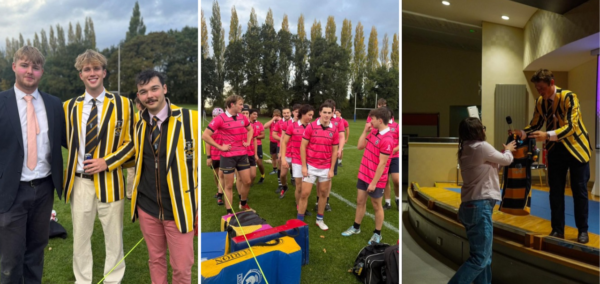
UYRUFC achieve a ground breaking Ladies Day

The club successfully raised over £5,000 for Pink Ribbon Foundation, breaking UYRUFC club records

Altra Yorkshire Marathon sees record number turnout

Thousands of runners gathered on 18 October to set off from University of York campus for the marathon

The Celebrity Traitors has ‘off days’, but rules dictate what the cast can do off-camera
Joe Lycett painted Rob Beckett
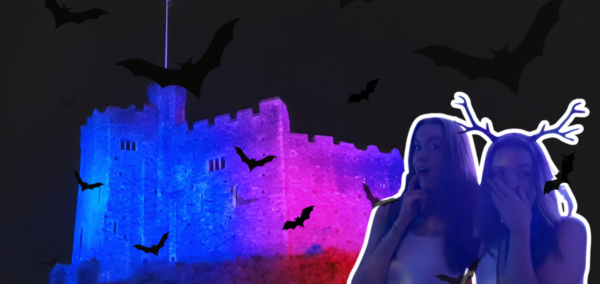
How to have the spookiest Halloween in Cardiff without breaking the bank

If your bank balance isn’t keeping you up all night, these Halloween plans might

Selena Gomez to Doja Cat: The celebrities who’ve opened up about their vaping habits
Many are trying to quit
Revs or MASH? Cambridge students have finally spoken
Here’s how students actually feel about Cindies’ MASH takeover

How to spend 24 hours in Manchester like you’re in a Gilmore Girls episode

From crunchy leaf walks to here’s your very own guide to romanticise this season

Cambridge on a plate: Unique independent food spots around the city
I visited a range of proudly independent Cambridge food spots to give you my verdict
James Acaster reveals Celebrity Traitors contestants hear The Hanging Tree over and over again

It’s left people ‘traumatised’
This is exactly how you would win The Traitors, based on your Leeds degree

Now reveal yourself: Aare you a Traitor or Faithful?

The best Halloween costumes you can make with clothes you already have

Let’s beat the last-minute panic together
Human remains removed from Glasgow museums due to controversial ‘consent’ issues

Both the Kelvingrove Art Gallery and the Hunterian Museum have removed parts of their Egyptian display due to lacking ‘consent’ from the deceased

Here’s which type of player each Lancaster college would be on The Traitors

At Lancaster, anyone could be a traitor