

The Bristol bubble: student experience of term breaks at the University of Bristol
In case you forgot: It is not normal to go on three holidays over the summer

As the Christmas break ends, I commence planning what I hope will be a more stimulating summer than the last. The picture I have in my mind is a summer spent working a mysteriously acquired online job in Denmark or galavanting around Asia on an inexplicable source of income (both of which are tales I have heard from my fellow students). After booking a four-day trip to Barcelona for the Primavera festival that amounts to about half a grand and effectively breaks my summer bank, I am quickly reminded just how unrealistic this extravagant ideal is.
This realisation may come across as out of touch to those outside the Bristol University bubble, and it is. It is ludicrous to feel disheartened about only being able to afford one overseas trip this year (especially as a twenty-year-old in full-time education), given what an absolute privilege this itself is. It is then that I am alerted to just how ingrained my surrounding culture has become.

A 2024 TransPennine Express survey states that two thirds of the UK struggle to afford a single overseas trip in a calendar year. So why does a summer spent largely at home feel like a missed opportunity to some Bristol students?
Roughly a quarter of students attending the University of Bristol were privately educated, compared to the nation’s overall statistic of 7 per cent. The University’s statistic soars even higher for those spending their first year in the North Village. This disparity, in my experience, is most reflected in the way students spend their off-time.
To preface further comments: I myself come from a comfortable middle-class family and have reaped many benefits of this position, though I received a state education. I am surrounded by friends in varying financial positions, but I will draw on the majority of my university experience, which is as follows.
When conversations regarding term breaks arise in social settings, I find myself frequently taken aback by tales of intercontinental travel and months-long trips. Many such conversations end with me probably overstepping when asking: How did you pay for that? This seems to me, however, the most glaring question as someone who gets to keep their loan and works sometimes two part-time jobs yet still cannot fathom affording such extravagant travel.


Some of these answers come forth honestly as being parentally provided, but others do not. Oftentimes, the truth is danced around or obscured by virtue of a lack of awareness of what is normal outside of that privately-educated bubble. This can mean that when it is claimed that the trip is self-funded, these large funds were provided by family as ‘birthday gifts’, or other times that accommodation was free because of friends or family having second homes in these overseas locations. While the former is a direct benefit of familial wealth, the latter is a less obvious advantage provided to those who were educated in a bubble of that 7 per cent: the advantage of wealthy connections.

In other cases, family trips were booked and paid for by parents. I am met with perplexed looks when asserting that this is not the majority experience or a birthright. In all instances, the ability to spend breaks abroad is abnormally available. It is also worth acknowledging that many students find ways of funding working and leisure trips abroad of their own accord.
This is not to criticise those who are blessed with the aforementioned privileges. Who doesn’t utilise the connections and advantages that are available to them? It is, however, to say that in my experience, there is a resounding lack of awareness about just how rare these privileges are in the grand scheme.
Those of us spending uneventful breaks largely at home or working part-time jobs may then forget that this is, in fact, the overarching norm outside of our Bristol University bubble. For many, the financial ability to live and attend the University of Bristol is the ultimate privilege within itself, and we must remind ourselves of this when inundated with social media posts from exotic locations.

There are so many of us spending breaks in something of a suspended animation, ticking off the days with whatever stimulating activity is accessible. Days spent reading, working, or having experiences at home are (I have to remind myself) just as important for personal development and should be enjoyed without the feeling of missing out. On the other hand, if you are lucky enough to have a travel opportunity at your fingertips, acknowledge and appreciate why that may be. There is no one way to spend time off, and all breaks from academic obligation can be spent on cultural enhancement if we want them to be, regardless of a long-haul flight.
Latest

Love Is Blind’s Stew addresses relationship with Jax now, as people spot clue they’re back together

This is all over the place
Five free things to in Liverpool this autumn

When the student finance is running low these activities will keep you occupied x
Just how rich Stew from Love Is Blind really is, with his swanky job and claims of family money
He bragged of splitting his childhood over two homes

Work improvement on railway means no York to Leeds trains

There will be no trains running the key route between York to Leeds due to rail upgrades
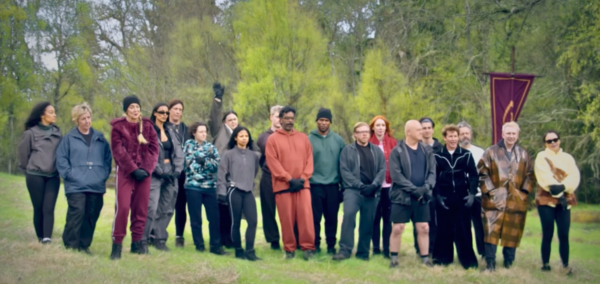
Two Traitors and one Faithful ‘struggled’ while filming The Celebrity Traitors season two

Maya Jama, Rob Beckett and James Acaster found different parts of the experience difficult

The most popular 2026 Halloween costumes are here, but the Obsession one is majorly icky

I’m sorry, how does one go about dressing as a NeeDoh cube?

Russell Group universities criticised by Amnesty over how they handled pro-Gaza protests
Amnesty investigated how unis disciplined students
Friend claims Romesh is ‘nothing like’ how he seems on Celebrity Traitors and has one main aim
‘He’s a competitive person’

Former Traitors stars break the illusion of what they eat, and breakfast will never be the same
I didn’t realise they can basically order anything at the hotel

UWE student jailed for life for murdering his housemate in Filton

Zach Coughlan, 23, must serve at least 28 years for murdering Jamie Collins, 21

‘Superficial, no romance’: Everything Love Is Blind’s Jax has admitted she didn’t like about Stew
She has listed off his ‘red flags’
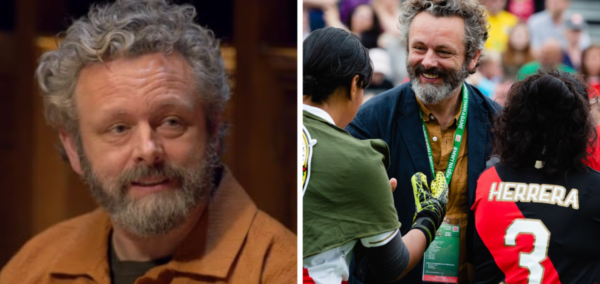
One more reason to love Celebrity Traitors’ Michael Sheen: How he spends his fortune
Celebrities, take note

An analysis of Bake Off icon Mo’s baking experience, since he shunned bread and biscuits
His former teacher clarified what he actually does bake
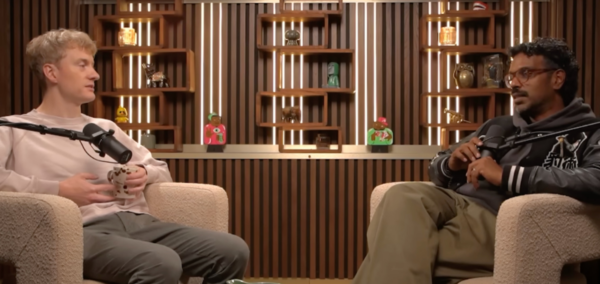
James Acaster and Romesh Ranganathan have a long history beyond Celebrity Traitors ‘feud’

‘You’re a mate and I’m a fan’
Celebrity Traitor James Acaster addressed Rob Beckett relationship weeks before ‘teasing’ claims
Rob and Romesh were described as ‘very different people’ away from the cameras
‘Most people think we’re mad’: Nottingham student plans row across the Atlantic

Notts student James and his friend Noah will be one of the youngest teams to take on the race
Sheffield MP calls for abandoned university buildings to be sold

Abtisam Mohamed has called on Sheffield Hallam University to include affordable and social housing within its redevelopment

Bake Off’s Paul, Alison and Noel detail what Nigella Lawson is like to work with
Noel Fielding compared her to Cleopatra


Bake Off’s vibey Clara has big plans after the show, including a huge move to America
She’s one of the last two women in the tent