

Newcastle University Students’ Union launches petition to legislate misogyny as a hate crime
NUSU is calling on the government to honour its pledge to tackle violence against women and girls

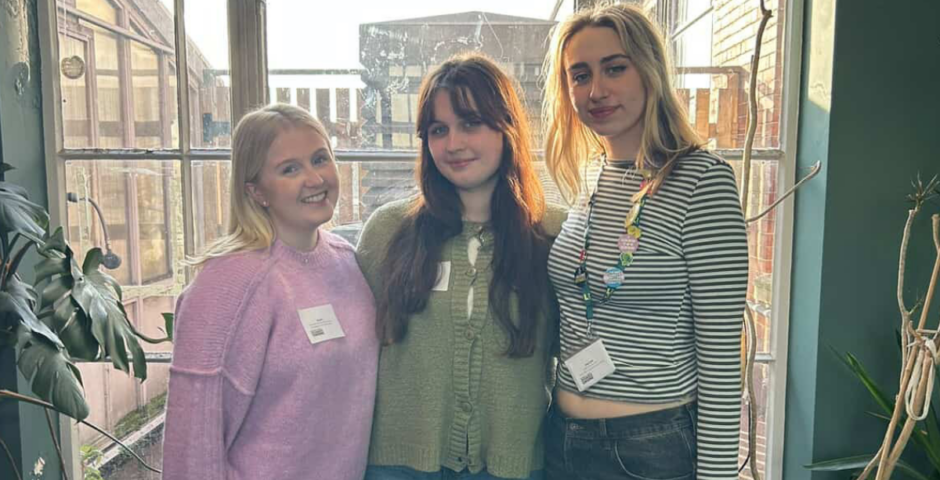
Newcastle University Students’ Union (NUSU) is leading a national student union effort calling on the UK government to legislate misogyny as a hate crime.
The campaign calls on the Labour government to honour its pre-election commitment to tackle violence against women and girls (VAWG), including plans to recognise misogyny within hate crime legislation.
Nearly a year on, campaigners argue progress has been limited.
The Newcastle’s SU is working alongside counterparts at Leeds University and Liverpool University on the initiative.
A petition was created Lily Allan, wellbeing and communities officer at NUSU, alongside Amara Relf, union affairs and communications officer at Leeds University Union, and Holly Thompson, deputy president at Liverpool Guild of Students.
Last summer, Lily attended the first official meeting of the Russell Group Students’ Unions, where social injustice and inequality were identified as key priorities. Alongside Holly and Amara, she pushed for a focus on gender-based violence.
Lily said the campaign was driven by the fact sexual harassment isn’t considered a criminal offence by law.
This led the sabbatical officers to create a survey on gender-based violence, both on and off campus. The survey asked students how their perceptions of safety changed throughout their university experience.
Lily said: “The most notable finding was women’s perception of safety deteriorating from the beginning of university, in first year, to the end in their third year. This fuelled the need for change.”
View this post on Instagram

The sabbatical officers are calling for sex and gender to be added as “aggravating factors” in hate crime legislation. A Russell Group-wide survey found that 67 per cent of students would be more likely to report incidents if misogyny were treated as a hate crime.
While serious sexual offences already carry severe sentences, Lily pointed to everyday experiences such as catcalling, groping and sexually suggestive comments, which she says are often minimised or go unreported.
The Office for Students’ first sexual misconduct survey in 2025 found 25 per cent of final year undergraduates had experienced sexual harassment since starting university.
As a member of the SU, Lily believes it is important to use her position to create change and be a voice for other students.
She said: “As difficult as it can be as a young women speaking your voice and having those difficult conversations, I think that saying nothing is worse than saying something and silence is compliance. So, if we change this narrative then anything is possible.”
Women are disproportionately more likely to experience catcalling, online abuse, sexual harassment, sexual assault and stalking, prompting organisations such as Women’s Aid to continue pushing for legislative reform.
While Women’s Aid has raised concerns that placing VAWG crimes solely within the hate crime framework could risk oversimplifying the issue, it has consistently called for stronger legal recognition of misogyny and gender-based violence.
Support for the campaign has been expressed locally. North East Mayor Kim McGuinness, alongside regional organisations including Rape Crisis Tyneside and Northumberland and West End Women and Girls Centre, has called for misogyny to be treated as a hate crime to tackle street harassment and online abuse.
While campaigners acknowledge legal change alone will not address deeply ingrained attitudes, they argue it is a vital step towards cultural change. NUSU, alongside other Russell Group students’ unions, is encouraging students to share and sign the petition to increase pressure on the government and address these root causes of crime, you can do so here.
The Home Office has been contacted for comment.


Latest
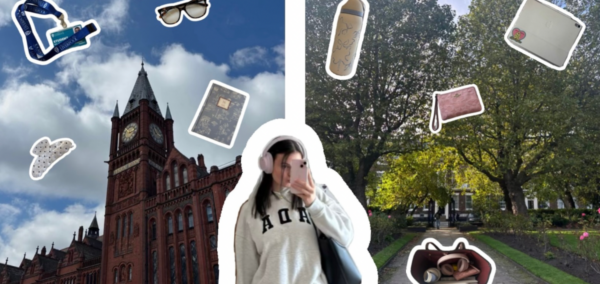
First week back at uni? Here’s everything you need to pack in your bag

Mary Poppins is quaking in her boots…

London university releases statement after professor sentenced for a child sexual offence

Barry Langford was a Professor of Film Studies at Royal Holloway


Young father-of-two died on day he was due to start at University of Glasgow

Young father tragically passes away at 24 years old after suffering a brain aneurysm
Bella Ramsey’s specific acting career gives them ‘an edge’ on Celebrity Traitors (they hope)
Their past roles have prepped them for Missions

12 of The Celebrity Traitors season two cast asked to be Traitors, and six to be Faithfuls
Three celebs couldn’t make up their minds

Maya Jama’s game plan for Celebrity Traitors is to avoid trying ‘too hard’ or ‘overthinking’
This is really devious tbh

Newcastle University buildings evacuated after ‘suspicious item’ found on campus

Police, fire crews, and fire engines arrived at the scene

12 things every Fresher gets wrong in their first few weeks at uni

From wearing your lanyard everywhere to leaving your washing-up until it grows its own ecosystem

Our Celebrity Traitors predictions include Maya Jama turning on her fellow Traitors

Here’s what we think will happen

I’ve just realised that three cast members from Celebrity Traitors were in Game of Thrones

Having flashbacks to Bella Ramsey being crushed by a giant



23 to 70: The ages of the Celebrity Traitors 2026 cast, from youngest to oldest

There’s a huge age range this year

James Blunt was a British Army captain before becoming a singer and joining Celebrity Traitors
He mentioned it on the show

Monster director finally admits why they forced Aileen Wuornos in a show about Lizzie Borden
Despite the name, Lizzie Borden is not the focus of the story

Shows and films you can watch about Aileen Wuornos, where she isn’t thrown into another story

Others tell her entire case, unlike Monster on Netflix

This viral tool lets you customise your Apple Pay cards, and here’s how to do it
You can personalise the entire design

James Acaster could be the Celebrity Traitors’ recruit, as filming reportedly paused for him
It’s not much of a cliffhanger

The ridiculous fortunes of The Celebrity Traitors: Their net worths, from £500K to £50 million
One of them could legit buy the castle three times over