
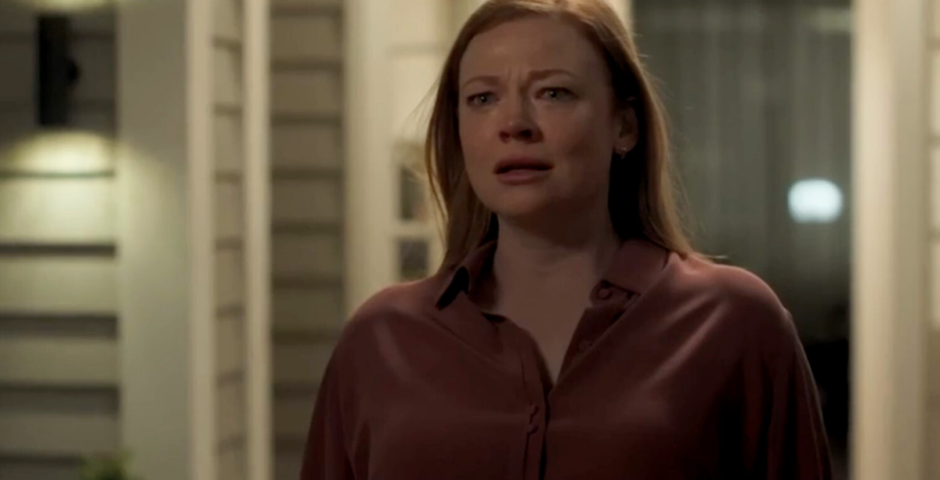
Creator reveals real reason she had to change the book’s ending for All Her Fault TV show
It definitely worked

If you’ve finished all eight episodes of Peacock’s dark and twisty series All Her Fault, you’ll know it ends with a massive shock. Peter Irvine dies in a way that’s both awful and, strangely, a bit satisfying. But here’s what many people don’t realise, in Andrea Mara’s original book, Peter’s death is barely shown at all. Readers only find out through a small newspaper clipping at the very end.
The show, however, spends its whole run building Peter into something much bigger. At first, he seems like a distant, slightly off husband. But as the episodes go on, he becomes the centre of every big disaster, the terrible car crash from years ago, the messy kidnapping, and all the long-buried family lies.
According to showrunner Megan Gallagher, she loved digging into a male character who makes terrible choices because he’s needy and desperate for love, a trait we usually only see given to female villains on TV.
“He just can’t function without being needed,” Gallagher said in an interview with Variety. “All of his bad decisions come from wanting love and control. It made sense that he’d be behind so much chaos, and that his downfall would be huge.”
So, why did the creator change the book’s ending for All Her Fault TV show?

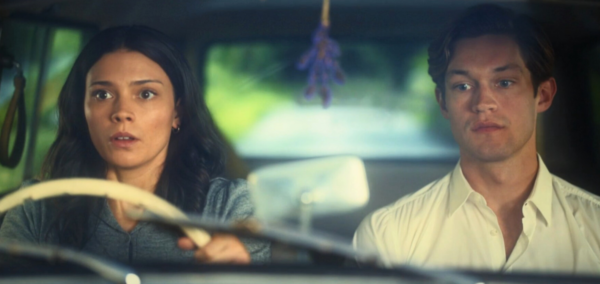
via Peacock
Well, Gallagher said it was all about letting the audience experience the moment through Marissa’s eyes.
“In the book, the newspaper clipping works really well,” she explained. “But in a TV series, you want to be with the character. It’s too big of a moment to leave off-screen. We wanted viewers to feel it and to see her make that impossible choice.”
That choice comes when Marissa quietly uses Peter’s soy allergy during a family gathering. She triggers a reaction, and this time she doesn’t save him. Gallagher said that showing this on screen makes the whole thing feel more real. You stay with Marissa as she decides what she has to do, even though it feels totally “bananas”.
“You know she’s not evil,” Gallagher says. “She’s just completely backed into a corner. There isn’t really another option. We wanted people to feel her thinking it through.”
So, while the book mentions Peter’s death in a quick, subtle way, the show turns it into a bold, emotional, unforgettable moment. And it definitely works.
For more like this, like The Tab on Facebook.

Latest
How to make the most of who you meet at uni

From friends to flatmates to course friends, you’re destined to meet some good people

Calling all Cardiff Uni social secs – here are the social themes you must include this year

Another Wednesday, another fancy-dress theme to think of
The Tab’s ultimate guide to Halloweek in Sheffield

We’ve found all of the spookiest events happening across Sheffield, so get ready for a week of terror and chaos
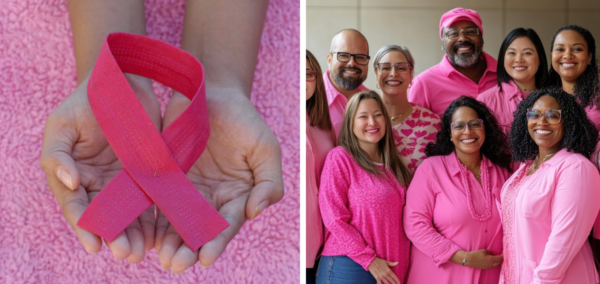
It’s Breast Cancer Awareness Month: Here’s a KCL student’s guide to checking their chest

Because everyone should learn how to check their chest

Lancaster MP backs plans to fine passengers for blasting music on public transport

Cat Smith plans to fine bus and train passengers who play loud music
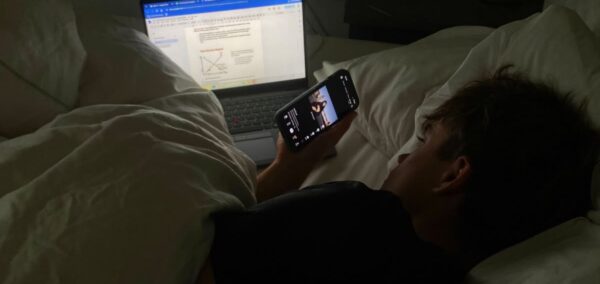
Can you finish this article without checking your phone?

It’s not just you, here’s what endless scrolling is doing to your concentration and your uni work
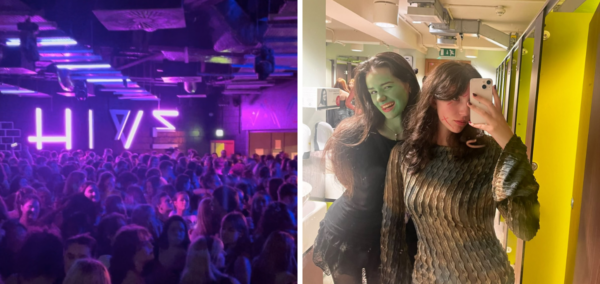
Are sports socities at UofG too exclusive?

Making a team might require hard work and dedication, but fitting into the social circle can feel like a whole other competition
Film documenting the killing of civilians in Gaza now showing at Tyneside Cinema

NAZA depicts interviews with 24 Israeli soldiers and intelligence officers
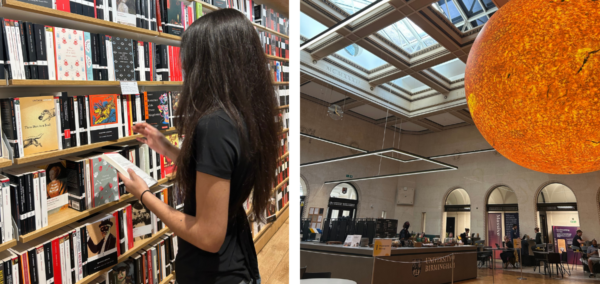
New to Birmingham? Here are the best study spots in the city

Whether you’re dodging your flatmates or convinced a change of scenery will fix your productivity, here are some spots where you’ll be able to buckle down (hopefully)
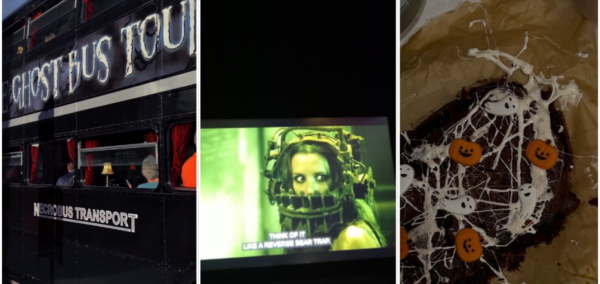
Things to do for Halloween if you didn’t get Salvos Tickets

Don’t fear, there’s more to Halloween than just the club
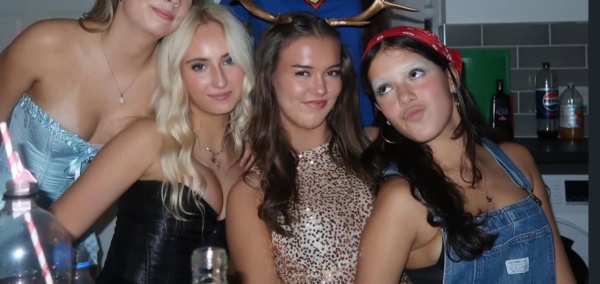
Six iconic halloween costumes for brunette Bristol girls

With summer now a distant memory, spooky season is upon us ladies
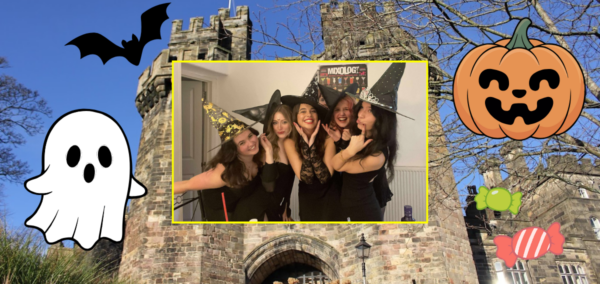
From pumpkins to parties: here’s a round-up of Halloween events happening in Lancaster

A guide to all of Lancaster’s best Halloween events
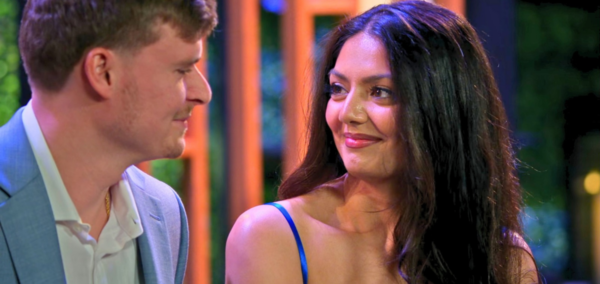
Love Is Blind’s Cam didn’t ‘do great’ when Aneha critiqued his looks at their engagement

He thought, ‘Wow, does she hate me?’
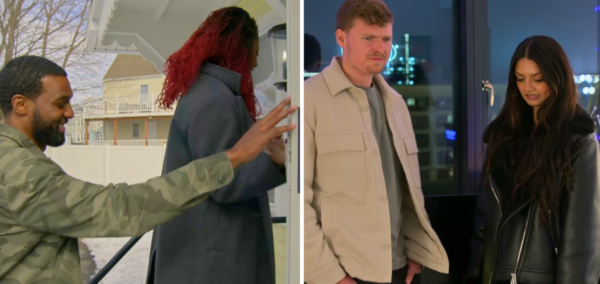
Lots of the Love Is Blind S11 cast aren’t from Boston – here’s how far apart the couples live
Blake and Erika live in different states
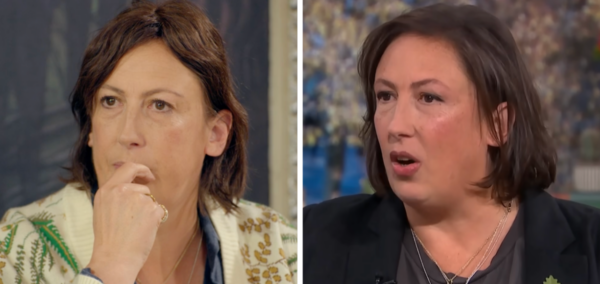
Miranda Hart’s painful reality with illness as Celebrity Traitors marks her iconic return to TV

For years, she was told it was just stress
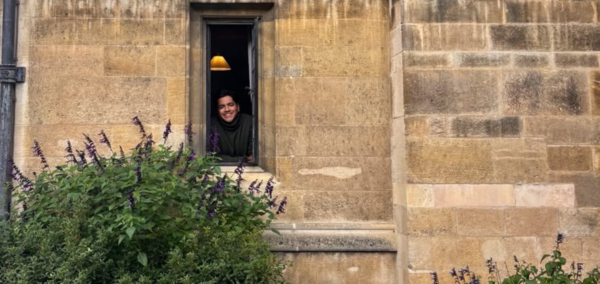
Interview: Alexander Newman, outgoing Editor-in-Chief

From an unpublished study of Italian seduction to the top of the masthead in record time: the outgoing Editor-in-Chief on manifestation, media barons and why first years should be kept well away from microphones
The flatmate red flags Leeds students need to watch out for (and how to avoid them)

Don’t trust your flatmate? Here’s how to fix that
Newcastle food hot spots worth spending your maintenance loan on
If you’re going to splurge, splurge at these spots x

Top tips for securing the perfect student house in Birmingham

It’s like Escape to the Country, except we’re in Selly and there’s not a blade of grass in sight x
‘Everyone needs to fart’: Bristol bus driver loses tribunal claim after ‘significant flatulence’ incident

A Bristol bus driver has lost her tribunal claim after being dismissed on probation, with the judge ruling there was no discrimination or harassment