
Robert Black’s bleak life and death in prison, after Netflix’s Manhunt: The Child Snatcher
He was convicted of the murder of four young girls

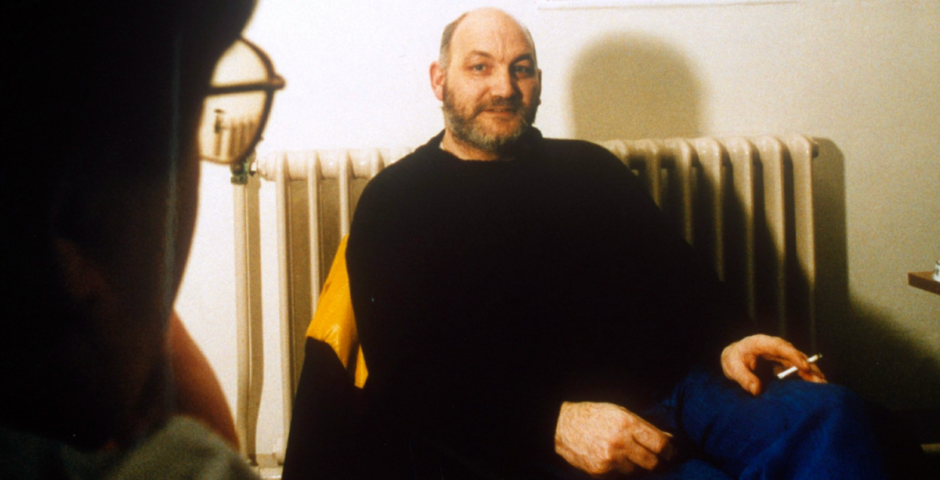
Netflix’s Manhunt: The Child Snatcher has shot up the UK’s most-watched list, revisiting one of Britain’s most disturbing child murder investigations. The two-part documentary follows the decades-long hunt to put serial killer Robert Black in prison, a predator who travelled the UK in a delivery van, using his job as cover to abduct young girls.
Featuring interviews with detectives and victims’ families, the documentary retraces how multiple police forces eventually linked a string of disappearances across the UK and Ireland to a single offender who hid in plain sight.

The Scotsman/Shutterstock
In 1994, he was convicted of the kidnap, rape and murder of three victims: Susan Maxwell, 10, Caroline Hogg, 5, and Sarah Harper, 10. He was also convicted of the attempted kidnapping of another girl and had previously been jailed for abducting and sexually assaulting a fifth child.
Black was sentenced to life imprisonment with a minimum term of 35 years.
It was only after he was caught in 1990 during the attempted abduction of a six-year-old girl in Scotland that detectives began connecting him to earlier child murders across different regions.
Life behind bars and prison attack

Canva
Black spent the rest of his life in high-security prisons, including HMP Wakefield and later HMP Maghaberry.
In July 1995, he was attacked in his Wakefield cell by two inmates who threw boiling water mixed with sugar over him, a common prison assault known as “napalm”, before beating and stabbing him with an improvised weapon. He suffered burns and superficial wounds; both attackers received additional prison sentences.
Why he never confessed
Despite overwhelming evidence and multiple convictions, Black never admitted responsibility for any murder.
Psychologist Ray Wyre, who interviewed him repeatedly in the early 1990s, believed the refusal was rooted in control. Black retained power, Wyre said, by withholding information from victims’ families and investigators.

According to Wyre, the closest Black came to acknowledging guilt was before his 1994 trial. Asked why he had never denied the charges, Black replied: “Because I couldn’t.”
Death in prison

Canva
Black died aged 68 on 12 January 2016 after suffering a heart attack at HMP Maghaberry in Northern Ireland. His death meant some families never received answers about missing children.
Police later confirmed they had been close to charging him with Genette Tate’s murder. A senior detective said early CPS indications suggested a charge was likely within weeks.
Linked to more murders across the UK and Ireland
For years, investigators suspected Black of additional killings. In 2011, he was convicted of the 1981 sexual assault and murder of nine-year-old Jennifer Cardy in Northern Ireland.
By the time of his death, police considered him the prime suspect in the 1978 disappearance and murder of 13-year-old Genette Tate in Devon. Detectives later revealed they were weeks away from charging him when he died.
Black is also suspected in several other unsolved child murders across Britain and continental Europe between the late 1960s and 1980s, though many cases were never proven.
Black took the full truth of his crimes to the grave, and with it, the locations and details that might have brought closure after decades of uncertainty.
For more like this, like The Tab on Facebook.
Featured image credit: The Scotsman/Shutterstock
Latest
Five things that are actually worth your money as a Liverpool student

Already feeling the financial burden from Freshers’ Week?
Infamous p*rnstar with ‘infinite’ female body count responds after *that* viral gay video

His earlier mission was to sleep with a woman from every country…


There’s a key reason Bonnie Blue was reported to the NSPCC, and not police or social services

People called for her to get ‘locked up’
Three legends are already ‘lined up’ for the next Love Island All Stars and this could save the show
I’m suddenly so invested again
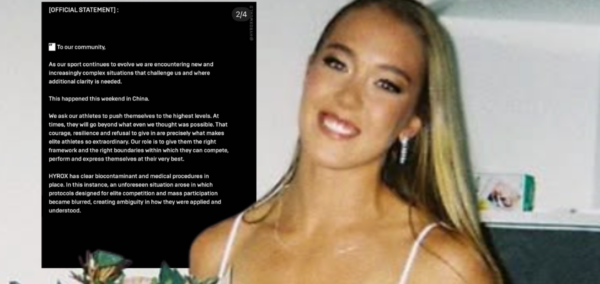
Holy sh*t: The way HYROX responded to poo-gate is insane, so here are the odd statements in full
The founder of HYROX also issued a statement

‘She’s embarrassed of us’: Kelly Osbourne talks about relationship with ‘polar opposite’ sister

‘I don’t want you in my life’
I was an athlete at HYROX event where Joanna Wietrzyk pooped herself – we’re owed compensation
‘No respect for other people’
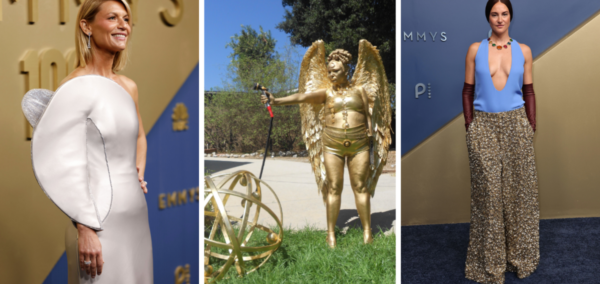
The most out-there outfits that celebrities dared wear to the 2026 Emmy Awards

Wtf was Shailene Woodley in?!
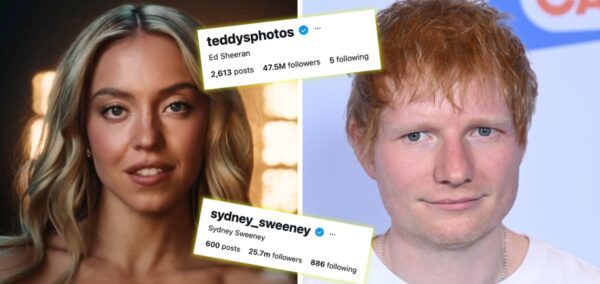
Sydney Sweeney vs Ed Sheeran: Who’s lost more followers after their HUGE controversies this week?
They’re both getting a lot of heat

It’s actually good! All the best and quite honestly life changing new features in the iOS 27 update
Well done Apple, for once
HYROX coach drops wild reaction to ‘extraordinary’ moment his client pooed herself during event
How has he made the situation worse?
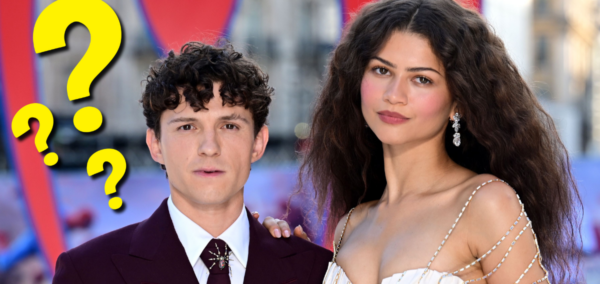
Wait, are Tom Holland and Zendaya married or not? Here are Law Roach’s confusing statements
The stylist seemingly contradicted himself again at the Emmys

New ranking reveals the 10 best UK unis for graduate employment, and none are Russell Group

Robert Gordon University topped the ranking with 91.2 per cent of graduates in employment, while Oxford and Cambridge ranked 83rd and 82nd out of 88 universities
Who is Joanna Wietrzyk? The 24-year-old athlete at the centre of the HYROX soiling scandal
She’s made history in her career
‘Infuriated’ female athletes slam Sydney Sweeney for ‘sexualising’ women’s sport in x-rated ad
‘A kick in the face to every woman who has dedicated her life to perfecting her craft’

Film stars to singers: The A-listers who are team Macklemore after Ed Sheeran booted him off tour
‘Honoured to know you brother’
Here’s why Heated Rivalry wasn’t part of the 2026 Emmys awards, and Connor Storrie didn’t go
Connor Storrie received his first Emmy nomintation
The brutal reasons the Emmys excluded so many major celebs from the in memoriam section
Names such as Nicholas Brendon, Chuck Norris, and Patrick Muldoon were not included
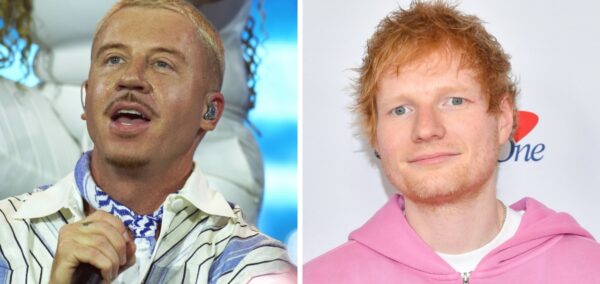
‘Deeply offensive’: Bob Kraft defends removing Macklemore from Ed Sheeran’s tour in statement
He was dropped for saying ‘Free Palestine’