

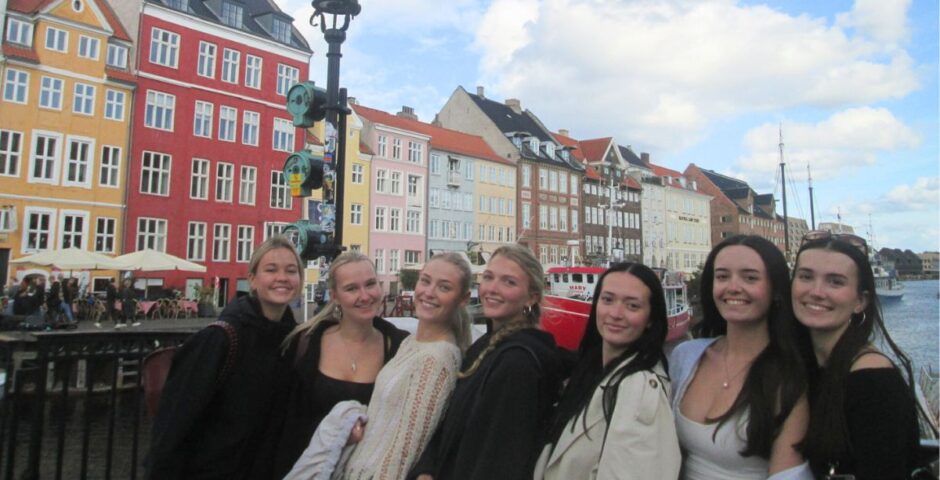
Everything you need to know before applying to study abroad: A Liverpool student’s guide
After experiencing all the emotions possible, I feel qualified enough to guide you if you’re considering it
I want to start off by saying that I was very lucky, I knew that I wanted to apply for a year abroad in first year as I knew other people that had done one and said it was the best life experience EVER, which I can definitely relate to now. Even if you haven’t thought about it as much as I had its definitely worth researching your opportunities as it can genuinely be life changing. But there are a lot of ups and downs to consider.
Here’s everything I wish someone had told me before I packed my life into a suitcase and moved to Copenhagen for the year.
You probably won’t get your first choice of destination

It’s tempting to fixate on that one perfect destination, but there are very limited places depending on your desired location and duration of study so it’s important to keep an open mind.
Research all of your options! Look at how many spots are offered to keep a realistic mindset and ensure you’ll be happy with all the locations you’re applying for. I was the only person in Copenhagen for the year from UoL!
Sometimes the places you don’t expect end up being the best fit for you. Remember that your experience is what you make it, not just the city’s name.
Do your research like your life depends on it

Because it kind of does. Look beyond the shiny brochures and Instagram Reels. Sure, Sydney looks dreamy, but have you factored in the 24 hour flight and the £££ you’ll spend just on iced coffee?
When you’re choosing where to apply, think about everything.
Living costs and funding: Copenhagen is beautiful, but it’s also criminally expensive: like, £6 for a loaf of bread expensive. Research average student rents, grocery prices, and transport. It’s also worth considering that your university may not be able to give you much financial help, as we no longer get the Erasmus Grant (thanks, Brexit x).
Weather and wellbeing: Seasonal depression is real. If you’re going to a place with four hours of daylight in winter (hello, Scandinavia), you should mentally prepare. Definitely invest in a good coat.
Language and culture shock: Some places have a totally different vibe to what you’re used to, socially, academically, and in terms of general life pace. While English is widely spoken in most places, it’s best to try and learn some before you go. All of my flatmates are Danish and speak to each other in Danish! If you want to eavesdrop, or don’t want to constantly ask what’s happening on the TV, Duolingo alone will not save you. Trust me, I know.



Distance and visits: As much as I felt like other people weren’t a factor in my choice, whether they can visit you (or you can go back to see them) actually plays a huge role. Maybe I’d have ended up in Australia if it was just a semester, but paying for regular flights home wasn’t realistic for me, and I can’t imagine a Christmas without my family or friends, but it really is each to their own.
Flights, visas, and all the boring admin stuff

It’s not just about picking the coolest city. Look into visa requirements, insurance, enrolment forms, learning agreements (don’t ask, just do them), and accommodation. Some countries have complicated systems for students. Even in Denmark you’ll need to apply for a visa, CPR number, register with the municipality, and jump through a few hoops before you’re officially allowed to exist here.
Also: Flights. Budget airlines are your best friend, but flight prices can vary wildly depending on your destination. A return to Milan might be £40. Tokyo? More like £800+.
Emotional toll

New city, new uni, new friends, new rules; it’s a lot. While some people settle in straight away, others (read: Me) spend the first week Googling “how to survive abroad without crying every day.” Homesickness can impact you differential abroad – consider this when thinking about distance. Regardless, it gets better. The culture shock fades, your flat starts to feel like home, and suddenly you know how to use the metro without looking like a lost tourist.
You don’t have to do everything, all at once

It’s tempting to say yes to every invite, trip, and night out because of FOMO (Guilty!). But you’ve got time. A whole semester or year, in fact. Take it at your own pace. Prioritise what makes you happy, whether that’s clubbing till 5am or sitting in a park with pastries and a book.
Studying abroad can be the most exciting, chaotic, and rewarding part of uni, but it’s not all sunsets and sightseeing. The more prepared you are, the more you’ll enjoy it.
So do your research, stay open-minded, and pack a good coat.
Latest

First week back at uni? Here’s everything you need to pack in your bag

Mary Poppins is quaking in her boots…

London university releases statement after professor sentenced for a child sexual offence

Barry Langford was a Professor of Film Studies at Royal Holloway



Young father-of-two died on day he was due to start at University of Glasgow

Young father tragically passes away at 24 years old after suffering a brain aneurysm
Bella Ramsey’s specific acting career gives them ‘an edge’ on Celebrity Traitors (they hope)
Their past roles have prepped them for Missions

12 of The Celebrity Traitors season two cast asked to be Traitors, and six to be Faithfuls
Three celebs couldn’t make up their minds

Maya Jama’s game plan for Celebrity Traitors is to avoid trying ‘too hard’ or ‘overthinking’
This is really devious tbh

Newcastle University buildings evacuated after ‘suspicious item’ found on campus

Police, fire crews, and fire engines arrived at the scene

12 things every Fresher gets wrong in their first few weeks at uni

From wearing your lanyard everywhere to leaving your washing-up until it grows its own ecosystem

Our Celebrity Traitors predictions include Maya Jama turning on her fellow Traitors

Here’s what we think will happen

I’ve just realised that three cast members from Celebrity Traitors were in Game of Thrones

Having flashbacks to Bella Ramsey being crushed by a giant



23 to 70: The ages of the Celebrity Traitors 2026 cast, from youngest to oldest

There’s a huge age range this year

James Blunt was a British Army captain before becoming a singer and joining Celebrity Traitors
He mentioned it on the show

Monster director finally admits why they forced Aileen Wuornos in a show about Lizzie Borden
Despite the name, Lizzie Borden is not the focus of the story

Shows and films you can watch about Aileen Wuornos, where she isn’t thrown into another story

Others tell her entire case, unlike Monster on Netflix
This viral tool lets you customise your Apple Pay cards, and here’s how to do it
You can personalise the entire design

James Acaster could be the Celebrity Traitors’ recruit, as filming reportedly paused for him
It’s not much of a cliffhanger

The ridiculous fortunes of The Celebrity Traitors: Their net worths, from £500K to £50 million
One of them could legit buy the castle three times over