

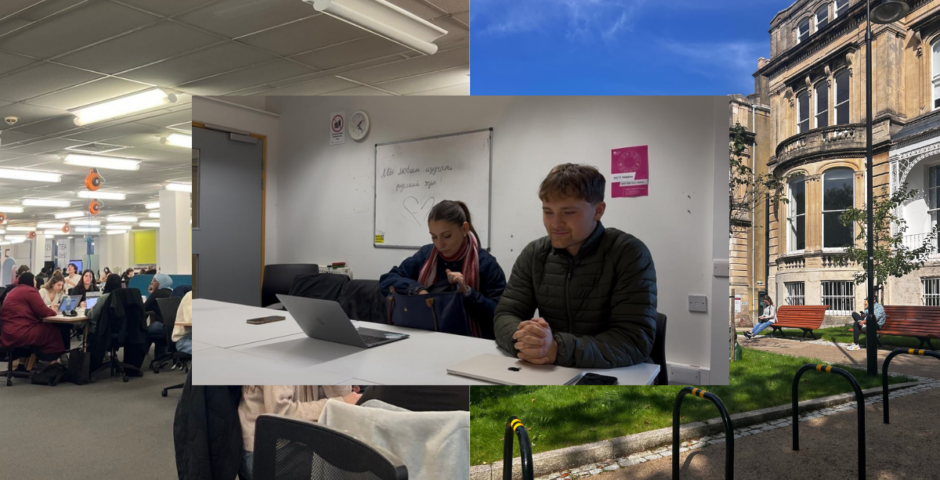
A deep dive into the art of the Bristol seminar
I guess we’ll never know

There are many things that define the university experience in Bristol: The quest for a decent Clifton bedroom under £900 a month, the annual migration of skinny scarfs across the Downs and of course, the seminar. Not just any seminar, but the Bristol seminar. An intellectual ritual both beloved and feared, performed weekly in small rooms along Woodland Road where the heating is set to either Sahara or Siberia, with students performing a delicate social choreography perfected over generations.

What, exactly, is the point of the seminar?
Whether it’s written on your timetable as a “workshop,” a “lectorial” or the renowned “seminar,” it can be difficult to decipher what exactly is going to happen in this one hour slot on a Tuesday morning. Not the official point, the glossy one in the handbook about “critical dialogue” and “collaborative learning,” but the lived experience of sitting in a small, stuffy room while someone explains their very personal interpretation of week four’s reading for 15 uninterrupted minutes.
On paper seminars are meant to sharpen your thinking. In reality, you can sometimes leave with the vague feeling that you’ve survived a social experiment rather than participated in academic discourse. As one UoB history student, Thea, said: “Especially in first year, when we were taught by phd students who frankly didn’t care about our academic success one bit. No one would speak; no one (including the tutor) was engaged. They were a total slog and had no utility.”
UWE Economics student, Ned, put it: “I find that seminars with fewer people are much more beneficial, if it’s busier they can leave me more confused.” A sentiment many Bristol students could have stitched on a tote bag.
The many types of ‘discussion’

Most seminars start with the noble aim of discussion, but depending on the group, this can take several flavours. Sometimes it becomes a one-person TED Talk, where a single student holds the floor with a level of confidence that should be prescribed.The rest of us listen politely thinking: This is great, but my exam is in six weeks and none of this can legally appear in it.
“Confident students totally dominate my seminars,” says Thea. “Sometimes I feel people are looking at me to fill the silence.” Honestly, who wouldn’t crack under that pressure? There can be such a big responsibility on those who do contribute to do this every. Single. Time.
However there is the concern with where we draw the line when it gets to people’s “thoughts.” As Thea says: “I despise when seminars become arenas for people to share their personal life stories or trauma dump… it’s so irrelevant to the topic at hand.” But the circle of chairs is powerful. It changes people.
Ned expressed also how this isn’t always a bad thing “as it does make it interactive.”

Other times, it’s the opposite: A full-group vow of silence. The tutor asks a question and everyone stares intensely at the table. Someone eventually cracks and mutters a half-answer that may or may not be related to the topic at hand. The tutor, bless them, responds like it’s the most insightful thing they’ve ever heard, because they too are just trying to get through the hour without crying.
Do we really get anything from them?
Sometimes yes, genuine help, a moment of clarity, a shared insight, a lively debate that reminds you why you came to university in the first place. Ned summed up the ideal outcome pretty neatly: “Seminars help me understand content from the lecture by discussing it with the lecturer.” Don’t we wish they all worked like that.
Sometimes they absolutely do not, and that’s okay too. As Thea puts it: “Some literally do nothing or even regress my understanding.” Honestly? Fair.
Sometimes something valuable sneaks in when you least expect it, even the knowledge that everyone else is just as confused as you.

Maybe seminars don’t always teach us theories or models. Maybe they teach us something else entirely: How to listen, how to disagree politely, how to fake understanding convincingly and how to survive social situations that feel both bizarrely intimate and deeply academic.
Or maybe we go because missing one is a nightmare. “If you miss a seminar it can be hard to catch up as it’s not recorded,” Ned points out, voicing the universal pain of the 9am group.
For better or worse, the seminar remains a strange little microcosm of university life; half performance, half genuine learning and fully committed to keeping us on our toes.
Latest
A guide to treating the Sunday scaries in Selly Oak

Battling a Circo hangover with the impending doom of a 9am lecture? Welcome to an average Sunday in Selly Oak

More than two tonnes of plastic pellets may remain in the Tyne, researchers warn

A collision in July released around 17 tonnes of nurdles
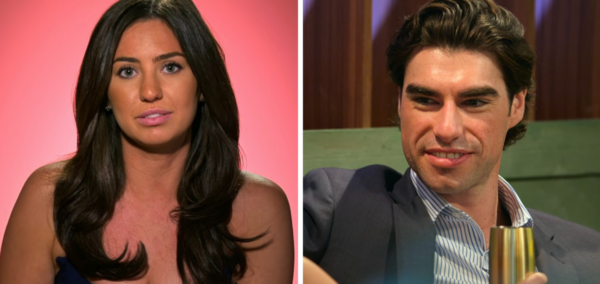
Jax speaks out after toe-curling Love Is Blind reveal, and shares why she *really* ghosted Stew

She claims it had nothing to do with his appearance
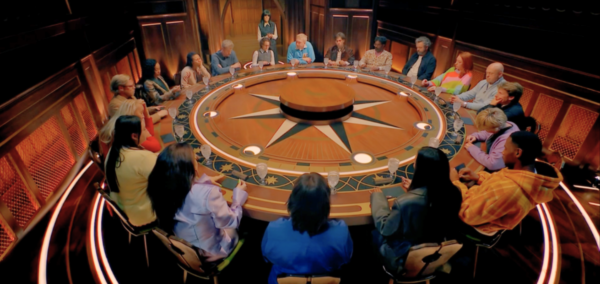
A full record of how The Celebrity Traitors S2 cast voted at each Round Table session

Yup, we’re keeping track of all the stats
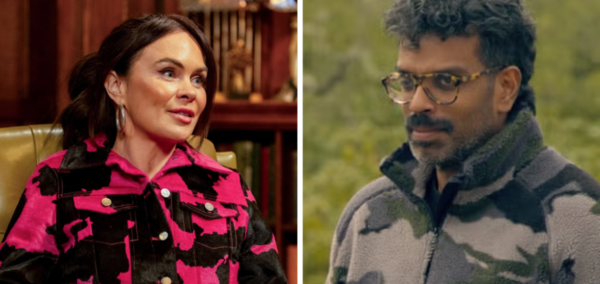
The Celebrity Traitors comedians whose fortunes are no laughing matter, from £1m to £6.5m

The fact Miranda isn’t the highest is criminal
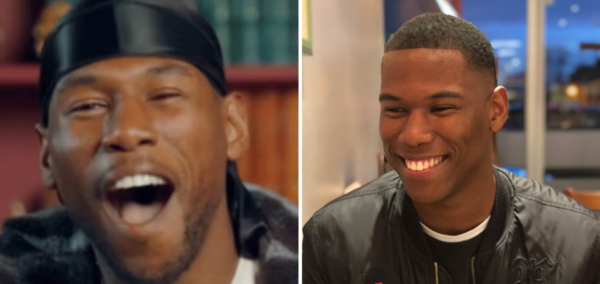
Celebrity Traitors’ King Kenny was arrested after filming a prank on his university campus

He has a wild backstory from his YouTube career
Is this the downfall of Turnitin? Here’s what you need to know

Turnitin’s system is changing and students’ data could be used to train tools which use Artificial Intelligence
Fewer apps, more life: My experience at the launch of the social SuperApp ZYMIX

Inside the launch of the SuperApp that wants to clear out your home screen
The question we’re all thinking about: What exactly is happening with the library?

Everything you need to know about the JB Morrell Library refurbishment
Plans submitted to council for new research facility at York University

University of York’s Campus West could see a new research building after plans submitted to York Council
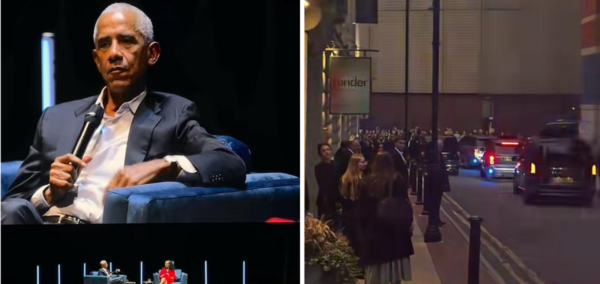
Wait, why was Barack Obama in Manchester city centre?

The former US President was spotted outside a hotel before speaking at Co-op Live
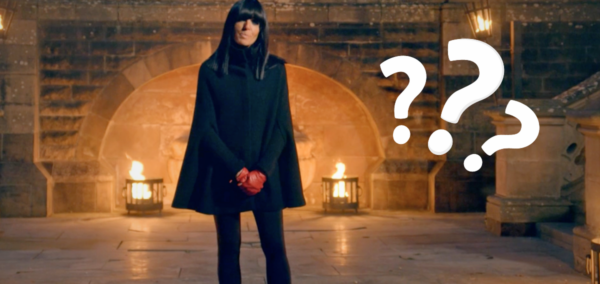
The Celebrity Traitors producers are already eyeing up big names for season three’s cast
Stephen Lambert wants Tom Cruise and ‘a big sports star’
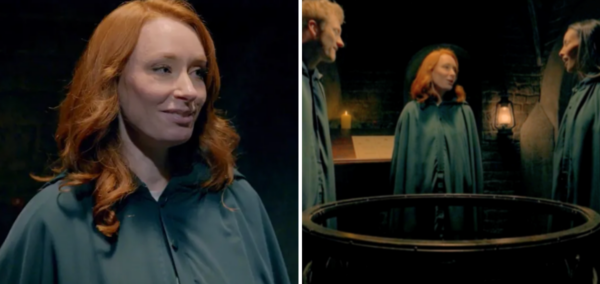
Hannah Fry has crunched the numbers, and spotted a suspicious Celebrity Traitors voting pattern
It could be bad news for the Traitors
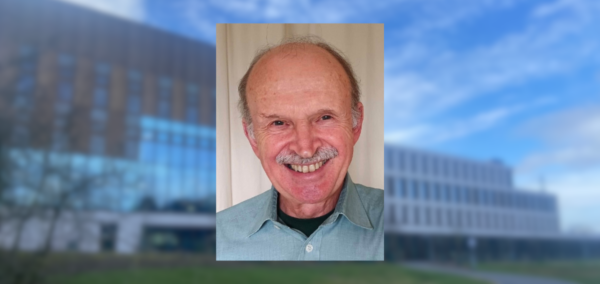
Former Lancaster University professor John Whitehead dies aged 76

John was a lecturer of mathematics and statistics
How to avoid the struggles that come with a part-time job at a Bristol university

After all, we do live in on of the most expensive cities in the UK.

All the public scandals The Celebrity Traitors cast have been in, from arrests to racist tweets
They’re not as wholesome as people think
Newcastle and Northumbria universities join forces for new Student Health Hub

Students of both unis can access the mental health service on Friday mornings

The net worths of the American Horror Story 13 cast prove who desperately needed that pay cheque
A $50 million net worth with two minutes of screentime? Nice
Three UK universities announced language course closures in 2026 – including Edinburgh
The University of Edinburgh is scrapping 90 programmes
‘She is phenomenal’: Traitor Hannah Fry has realised that she’s related to her co-star
‘I cannot tell you how much I admire her’