

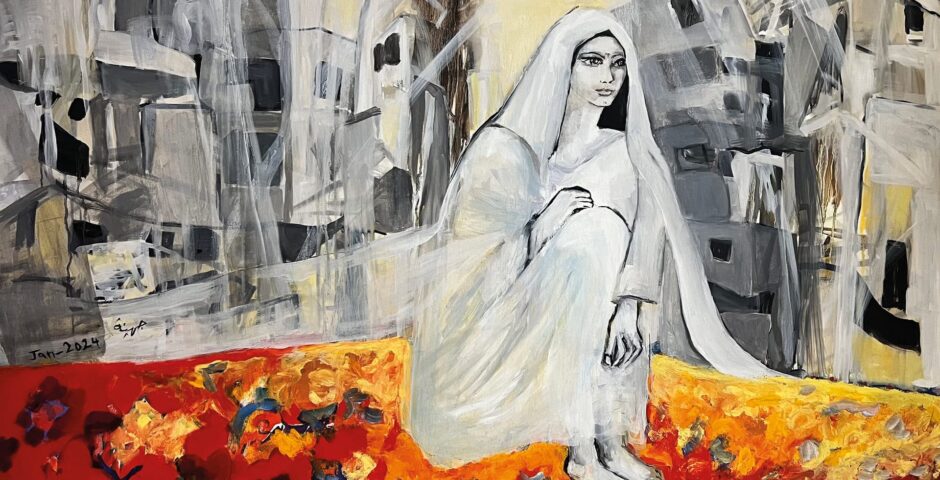
The Lost Paintings: A Prelude to Return at Bristol Museum and Art Gallery
19 June – 27 September 2026
The Lost Paintings: A Prelude to Return, running until 27 September, brings together 53 Palestinian artists from Palestine and the diaspora. Each artist was invited to respond to one of Tomb’s lost painting titles.
Are you a student interested in history and art? Bristol is renowned for its connection to art and history, and Bristol Museum & Art Gallery is home to many exhibitions and pieces that could catch any art enthusiast’s eye. If you’re looking for an activity for the first few weeks of university that is steeped in academia and culture, head to the Museum & Art Gallery for the Lost Paintings: A Prelude to Return exhibition.
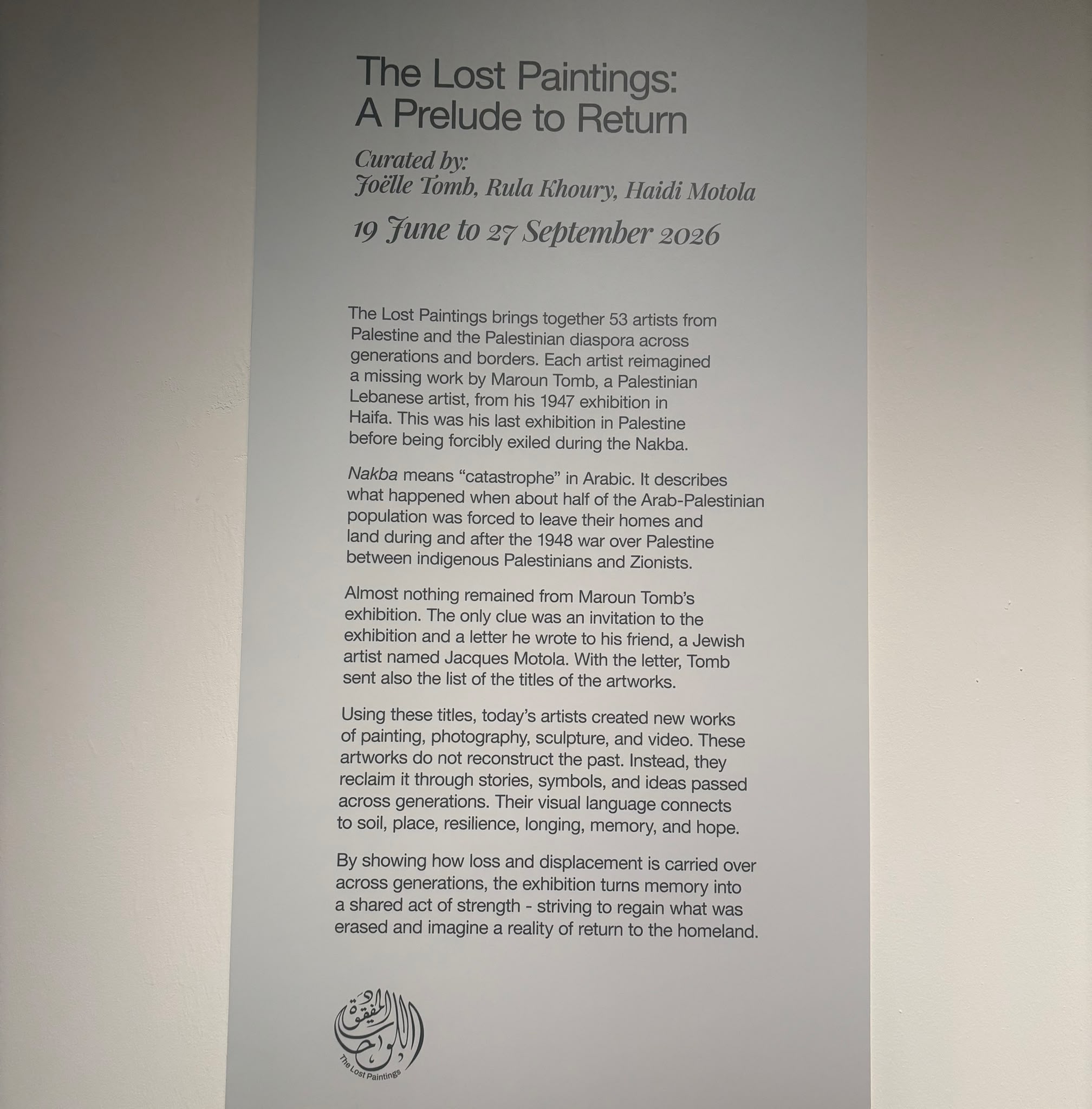
In 1947, Palestinian-Lebanese artist Maroun Tomb was preparing to open an exhibition in Haifa. The opening was scheduled for 29 November, the same day the United Nations approved the partition of Palestine. The exhibition was lost amid the war that followed and the events surrounding the establishment of the state of Israel. Almost nothing remains of the original exhibition apart from a handwritten letter Tomb sent to his friend Jacques Motola, which included the invitation to the opening and a list of the titles of the paintings that were to be shown.
Nearly 80 years later, those surviving records, particularly the titles of the paintings, have become the starting point for a new exhibition. After presentations in Montreal, Boston, Belfast and London, The Lost Paintings: A Prelude to Return is now on display at Bristol Museum & Art Gallery.
The project brings together three curators: Joëlle Tomb, Maroun Tomb’s granddaughter; Haidi Motola, the granddaughter of Jacques Motola, Tomb’s friend and the recipient of the letter and the titles of the lost paintings; and Palestinian curator, historian and critic Rula Khoury. Their personal connections to the original exhibition, alongside a collective commitment to Palestinian cultural history, give the project another dimension.
I had a small interview with Haidi about the family history behind the exhibition, how the project came together, and what it means to bring these lost paintings back into conversation almost 80 years later.
There is something unusual about building an exhibition around paintings that no longer exist. How can you curate something through absence?
The intention, Haidi explained, was never to recreate Tomb’s exhibition. There was no visual record to work from, and that absence became part of the process. Instead, it opened up possibilities. The artists were given the freedom to ask what those titles might mean now.
The titles became a way of moving between three lenses: how things were, how they are now, and how they could be. The project asks what can be made from what remains, and what contemporary Palestinian artists can say about that loss from where they are now.
By the time the exhibition was developing, the distance between 1948 and the present had become harder to ignore.
The project began in 2023, before the ongoing war in Gaza. As the artists worked, some had family members in Gaza, and the exhibition changed and developed with them. It therefore became not only about what was lost in 1948, during the Nakba and in the following years, but about what is being lost, documented and remembered now, as we speak.
That raises another question: who gets to tell this history?
It is a particularly relevant question in Bristol.
The city has spent years confronting its own connections to slavery, colonialism and the wealth built through them. Bristol Museum & Art Gallery is part of that history. The building was funded in 1905 by George and Henry Wills, whose family made huge sums of money from the tobacco industry. The tobacco they bought was grown by enslaved people in the southern United States.
Most Read
Against that background, an exhibition concerned with colonialism, cultural erasure and the loss of identity and history takes on another layer of meaning inside the museum.
How important was it to you that this exhibition was shaped by Palestinian artists and curators themselves, including voices from both Palestine and the diaspora?
Haifa, where Tomb’s exhibition was supposed to take place, is itself central to that history. The city remains marked by the consequences of the Nakba, while Palestinian communities continue to live across different geographies and with questions around heritage and belonging. For the project, bringing together artists from different Palestinian communities was therefore essential. The question is not simply how Palestine is represented, but who is doing the representing.
Here, the artists and curators are responding to fragments of an interrupted exhibition through their own experiences, family histories and imaginations. A project that began with one surviving letter became a way of uncovering stories that had also been fragmented or forgotten.
Haidi explains that, for Joëlle Tomb, who is descended from Maroun Tomb, the exhibition became a discovery of her own family history. Researching the lost exhibition brought back a part of that history that had been taken away.
The exhibition was initially called The Lost Paintings. Later, as the idea of return became increasingly central to the project, “A Prelude to Return” was added, shifting the focus from what had disappeared towards what the future might hold.
I wondered what “return” was referring to. To history? Legacy? Maybe to ourselves?
For Haidi, return is more literal. It refers to the right of return of Palestinian refugees, unfortunately something a single exhibition cannot make happen on its own, but something that can continue to be spoken about, remembered and imagined. In that sense, the exhibition becomes a space for keeping return alive until it can become concrete.
I asked Haidi if there is a specific work or space in the exhibition that she personally finds difficult to walk past.
One of the works Haidi spoke about most strongly is by Sliman Mansour, one of the major figures in Palestinian art, who died on 24 August 2026 at the age of 79. Mansour took part in the project and created new work specifically for the exhibition. He was part of a generation that helped shape Palestinian visual culture, and his work continues to be closely associated with resistance.
Almost 80 years after Tomb prepared an exhibition that was never seen, another group of Palestinian artists has been allowed to fill a museum with their voices. The original paintings are still gone. What remains are the titles, the artists who have chosen to respond, and the curators who have carried the project forward.
That is where The Lost Paintings: A Prelude to Return finds its present tense: not in reconstructing what was lost, but in asking what can still be made, remembered and returned.
I thank Haidi for her time, and everyone involved in bringing this exhibition to life. The Lost Paintings team is also holding a series of panels exploring some of the core ideas surrounding the exhibition throughout September. More information can be found through their Instagram account, @lostpaintingsproject.
The Lost Paintings: A Prelude to Return is at Bristol Museum & Art Gallery until 27 September 2026.
Latest
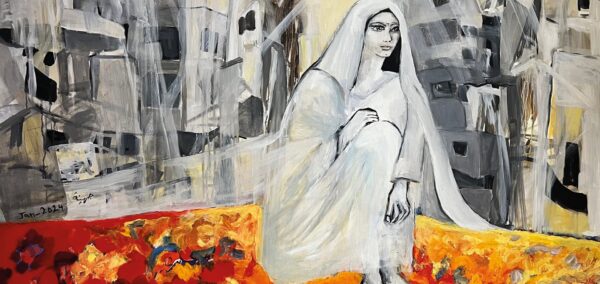
The Lost Paintings: A Prelude to Return at Bristol Museum and Art Gallery

19 June – 27 September 2026
The Lost Paintings: A Prelude to Return, running until 27 September, brings together 53 Palestinian artists from Palestine and the diaspora. Each artist was invited to respond to one of Tomb’s lost painting titles.
The mother of missing Jack O’Sullivan blames police for ‘total failure’ to find him

The most recent update in the Jack O’Sullivan case
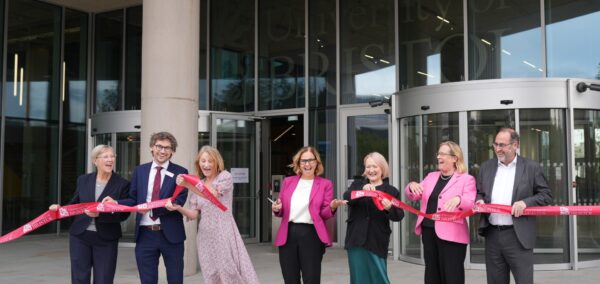
New Sloane Robinson Building opens: Temple Quarter

First step towards the new Temple Quarter Enterprise Campus
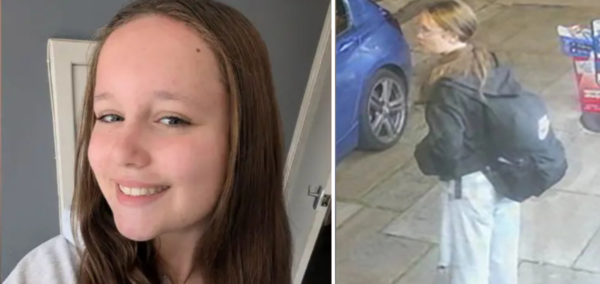
Missing 13-year-old found in Manchester city centre after eight day search

Police have confirmed the teenager is safe and well
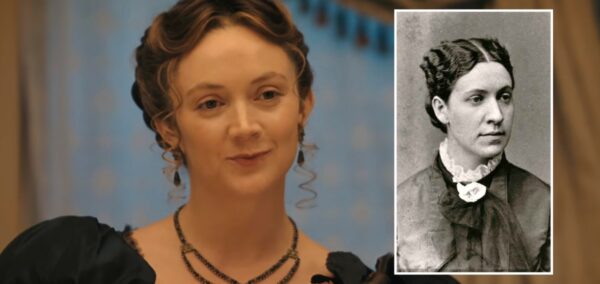
Who Lizzie Borden’s sister Emma was and if they were close, because Monster gets it all wrong

She never got married for a start
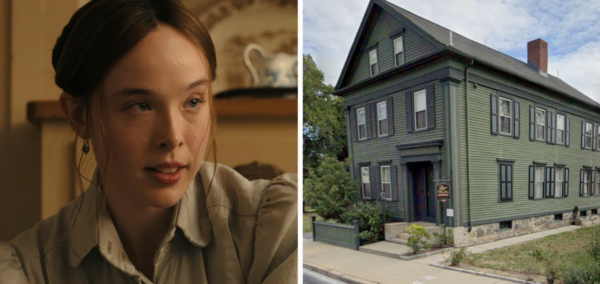
The real life Lizzie Borden house is still standing today, so here’s what it’s used for

It’s one of the most visited true crime landmarks
What Lizzie Borden was actually like in real life, according to the people who knew her
Monster keeps describing her as ‘plain’
Was Lizzie Borden in love with her maid Bridget? The real life theory around her sexuality
People dug up notes and have tried to prove the theory for decades
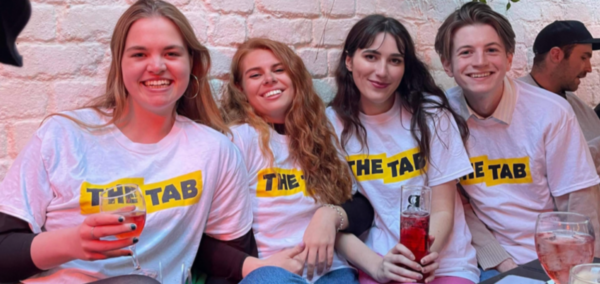
Calling all aspiring journalists! How to join The Bristol Tab

Come to our open meeting on the 28th of September at 8pm at The Beckford (In Senate House)
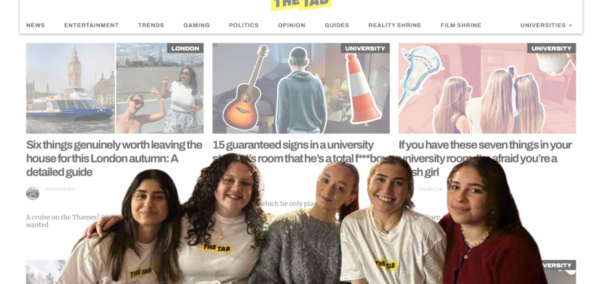
Stop what you’re doing: The King’s Tab is looking for new writers AND content creators

Come to our open meeting on Thursday 1st October, 5pm at The Vault!
Channelling your broke uni student lifestyle
Not everything needs to be accompanied by a £5 iced latte, here’s how to be more mindful

The York Tab is recruiting new writers and we want YOU!

Open meeting Monday 28th September, 6pm in SLB/004!
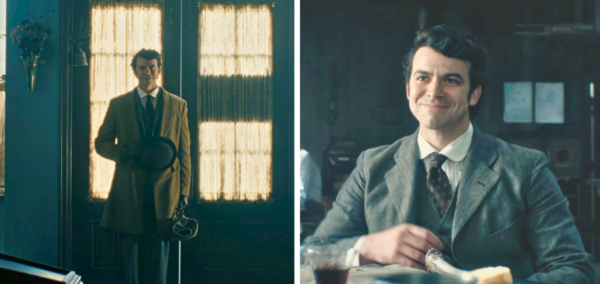
Here’s who the uncle in Monster: The Lizzie Borden Story was, and what Netflix makes up

John Morse really did stay in the Bordens’ house
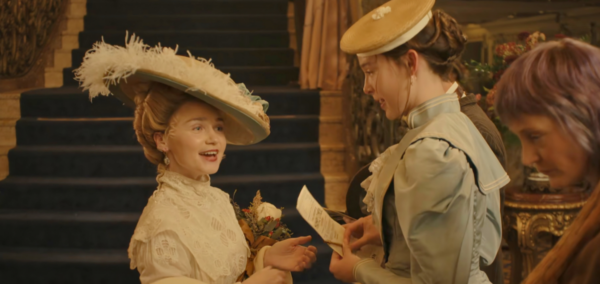
Er, Lizzie Borden’s meeting with the actor Nance O’Neil was nothing like Netflix’s Monster
Their paths didn’t actually cross for another 14 years
With 600 alleged killings, this minor character in Lizzie Borden should have been the Monster

HUGE missed opportunity
Did Andrew Borden have a stutter? Charlie Hunnam breaks down accent and voice in Netflix show
The actor has fully explained it
Elektrik Warehouse responds to alleged ‘crowd crush’ concerns at Shoshi event

‘It was just lucky nothing insanely bad happened’
Uni of Edinburgh confirms 25 days of strike action over five weeks, affecting Welcome Week

Am email sent to Edinburgh University students read ‘staff are not obliged to tell us if they plan to take part, which means we cannot tell you who is or is not’

There’s a really smart way to hack your Spotify Wrapped results for 2026 – before it’s too late
The cut-off for data tracking is very soon!

Meet OnlyFans’ gay ‘golden boy’ Ashton, and the thirsty clip that’s earned him 33 MILLION views
The clip is seconds long, but it leaves an impression