
The backlash against Andy Burnham inviting TikTokers to Downing Street misses the point entirely
It’s really not the political scandal people think it is
There seems to be a growing expectation that politicians should be able to connect with younger generations, but apparently only if they do it in a way that everyone finds respectable. Andy Burnham’s decision to invite TikTok influencers into Downing Street has caused huge amounts of backlash, but I actually think it’s a fairly sensible move.
View this post on Instagram
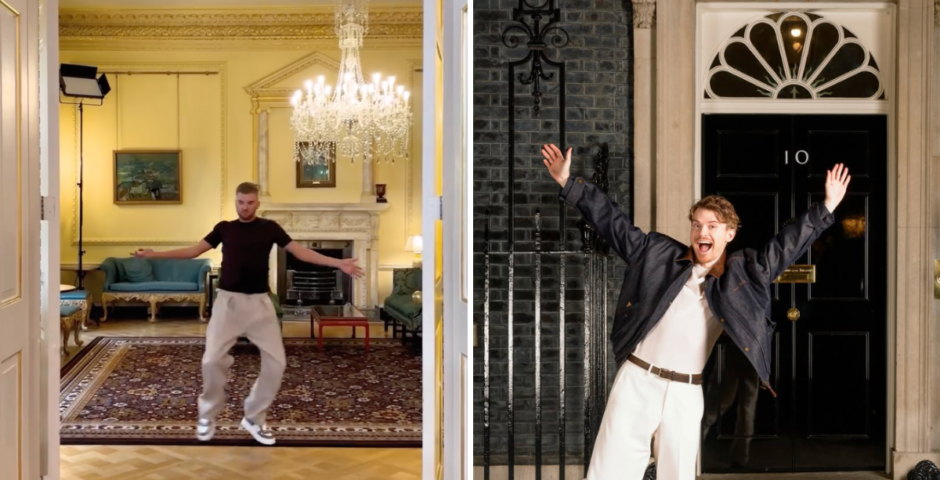
The controversy centres on videos filmed during the visit, which was part of an outreach initiative designed to connect the Prime Minister with online creators. Max Balegde filmed himself outside No 10 mouthing along to a viral TikTok audio containing the lyrics “bomboclaat p***wagon chicken nuggets”, while Luke Hamnett recreated Hugh Grant’s famous dance from Love, Actually inside Downing Street.
Do I particularly love Max Balegde? No. Do I think the video is a bit silly? Yes. But I also don’t think it’s that deep. It’s a TikTok creator using a trending audio, not a reflection of government policy or some sort of political endorsement of the lyrics. The video has since been taken down, and Downing Street said it was right that it had been removed.
10 Downing Street labeIs Max BaIegde’s video “cIearIy not appropriate” The “bomboclaat pussywagon chicken nugget” TikTok video has now been deleted. It should never have been uploaded in the first place https://t.co/WPOgfsJp0M
— James Goddard (@JamesPGoddard90) November 24, 2026
The reaction, however, has felt somewhat disproportionate. The Daily Mail described the situation in a headline as ‘Andy Burnham TikTok backlash grows as influencer sings offensive, misogynist song outside No10’. There are legitimate questions to ask about the language used, but I’m not convinced a short-lived social media video warrants quite this level of outrage.
Safeguarding minister Satvir Kaur was among those to criticise the clip, saying: “Would I use that language? Absolutely not.” She added: “Do I want to hear that kind of language anywhere, wherever it is? No, I don’t.”
That’s a perfectly reasonable position. But, speaking on LBC Radio, Kaur also defended the wider decision to engage with online creators.
“I think it’s right that the prime minister talks to lots of different people and lots of different media outlets,” she said.
And I agree. In fact, I think that’s the part of this story worth paying attention to.
The Prime Minister’s official spokesman also defended the approach, explaining: “The prime minister has been very open about his desire to communicate with the public in a variety of different ways and on the channels that they use and you’ve seen that reflected in (the) prime minister’s comms since coming into office.”
He continued: “And I think that particular piece of content was part of an interview, as you say, but the prime minister… engages with communications on a variety of different channels, which is a reflection of how the public gets this information these days.”


View this post on Instagram
It’s difficult to disagree with that. I’m 24, and I know very few people my age who regularly watch BBC News, listen to the radio or actively seek out traditional print journalism. That doesn’t mean we’re uninterested in politics, or that we don’t care about the decisions being made on our behalf. It means the way we consume information has changed.
Social media is where a huge amount of our attention goes. TikTok, Instagram and YouTube are often the first places younger people encounter news, whether that’s through a journalist, a creator or a video that happens to appear on their For You page. Influencers have an enormous amount of cultural influence, whether we personally like them or not.
Majority of Gen Z are also now old enough to vote, and are increasingly doing so. We might communicate through memes, make jokes about the cozzie livs and feel fairly pessimistic about ever getting onto the property ladder, but we’re not exempt from the consequences of political decisions. If anything, we’re among the generations with the most at stake when it comes to issues like housing, employment and the economy.
It therefore makes little sense to expect politicians to reach younger voters exclusively through the same channels that have traditionally been used to communicate with older generations.
View this post on Instagram
Politics can already feel inaccessible. Westminster, parliamentary language and the conventions surrounding political journalism can make it seem like a world that exists separately from everyday life. Taking political conversations onto platforms that younger people already use doesn’t necessarily make those conversations less serious. It makes them easier to encounter in the first place.
I don’t think every influencer needs to be invited into Downing Street, nor do I think every social media stunt is worth celebrating. Max Balegde’s video isn’t particularly profound, and I can understand why some people found the lyrics inappropriate. But that doesn’t mean the entire initiative should be written off.
If the aim is to communicate with people who might not otherwise engage with politics, then going to the platforms they actually use is an obvious place to start. We shouldn’t be surprised that a younger audience responds differently to political communication, and we certainly shouldn’t criticise politicians for making an effort to adapt.
For more like this, like The Tab on Facebook.
Featured image via Instagram


Latest

King Charles makes brief royal visit to Lancaster and Preston
The King met with Preston residents, Lancaster choir members and World War Two veterans as part of his visit

The November curse for students, how to avoid it
Here’s how to take care of yourself during these stressful times
A student’s guide to staying happy through seasonal depression
Simple ways to lift your mood, embrace the season, and find a little light when the days feel long away at uni

Cardiff University ranks in the world’s top 6% for sustainability
Cardiff Uni ranks 114th in the world, whereas Cardiff Met falls behind at 779th
We’ve hit a bleak wall. So are we about to see the end of ‘experimental’ dating shows?

A look into reality TV’s most toxic trope
A guide to curing homesickness in Sheffield
The Sheffield Tab’s guide to coping with homesickness during the cosy season
A breakdown of the intense 76-question questionnaire and application for Love Is Blind
All these questions and they still cast the worst people ever

Seven things you need to do before Chapter 3 ends in GTA 6, as they’ll be gone for good

There are so many missables

Oxford tops ranking of the Russell Group universities with the cleverest lecturers in 2026

Surprisingly, UCL has more prestigious academics than Cambridge
Dua Lipa to a 2015 hit: The songs that have climbed the charts after featuring in GTA 6
The GTA effect is real
From College Green to Westminster: growing pressure over Rosebank oilfield
Bristol Rosebank protestors’ demands gain urgency
Bake Off’s final three share emotional letters ahead of the final and people are very confused
Don’t worry, no one has been eliminated
Unlocking hairstyles, and four other handy things you can use the WAiNK app in GTA 6 for
This feature will get more makeup for Lucia
Celebrities call out Mariella Frostrup over her ‘aggressive’ comment about AJ Odudu on I’m A Celeb
Her mum has also spoken out
Google review rankings of clubs in Edinburgh: Where is the best rated night out?
What the public really think about your favourite Edinburgh club x