‘Does power corrupt?’: Why Netflix remade the failed Stanford Prison Experiment for reality TV
The OG experiment was a disaster

“Does power corrupt?” is the question The New Stanford Prison Experiment attempts to answer. The original experiment was super unsafe and a total failure, so why did Netflix make The New Stanford Prison Experiment?
In August 1971, Stanford psychology professor Philip Zimbardo turned the basement of the university’s psych building into a mock prison. He then recruited male college students, who were mostly white, to play either guards or prisoners.
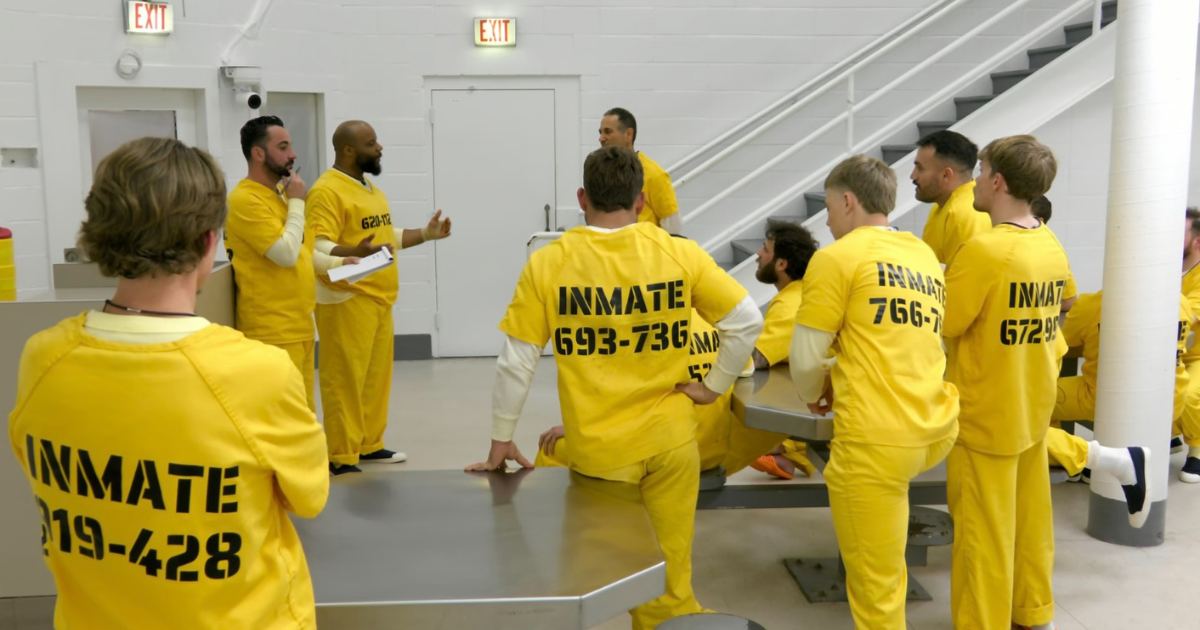
The volunteers were randomly assigned their roles, with the guards given uniforms and authority while the prisoners were stripped of their identities and treated like inmates.
While originally planned to run for two weeks, it only lasted six days as the guards turned more abusive and the prisoners showed serious signs of distress. The entire thing was basically a flop and ethically… questionable.
So, why did Netflix decide to remake this super controversial experiment for reality TV?
Executive producers Jane Lipsitz and Dan Cutforth were on a mission to determine if the experiment could actually provide valuable insights into the human psyche.
“We were definitely nervous to take on something that has already failed — that is a nerve-wracking place to be — but we felt the question it was asking was very relevant and important today,” Jane told Variety.
The series differed from the original experiment by including three women, people of various races and backgrounds.
The original experiment included cruel forms of punishment from the guards, so how safe was Netflix’s version?
“The production paid for off-duty guards to be on hand in case anything got out of hand, so there were trained professionals on the spot who could handle anything that went awry,” Dan explained. They also implemented a safe word, “pineapple,” that participants could use if they needed to leave the experiment. And six people did.
“I think people wanted to understand what they were capable of and were interested in the concept of power, and what kinds of decisions they would make under these circumstances,” Jane said.
Overall, Jane and Dan were happy with the way The New Stanford Prison Experiment ended. “This could have gone a million ways, but I think what it proved is that the question of, ‘Does power corrupt?’ wasn’t actually the right question to be asking,” Jane said.
“There were a lot of questions that this answered, but everyone is going to have their own POVs based on their own experiences, and we want to leave it up to the viewers to decide.”
And we have tons of opinions. But ultimately, it wasn’t a flop compared to the OG experiment. I wonder what an experiment would be like with all women?