Neuroscientist says there’s a right way (and a wrong way) to do TikTok’s ‘brainstacking’ trend
TikTok promised it would fix my problems, so I asked an expert
While it might sound like a serial killer’s more efficient way of storing bodies, TikTok’s new fascination, brainstacking, could actually be your solution to digital doom.
In 2026, the good, the bad, and the vile are regularly fed to us like we’re hungry little piggies. You can’t move on the internet without being confronted by abhorrent takes, depressing news, and men with microphones. Still, despite the overwhelming barrage of the worldwide web, many of us find ourselves glued to the screen for seconds, minutes, and then hours a day. We’re all painfully aware of the doomscrolling phenomenon at this point; most of us are living it.
Enter TikTok – I know, the irony is not lost on me – where some people have given a trendy new name to activities our parents and grandparents did before the double-edged sword invention of mobile phones.
What is brainstacking?
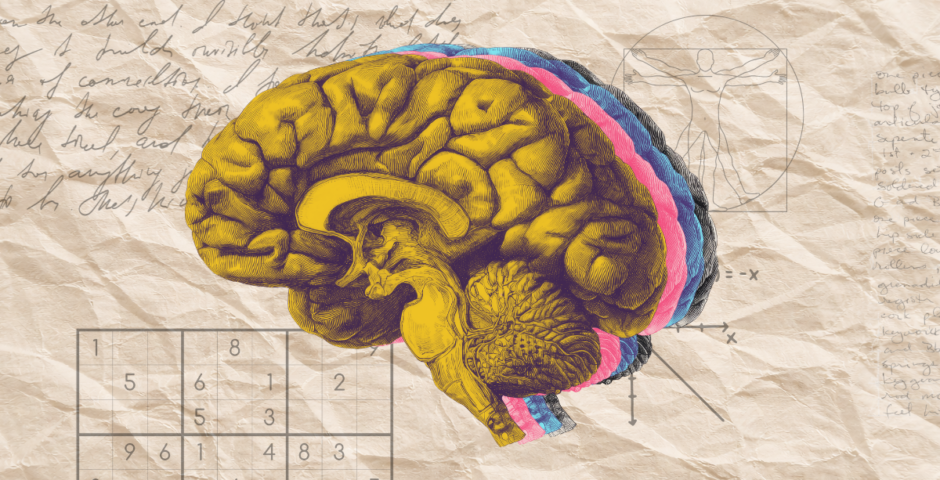
Coined on TikTok in 2026, brainstacking is an easy viral concept to grasp. It’s the act of “stacking” analogue activities to improve not only mental health, but also brain health.
Though no two brainstacks are alike, staples of the activity include Sudoku, word searches, journaling, reading non-fiction, colouring, and creative writing. Typically, your brainstack is, as the name suggests, a collection of these things you can physically stack on top of each other.
There are some pretty clear benefits
Over on the app we are trying to move away from, brainstacking has become a hot topic amongst certain lifestyle content creators. But rather than listen to people who prioritise the aesthetic of the trend with candles, trendy extortionate pens, and iced coffee creations, I spoke to an expert.
“Our brains have a remarkable ability to adapt through a process called neuroplasticity. Learning new skills, practising retrieval of information and engaging in challenging activities can help strengthen or reorganise neural connections,” award-winning neuroscientist Dr Elena Gross told The Tab.
“Researchers also study the concept of cognitive reserve, which describes the brain’s capacity to maintain cognitive functioning despite age-related changes or disease.”
Specifically, unlike scrolling on your phone, doing just one thing without distractions allows your brain to focus and zero in on the task.
“There’s also the question of sleep. Light is one of the strongest signals regulating our biological clock, and exposure to bright light in the evening, particularly light with a strong blue component, can delay melatonin secretion and make it harder to fall asleep,” she added.
“Replacing evening scrolling with reading a physical book or journaling may therefore offer two benefits: Fewer distractions and less exposure to bright screens before bedtime.”
But there are some warnings
Though the folks on TikTok would lead you to believe that brainstacking will fix life’s woes, and some even claim it prevents dementia, our bodies are simply more complicated than that. While such activities have shown promise in increasing cognitive reserve, dementia is not an illness born solely from the brain. Genetics, cardiovascular and metabolic health, lifestyle and ageing also play a part.
“Another misconception is that cognitive health can be separated from metabolic health,” Dr Elena Gross explained. “We often focus on stimulating the brain through puzzles, games and learning, while overlooking the biological foundations that allow our brain cells to function.”
You know, things like sleep and nutrition, she explained: “My own research focuses on brain energy metabolism. Neurons have exceptionally high energy requirements, and mitochondria, the structures responsible for producing much of the energy our cells use, are essential to maintaining neuronal communication.

“Mitochondrial metabolism also depends on micronutrients and metabolic cofactors. This is one reason why I think it’s important to consider nutrition, metabolic health, physical activity and sleep alongside cognitive stimulation.”
Beyond health, there’s something else to consider. The goal of brainstacking is to chill you out, get you off your screen, and lock you into an analogue activity.
“We shouldn’t turn every moment of relaxation into another productivity exercise,” the neuroscientist added.
Okay, I’m ready: How do I start brainstacking?
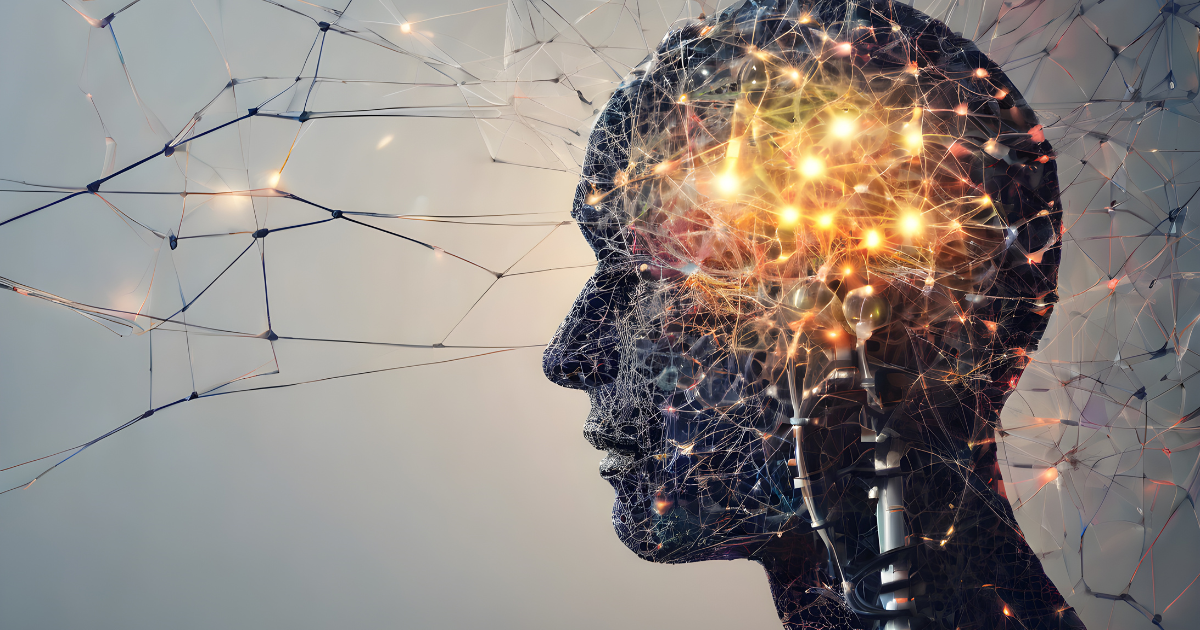
Credit: Canva
The great thing about brainstacking is that you can adapt and change your stack to fit your needs. Personally, I hate Sudoku, but have come to love Murdoku.
Dr Elena Gross told me: “I would favour activities that involve active learning, curiosity and different cognitive skills rather than simply keeping ourselves occupied.
“Reading, writing by hand, drawing, playing a musical instrument, learning a language and solving puzzles all engage different combinations of memory, attention, coordination and creativity.
“One particularly useful approach is to combine reading with writing. After finishing a chapter, close the book and try to explain what you’ve learned in your own words. This is called active recall, and research shows that retrieving information from memory can strengthen learning more effectively than simply rereading it.”
She also put forward the idea of combining several skills. For instance, learning an instrument involves “coordination, auditory processing, memory and sustained attention”, and drawing something from memory “encourages us to pay attention to details we might otherwise overlook.”
But the biggest reason to include something in your brainstack? Enjoyment- what’s the point if you’re not having fun?
But take it slow
One final thought, before you hop on Amazon to buy five Sudoku books, a 3D word search, and a guide for learning Italian.
“Instead of committing to reading for an hour every day, start with one page. Instead of journaling for 20 minutes, write a single sentence. Instead of practising a language for half an hour, learn one new word,” the expert noted.
She explained that, when we experience progress or a rewarding outcome, our brain releases dopamine that reinforces the behaviour. You’re more likely to do it again for that dopamine fix, so starting small can help cement the habit in your routine.
Now it’s over to you with the incredibly hard first step: Put whatever you’re reading this on all the way down.
For more like this, like The Tab on Facebook.
Featured image credit: Canva




Latest

The ultimate Cardiff survival guide to beat those winter blues

Your guide to dodging seasonal sadness is here
Neuroscientist says there’s a right way (and a wrong way) to do TikTok’s ‘brainstacking’ trend

TikTok promised it would fix my problems, so I asked an expert

‘Women retain the right to say no’: Russell Brand judge’s powerful sentencing speech in full

‘Fame meant you could act how you liked’

Billionaire tech CEO Jensen Huang sued after admitting to affair with alleged Chinese spy

China has denied the ‘groundless’ allegations
Rob explains what made him go to the Love Is Blind reunion after initially wanting to skip it

‘One of my worst moments was caught on Netflix’
Vampire Diaries actor ‘tempted’ to get lawyer as he claims co-star Joseph Morgan got him banned
There’s trouble in the Mikaelson household

The 25 best UK universities for work experience in 2026, according to student reviews

Oxbridge only ranked 21st and 24th

James Blunt reveals the hilarious way he was roped into appearing on Celebrity Traitors
He hadn’t even watched it

From Zoella to Skims: The four most tragic advent calendar scandals of all time
Chanel’s 2021 calendar was so bad

Jimmy Carr dragged for ‘disturbing’ rape joke a mere hour after Russell Brand was sentenced
The video has been viewed over three million times

Scott from the Love Is Blind reunion got engaged on the show, but Netflix cut it
Yes, the guy who tried to defend John

Katy Perry’s comments about ‘controlling’ Russell Brand marriage resurface after sentencing
He has been sentenced to 10 years and six months

Rising Star finds Lancaster businesswoman shortlisted in national competition

The woman was shortlisted for her nine-month-old beauty and aesthetics business

A timeline of Love Is Blind star Michaella’s actual relationship with Matt the beekeeper
Recollections really varied at the reunion

The Black Doves cast explain behind-the-scenes reason Dani’s ending in S2 was so sudden
Keira Knightley was very keen for Helen to confront Dani

‘Arrogant, aggressive’: What Joran van der Sloot is really like, by people who know him
Nobody has much nice to say about him

Love Is Blind’s creator Chris Coelen defends the ‘fascinating’ format after season 11
‘We’re a really interesting mirror into the society as a whole’
More details about the school graduation trip Natalee Holloway was on when she disappeared
There were seven chaperones

Barely any of Black Doves season two’s side characters survive the ending
The Webb family’s employees have short life expectancies