

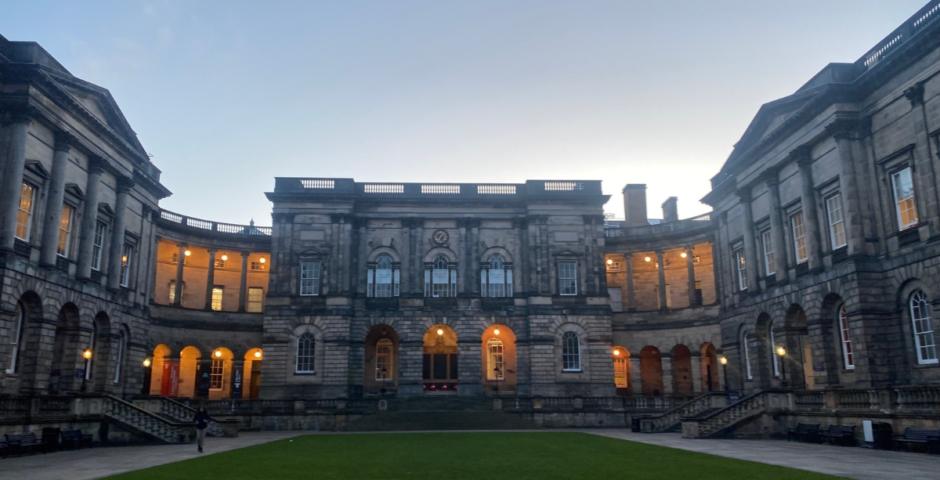
The University of Edinburgh senate to demand spending cuts transparency
The University of Edinburgh’s senate is set to meet on November 11th, following a report that calls for transparency on recent cuts.

The University of Edinburgh’s senate calls for transparency over recent cuts.
The senate will meet on November 11th to discuss spending cuts across the university.
The cuts include axing around 90 programmes, causing outrage among students and staff.
The upcoming meeting will put forward a motion for principal Peter Mathieson to offer more transparency surrounding the cuts.
The motion argues for more information about the decision-making process of the cuts, saying:
“Senate requests a report, to be presented at the next available meeting, listing all programme closures approved since 1 August 2025, and recording for each: the date of consideration by the relevant Board(s) of Studies; the approving College committee; any further body involved in the decision; evidence of the student involvement required by PCAM paragraph 2.15; and, for joint, interdisciplinary and collaborative programmes, evidence of engagement with partner Boards of Studies and external partners.”



They continue: “The approval and closure of credit-bearing courses and programmes is a matter of regulating and superintending the teaching of the University, and therefore falls within Senate’s statutory remit.”
Recently, members of the senate expressed that their demands have not been heard by senior management, with one member saying: “We’ve reached a point where there is now significant mistrust in the senior management of the university, and deep frustration with what appears to be a strategy to avoid academic scrutiny of decisions that have a significant impact on our educational offering as a university which states a commitment to societal relevance, diversity, inclusivity and accessibility.”
Earlier this month, senators accused The University of Edinburgh management of not allowing the Senate to exercise its power efficiently.
Ultimately, the Senate argues a lack of involvement in crucial decision-making at the university. This clashes with the Higher Education Governance Act, which lays out the framework for inclusion and representation of all staff and students at universities across Scotland.
A university spokesperson denied these claims and argued that the senate’s published reports on the topic contain a number of unspecified “inaccuracies”.
The meeting on Wednesday will give the Senate a valuable chance to express their core concerns and represent the voices of many students and staff.



Latest

York Christmas markets start when? All the details on this years markets and how to survive

The who, what and where of this years Christmas markets


How to survive the Cardiff cold this November (without freezing the bank)

Scarf season is here, but let’s save our money for Christmas

Here are the six things every King’s student is guilty of saying during their degree

Consider this a collective King’s confession

Robbie Williams has spoken out as Olivia Rodrigo’s Christmas song is compared to Candy

He was accused of shading her

‘I thought I was damaged goods’: Russell Brand victim shares powerful statement in court

The brave woman spoke at his sentencing from behind a curtain

Six important things Taken: Natalee Holloway on Netflix left out about the investigation
Her dad funded his own deep sea search

Lancaster University to offer alcohol-free accommodation options on campus next year

LUSU Wellbeing Officer David Grice said the decision will ‘further support the rising group of students that choose not to drink’ at university

SKIMS issues statement after its £158 advent calendar sparks huge wave of complaints
It’s got to be a joke, surely

Revealed: The court documents filed by Sarah in her divorce from John after Love Is Blind

They broke up seven months ago

Romesh and Bash hit back at backlash over their Celebrity Traitors charity donations
They donated their winnings to refugee charities

The four people ITV is eyeing up to replace Maya Jama as host of Love Island
Some of these are rogue but sure
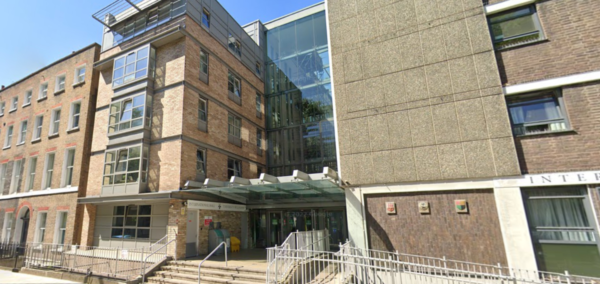
Met Police launches criminal investigation into University of London student hall voyeur

An unidentified person had been trying to photograph and record International Hall residents in the showers
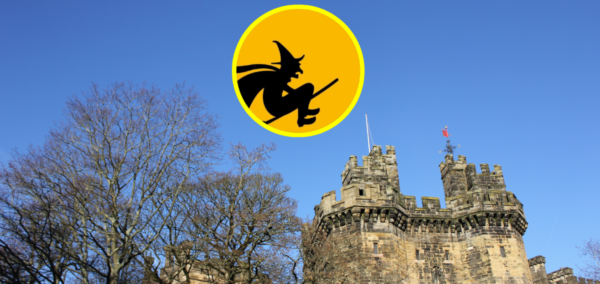
The twisted history of The Pendle Witch Trials

The story behind the namesake of the college 1660 Lancaster students are home to

Bored of required uni reading? Here’s seven books I’m reading instead

Ready for cosy season? From literary classics to dystopian horror, this list has it all

How to survive the bleak month of November as a Leeds university student

The excitement of a new academic year is starting to wear off, but there’s still plenty to look forward to

The desperate ways ITV tried to keep Maya Jama when she said she was leaving Love Island
The channel really didn’t want her to go

Here’s what third year students really care about

Suddenly we’ve replaced club nights with pilates classes and cocktails with wandering around M&S

The grad job search: Top tips on staying sane

If I had a penny each time someone said ‘grad job’, I’d be a millionaire.

Two men released on bail as £1m fraud investigation at Uni of Greater Manchester continues

Police are urging university staff to share any further information