

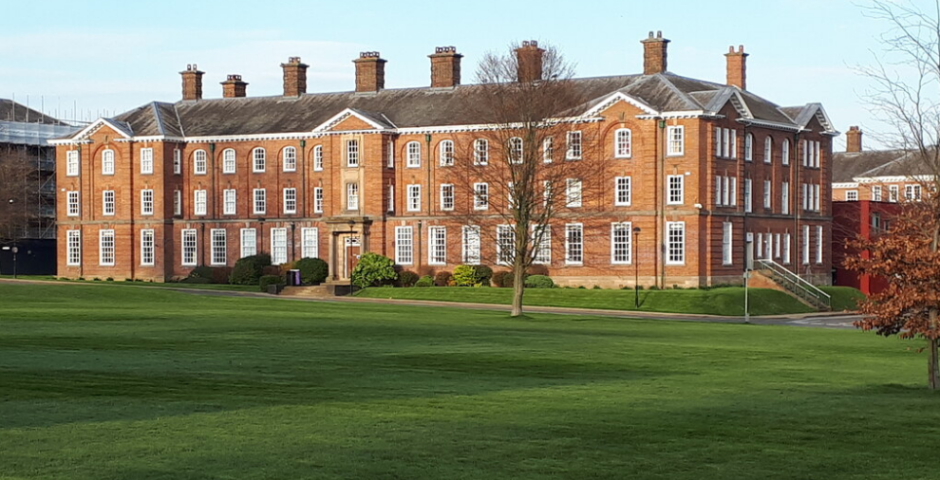
Is going to uni still worth the money? Leeds students weigh in
With tuition fees now at £9,535 per year and rent costs soaring, uni is more expensive than ever
Leeds students have shared their views on whether or not university is worth the money, as thousands of freshers across the country begin their degrees amid rising costs and one of the worst graduate job markets in decades.
With tuition fees now at £9,535 per year and rent prices soaring, university is now more expensive than ever, especially for students moving away from home for their studies. Add to that a 50 per cent decrease in graduate roles leaving many struggling to get a foot in the door post-uni, and it comes as no surprise that people are starting to question whether it’s really worth the investment.
Indeed, a recent survey by the British Social Attitudes Survey found that over a third of people- 34 per cent in total- believe that a university degree isn’t worth the time and money. This marks a 14 per cent rise since the same question was posed to the public in 2005.
The Tab asked this very same question to students across Leeds via an Instagram poll, and the results were telling. Of the 109 students across all Leeds universities who weighed in, 73% believe that university is no longer worth the money it costs.
Students who voted “no” cited a variety of reasons, from a low job prospects to high tuition fees relative to the number of hours of in-person teaching on their course.
Liv, a student at the University of Leeds, said: “A university degree used to guarantee a good job, but now it doesn’t even guarantee a job at all. It feels like a scam unless you’re doing something like law that leads straight into a career.”
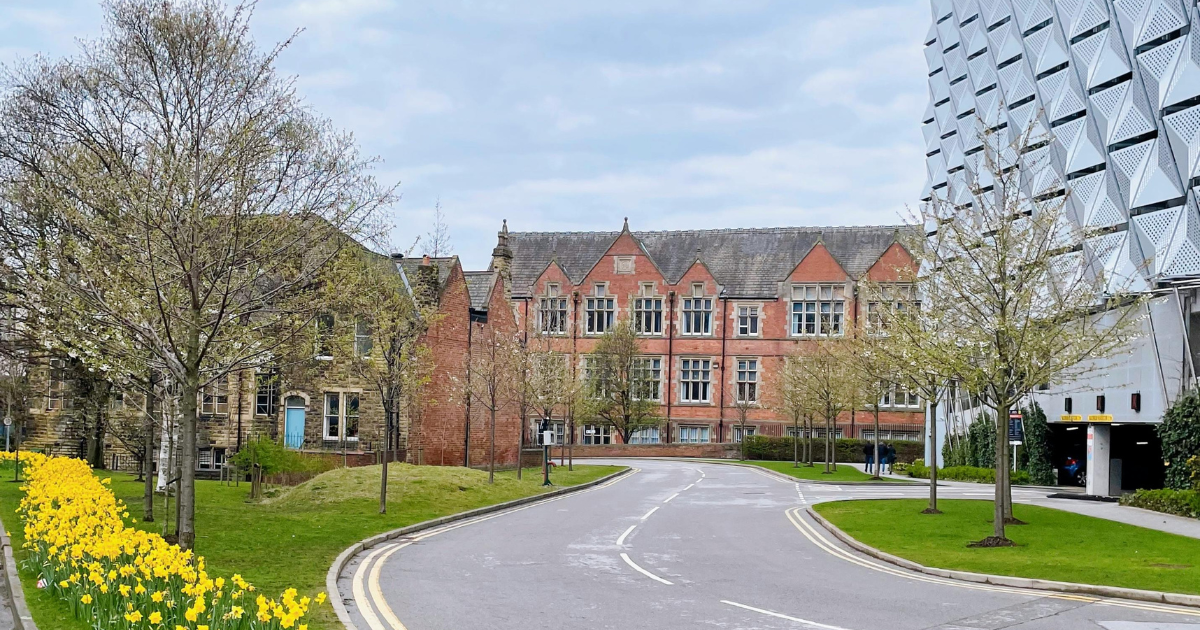
Via Unsplash
However, some students disagreed, maintaining that university is still worth the long-term investment. Ruby, also an undergraduate at the University of Leeds, said that she still believes that university is worth the money, telling The Tab: “Yes, because of future job prospects once you finish, especially when those that require a degree are often higher paying and therefore make it easier to repay the loan.



“However I do believe it is a large sum of money and this puts a lot of people off especially if they are in a less fortunate position,” she continued. “Affording it can be a challenge and therefore to make it more inclusive lower costs would help.”
It’s true that facing large amounts of debt may act as a barrier for lower income students who are considering university. In 2024, the SLC reported that the average debt for graduates leaving university in England was £44,940. However, two tuition fee rises have occurred since then, and for students from lower income households who are eligible for the maximum maintenance loan (£10,830 for students living away from home outside of London) graduate debt is estimated to come in at over £60,000.
Emii, who is also studying in Leeds, agreed that the economic costs of university are too high, adding that it’s “less so about tuition but general costs to live away from home are rising, making it so much harder.”
Fellow student Thomas added: “The debt interest is the worst part.”
Last week, the government announced that they will be offering clearer guidance on student loan repayment terms. This decision comes after an investigation by MPs in July found that the current government advice failed to ensure that students are fully informed about what they are signing up for when taking out loans to fund their studies.
For more of the latest news, guides, gossip and memes, follow The Leeds Tab on Instagram, TikTok and Facebook.
Featured image via Wikimedia Commons Geograph Britain and Ireland under Creative Commons Attribution-Share Alike 2.0

Latest

After Ed Gein, why Charlie Hunnam came back to play Andrew Borden in The Lizzie Borden Story

The Monster creators and the actor have explained their decisions
Is going to uni still worth the money? Leeds students weigh in

With tuition fees now at £9,535 per year and rent costs soaring, uni is more expensive than ever

Expert reveals her reasoning behind Gen Z’s viral iced coffee interview controversy

Maybe she has a point

Police stop alleged terror attack on Manchester’s Jewish community

Two men are currently being interrogated on suspicion of terrorism

Converse releases apology statement after people claim new ad resembles ‘racist imagery’

‘I cannot fathom why Converse would greenlight something so abhorrent’
Sign spotted in UCL building condemns culprit for ‘repeatedly urinating on the floor’

One person on social media compared it to rumours of a ‘phantom defecator’

Who was Aileen Wuornos? The real story behind her role in Monster: The Lizzie Borden Story
She was an infamous female killer

Inside the incredible $8.2million LA mansion Nick and Vanessa Lachey just listed for sale
It has a guest house, basketball court and pool

Charity issues warning over ‘dark’ and ‘upsetting’ scene in Monster: The Lizzie Borden Story
It’s a disturbing watch

Seances, ghosts, and parties: The legacy of Lizzie Borden’s last resting place, Maplecroft Mansion

‘Some people have said that they have been pushed. I got poked in the eye’

Olivia Rodrigo rinsed for sending handwritten letter ‘begging’ Grammy voters to nominate her
It’s like a GCSE English essay

Yikes, the disgusting Lizzie Borden dinner scene in Monster is based on a true story
Yep, it really happened

Melissa McCarthy found the Gilmore Girls scripts ‘really hard’ to work with

‘You can’t change a contraction’