
Dear Marc Jacobs: An open letter from women of color
Your response to the dreadlocks controversy shows a clear lack of respect for black culture

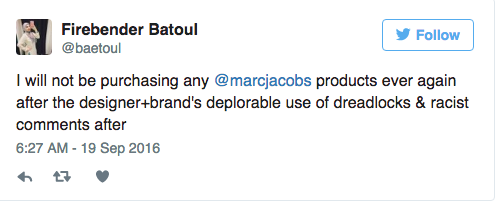
The problem with the Marc Jacobs dreadlock controversy is not the dreadlocks themselves, but his racially insensitive response.
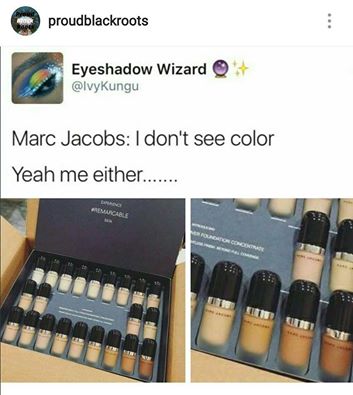
His NYFW show was eclipsed by the controversy over his models wearing dreadlocks, a controversy intensified by the designers’s racially insensitive response to the people he has insulted. He initially responded with the textbook ‘I’m not a racist and I can prove it’ comment of ‘I don’t see colour, I only see people’ and later ignited tensions further by defending his use of dreadlocks on his models by stating ‘funny how you don’t criticise women of colour for straightening their hair’.
The backlash Marc Jacobs incurred really originates from the lack of racial diversity on his catwalk – and many others in the fashion world. The inspiration from black culture is apparent on the runway, yet the models are predominantly white. As a black woman, I personally do not find it racist if white people wear braids or dreadlocks. The real issue lies in whether they are culturally aware of where the hairstyle originates from, and if they continue to ridicule black women for wearing their cultural hairstyle – and in my opinion, Marc Jacobs wasn’t.
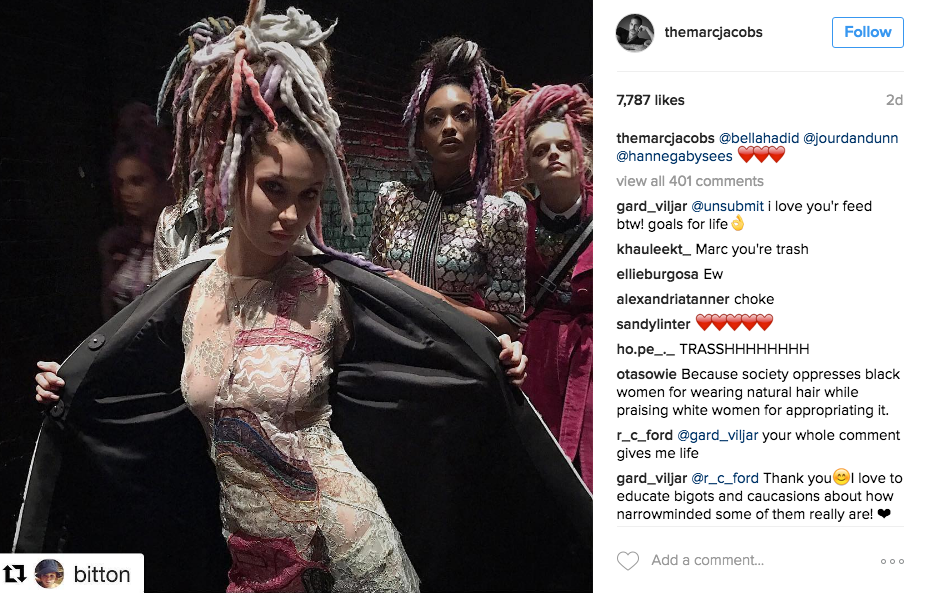
The whole situation could have been diffused if Marc Jacobs had responded in a respectful manner to the people he had offended, whether or not he saw his actions as cultural appropriating or intended to do so, he has insulted a body of people whose culture he has used as inspiration in his fashion show.
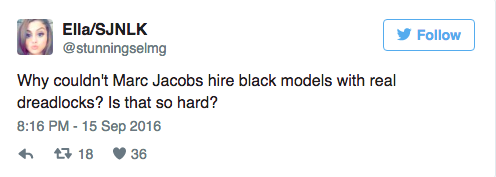
It’s an argument we’ve all heard before: “I don’t see colour” or “I’m not racist, I have a black friend”. The whole idea that people don’t see race is flawed, of course we see race, its one of the first things you see when you look at a person it’s whether your pre judging them based on their complexion of skin is where the problem is.
Marc Jacob’s argument that it seems strange no one criticises black women for straightening their hair is absurd. Unlike naturally straight hair, dreadlocks had a deep black heritage with a history behind it, whereas straight hair can be worn by a mixture of different races including black people. My best friend is black, has naturally straight hair, and doesn’t have white in her heritage for at least seven generations, if not more.
People tend to be very sensitive around the use of cultural black hairstyles on white people because to this day, black women are ridiculed for wearing their natural hair. I used to straighten my natural hair every week because I didn’t think my natural hair was attractive and I would stick out too much at school.
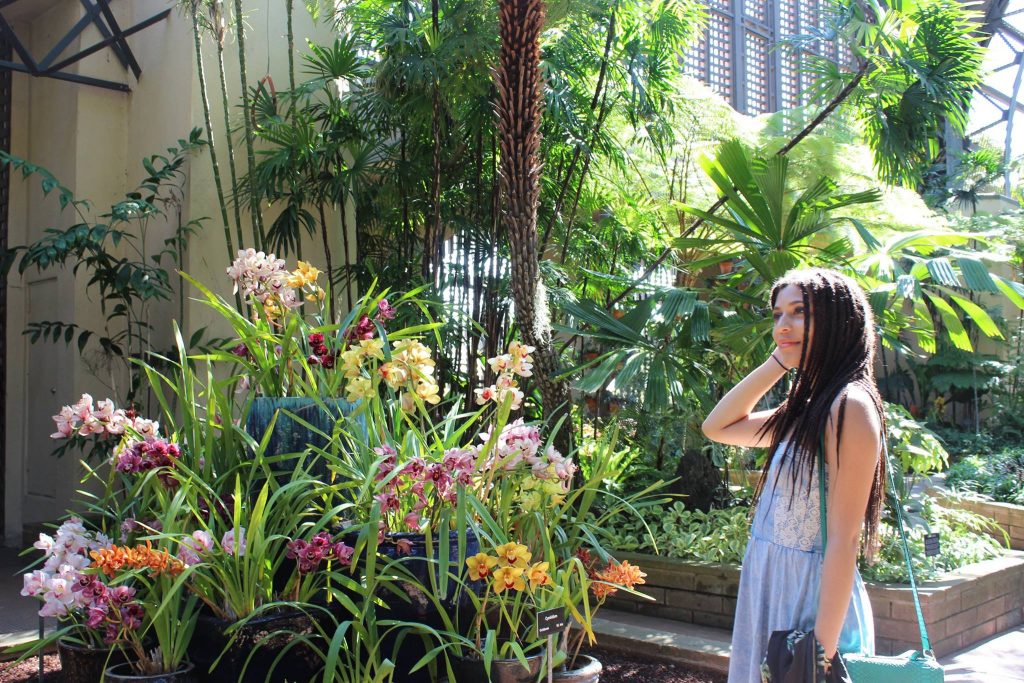
After my first year at university I decided I was never going to straighten my hair again and put my hair into braids, not long after I changed my look and felt better about myself. A racially insensitive idiot said “you look really black now, you should probably go back to straightening your hair”, in short he was saying looking ‘too black’ was unattractive.
Even in the celebrity limelight Zendaya was negatively stereotyped for wearing dreadlocks on the red carpet, being judged by Giuliana Rancic as looking as if she smelled like “patchouli oil or weed”. The constant backlash black women receive for upholding their traditional look is vicious, yet when a white girl wears dreads the style is somehow cool, chic and fashionable. It displays a certain image that black woman are not beautiful unless they are altering their natural features and conforming to the standard of western beauty.
Yesterday Marc Jacobs responded to the controversy with an apology on his Instagram, but many felt it came too late.
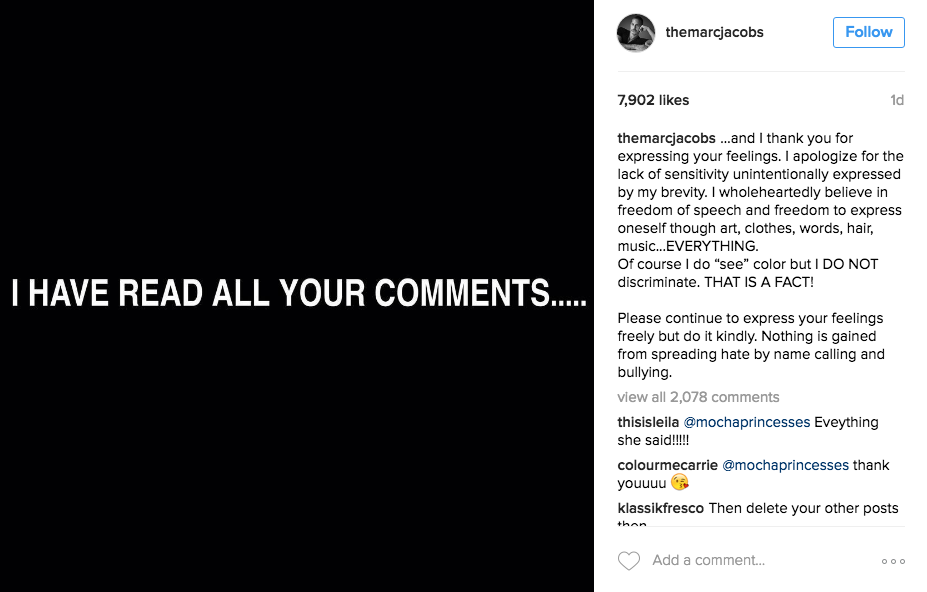
Black women are usually referred to as looking unprofessional, ghetto or unattractive when they wear their natural hair out, but dreadlocks are celebrated on white girls, from runways to festivals to fashion editorials. That’s seeing colour.
Latest
Selena Gomez opens up about health struggles and impact on her relationship with Benny Blanco

‘I have a lot of medical issues’
Love Island’s Luca has been flashing the life of a millionaire but his business is actually flopping
He bought Grace a Chanel bag for her birthday
Livestreamer’s family plead for help after saying she was kidnapped for ransom in Thailand

They’ve allegedly raised the ransom
The Glee stars who want to return, as Ryan Murphy confirms the reboot script is done
10 original cast members are ‘enthusiastic’ about coming back

Alfie Deyes just confirmed he and Zoe Sugg will be returning to YouTube at some point

They’re not gone forever!
University of Bath addresses claims of rugby club’s ‘disturbing and unacceptable behaviour’

Students have raised concerns about ‘spiking risks’
Meta is releasing a new AI charm device for your keys and it looks just like a Tamagotchi
You can customise your character
American Horror Story season 13 still feels ages away as people complain it’s ‘nowhere to be seen’
It’s out different at times across the world
The Lizzie Borden Story cast next to the real people show how accurate Netflix’s Monster is
At least it got one thing right
Aileen Wuornos had a husband and a child in further backstory Netflix’s Monster didn’t mention
Her husband was 49 years her senior
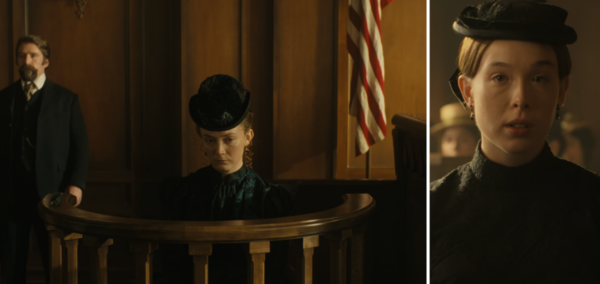
Emma Borden’s confused argument with a lawyer at Lizzie’s trial was very different in real life
She suddenly forgot what she’d earlier said
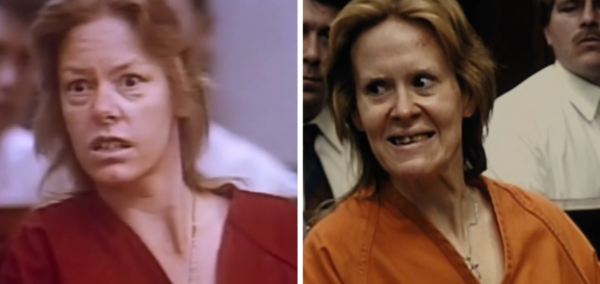
Footage of real Aileen Wuornos next to Monster on Netflix shows just how accurate scenes were
Monster gets a lot wrong, but Sarah Paulson gets everything right
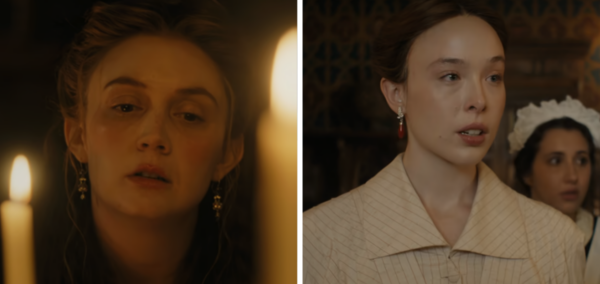
Lizzie Borden’s sister gave a single interview 20 years later, saying the house was ‘unbearable’
‘As for her being guilty, I say no, and decidedly, no’
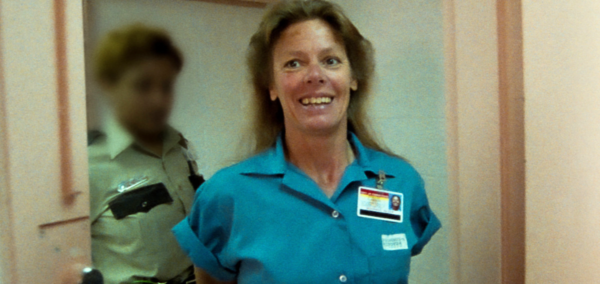
Aileen Wuornos’ tragic childhood explained, from her absent parents to life on the streets

Her past is explored in Monster
The healing power of housemates in eating disorder recovery

Friendships at university have more healing powers than initially perceived
40 years later, one of the Unsolved Mysteries cold cases has just been solved
Police thought they’d never have answers
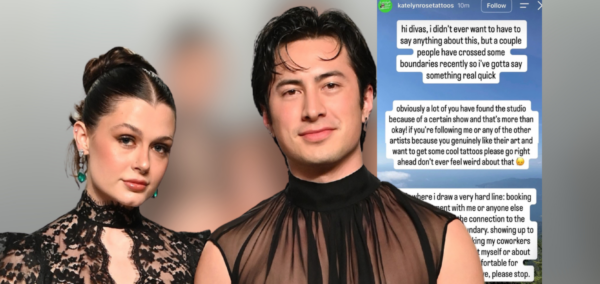
Hudson Williams’ girlfriend condemns people going to her workplace and crossing ‘huge’ boundary
‘I didn’t ever want to have to say anything about this’
Family not informed of missing Lancaster student because ‘it was a weekend’, inquest told
The dad of Henry Shields called it ‘shocking’ the family was not contacted despite his son missing ‘three exams’
Calling all students and incoming freshers: Apply now for The Cambridge Tab’s editorial team

Applications close at 11.59pm on Monday 12th October