
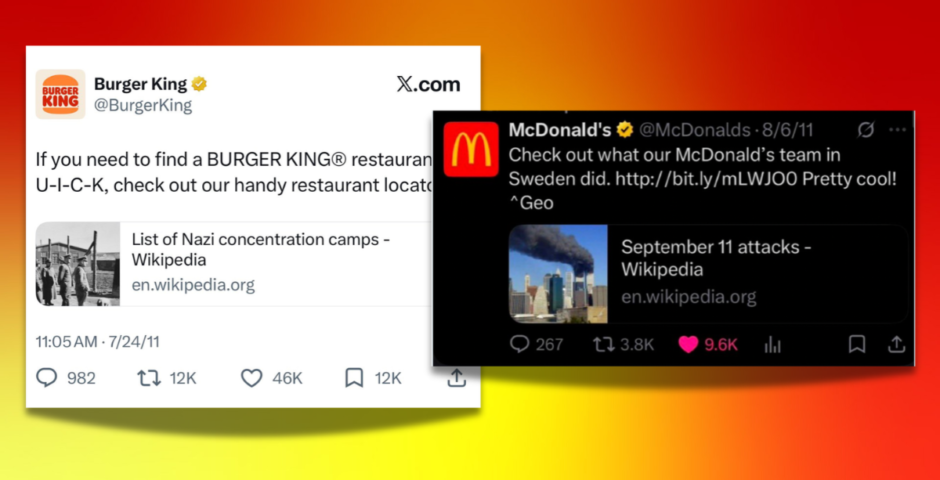
Brands explain what happened as McDonald’s claims responsibility for 9/11 in hijacked tweets
A tweet from Buger King also linked to a list of Nazi concentration camps
Something really odd happened over the weekend, with McDonald’s and Burger King linking to very serious topics like Nazi concentration camps and 9/11.
Brands have an enormous presence on social media these days, and they often act like everyone else. But in a jarring turn of events, tweets from the likes of Burger King, McDonald’s, and even Donald Trump resurfaced.
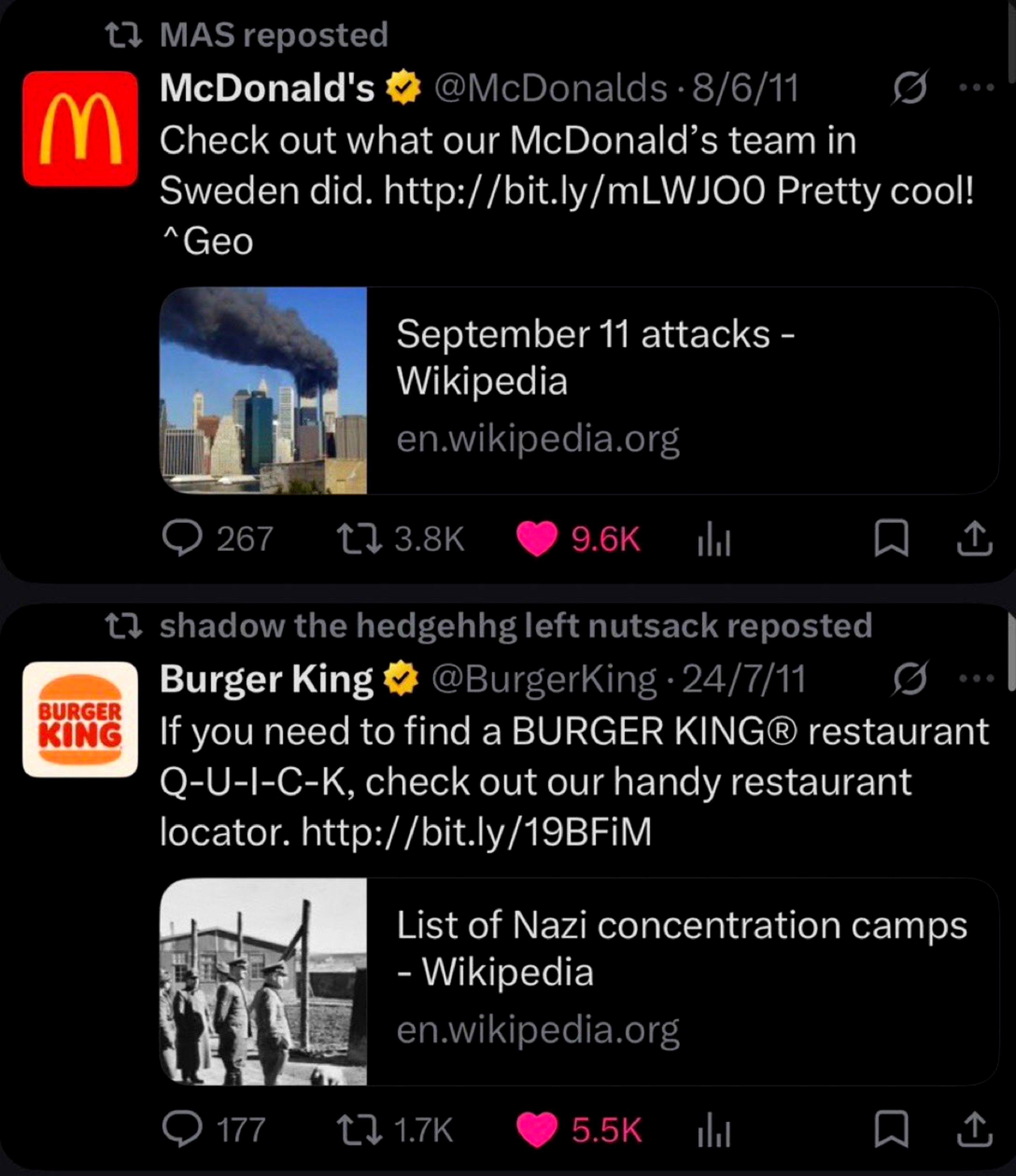
The McDonald’s Tweet, first posted in 2011, read: “Check out what our team in Sweden did. Pretty cool.”
However, the link preview box showed something wildly different to Sweden’s activities. Instead, the 2011 tweet linked to Wikipedia’s article on the September 11 attacks, thereby suggesting that a Swedish branch was responsible.
Credit: Twitter
In another viral moment, this time with Burger King, the fast food retailer urged people to find their local franchises by clicking the link. Unfortunately, the link was to a Wiki article on Nazi concentration camps. Another tweet linked to Adolf Hitler’s page.
Donald Trump’s Twitter also saw bizarre links to unrelated pages, as did Justin Trudeau, Mike Pence, and Bill Gates.
So what’s going on with Burger King and McDonald’s’ Twitter?
Most people on Twitter immediately understood that there was some tech bug or hack involved. After all, if McDonald’s had been claiming responsibility for 9/11, I’m pretty sure this would have come up in 2011.

When approached, Burger King told The Tab that “this is absolutely not the original link and the post has been deleted.”

Credit: Twitter
The resurfaced, inaccurate tweets all had one thing in common: They were using the URL-shortening service, Bitly. Though some questioned whether the links had expired, Bitly’s own website points out that there are no expiration dates for links.
Instead, the software company explained that it had “identified an issue that allowed bad actors to repurpose certain old, inactive links to redirect people to content unrelated to the original posts.”
The accounts have since been suspended, and the company is working to disable the affected URLs.
“Our Trust and Safety team is working to address the issue and strengthen protections against similar misuse in the future,” Bitly wrote.
For more like this, like The Tab on Facebook.
Featured image credit: Twitter

Latest
Michaella shares more of what went down with Matt after Love Is Blind and it doesn’t add up

This beekeeper beef is confusing
Noel Fielding speaks out after Russell Brand conviction as celebrities address their past ties

‘I was horrified and deeply disturbed’
The student survival guide to dating, festive flings and finding your winter romance
Yes, that’s right… cuffing season is approaching
HBO released the first Harry Potter clip and people are fuming over ‘cringy’ book change

It takes away all the magic
Singer’s Hall of Fame induction halted after his ‘disgraceful’ comments about Russell Brand

‘Girls were throwing themselves at him every night’
Gypsy Rose hits back at ‘disgusting’ claims she had something to do with partner Ken Urker’s death
‘Gypsy Rose has done it again’
‘Pasta and baked beans’: Rating all the Cardiff University student struggle meals

Is your dinner really a meal or is it a cry for help?
From tidying to reconnecting with nature: A guide to a Lancaster winter lock-in

Because it’s hard to feel festive when you’ve got deadlines
A step-by-step second year housing guide for Lancaster University freshers

A dive into the confusing world of second year accommodation, made simple
Natalee Holloway’s mum shares ‘disturbing’ talk with Joran van der Sloot and angry prison calls
He phoned her incessantly from prison after her court statement
‘We will not be silenced’: Hundreds march through Manchester for Reclaim the Night’s 50th anniversary
Marchers called for trans-inclusive support and zero tolerance for gender-based violence in universities
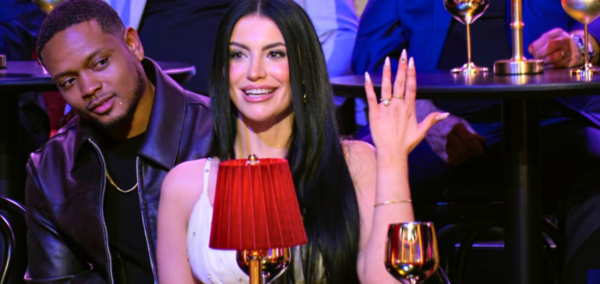
Love Is Blind cast member Benita unveils her fiancé after her dramatic speech at the reunion

She also thanked people for the two million views
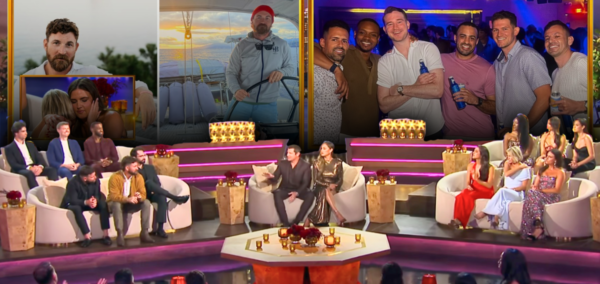
Why the silly slideshows in the Love Is Blind S11 reunion made me scream
No photo montage tells us what the women did after the show
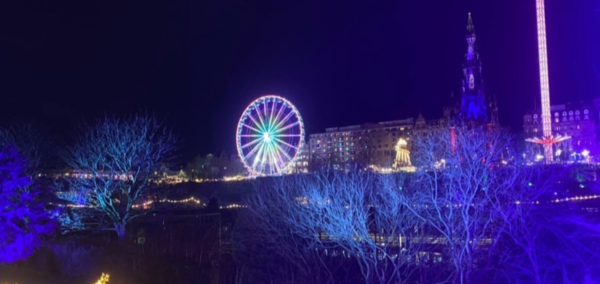
Your guide to the Edinburgh Christmas markets 2026

Edinburgh Christmas Markets are open from 14th November to 3rd January
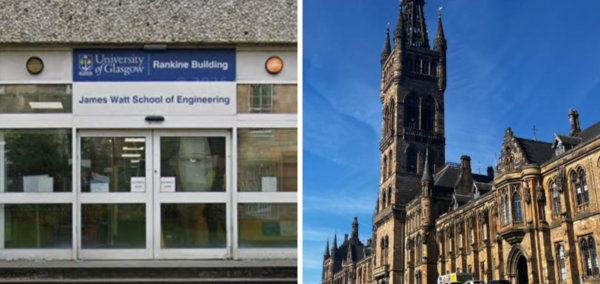
Glasgow students have MA degree offers revoked following university admin error

Two students were told they were on the wrong degree just three days into term, after the university admitted it had sent them incorrect progression results

Exactly when Joran van der Sloot will be released from jail, after three separate sentences
He’s already served half
The most romantic dates to go on this winter in Cardiff

Because cold weather, cosy corners and a little bit of winter magic are basically the perfect recipe for romance
Christmas toy drive set up for families in need across York

A pre-loved toy drive is being launched this Christmas for families in need across York and North Yorkshire

York University student nominated for global Earthshot Prize 2027
A University of York student has been nominated for the 2027 global Earthshot Prize after inventing plant-based material to replace plastic

Zoella doesn’t owe us her private life, but she does owe us a little explanation
Her sudden disappearance feels wrong