

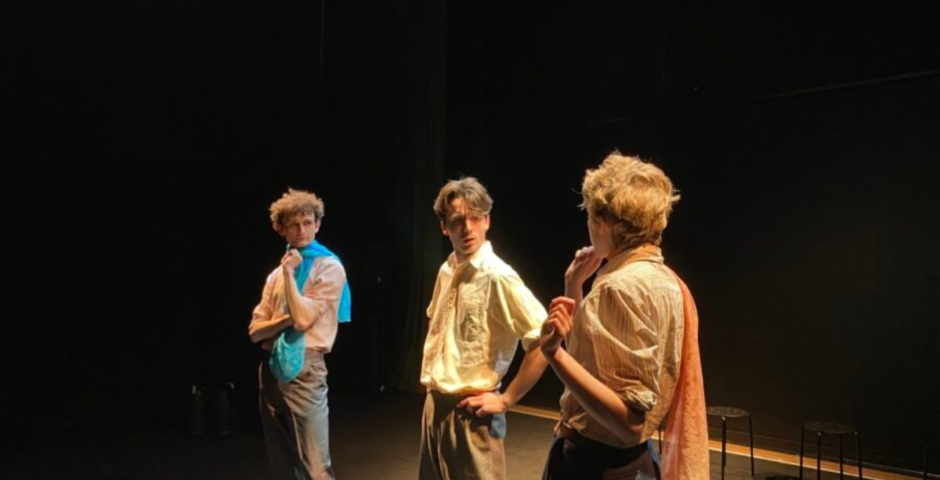
A Review: EEK!
Queer comedy and community in the West End
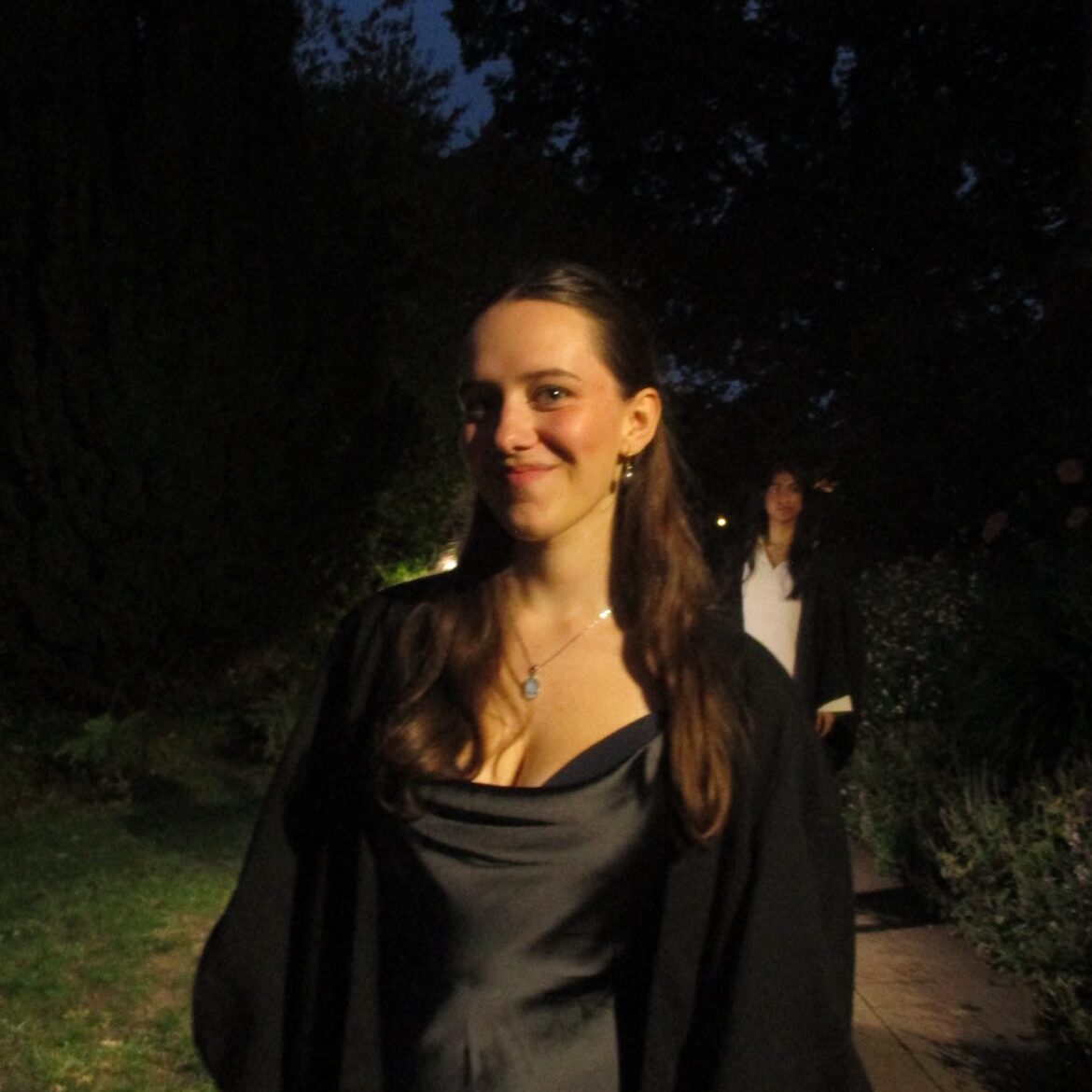
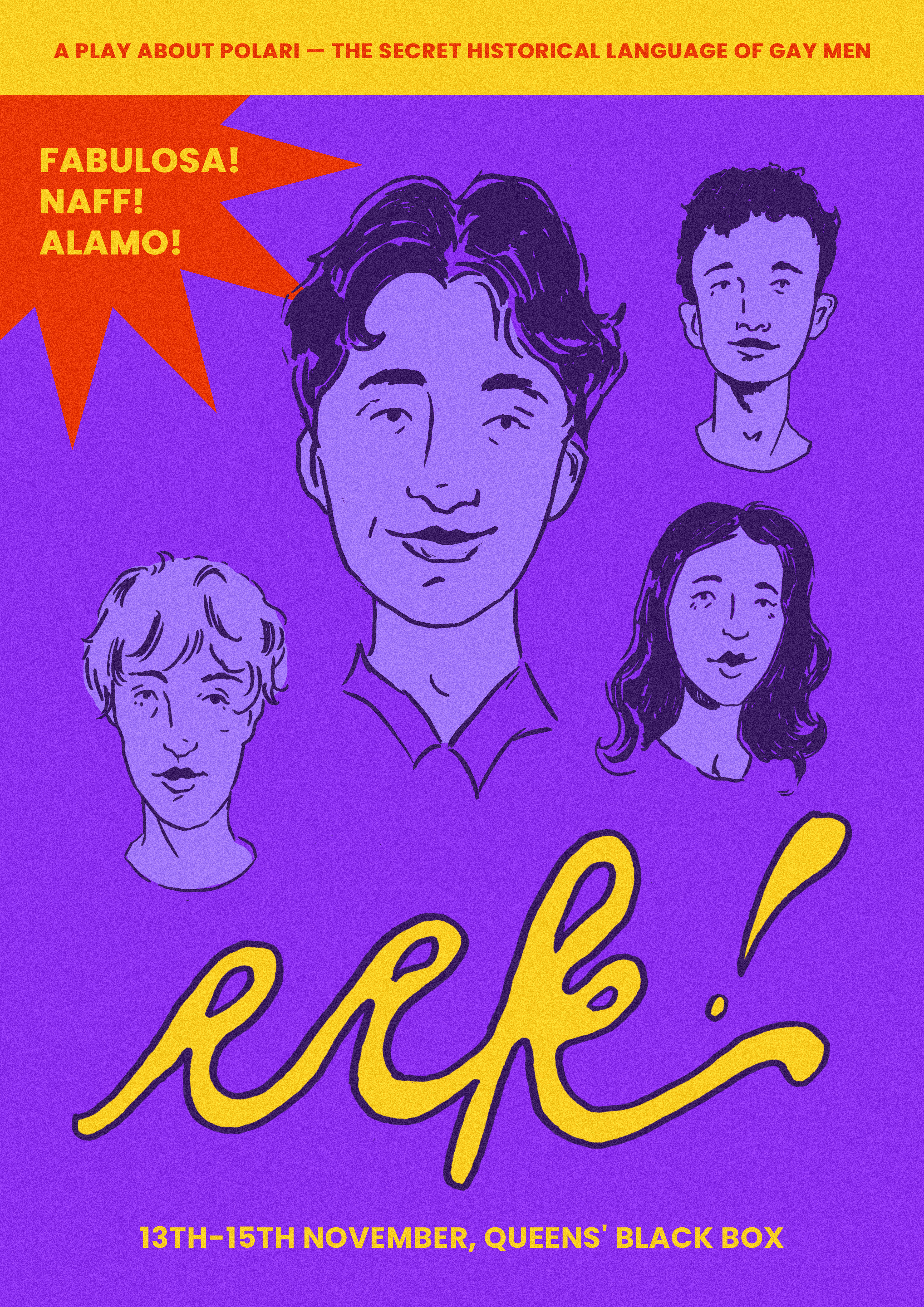
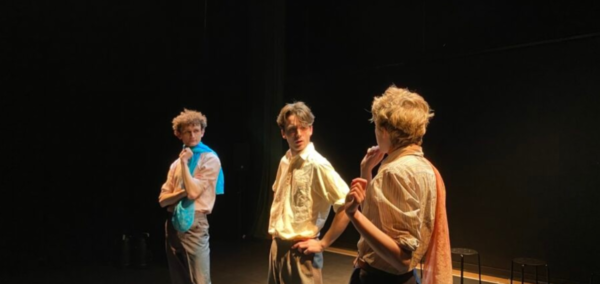
Written and produced by H. Sneyd, directed by Eleftheria Mangrioti, EEK! stars Will Bennet as Thomas, Luke Quentin as James, May Daws as Ruth and Wilf Offord as Charlie. This four-person cast was intimate in its exploration of our protagonist’s entrance into a queer theatre group in the West End who navigate what it means to be gay in an unaccepting society.
The immediate interaction with the audience drew me in – we were talked to, addressed directly like we were in conversation with the characters in the intimate setting of Fitzpatrick Hall’s Black Box, with two rows of seats and four on-stage actors.
The lighting, and set was simple yet effective while the vibrancy came from the actors: The dialogue and dynamic between them making for an engaging production. Thomas, our protagonist who was played by Will was expressive, curious and cautious as he becomes part of an underground gay theatrical scene as he is supported by his loving, witty friends Ruth, Charlie and James.
via H. Sneyd
The play opens with Thomas, lone storyteller in the centre of the stage, vibrant in their telling of its beginning, as he is interrupted by the three other characters – they are equally energetic and authentic in their exploration of this friendship which becomes its own community.
May presented Ruth as a practical, strong, honest friend – her comedic timing is perfect and never fails to gage the attention of the audience. Wilf was extroverted, and engaging as Charlie, while James, Thomas’ love-interest who as played by Luke, was charismatic, charming yet vulnerable, showing the fears of living in the homophobic climate of the early 20th century.
Thomas was taught not only the practicalities of working as a stage hand, but was also taught the words and language of Polari: the hidden sexual codes of the gay community who lived in a repressive, hostile heteronormative society. The use of this secret language acted as a reminder of the forced oppression and invisibility of queer people in Englands not-so-distant history.


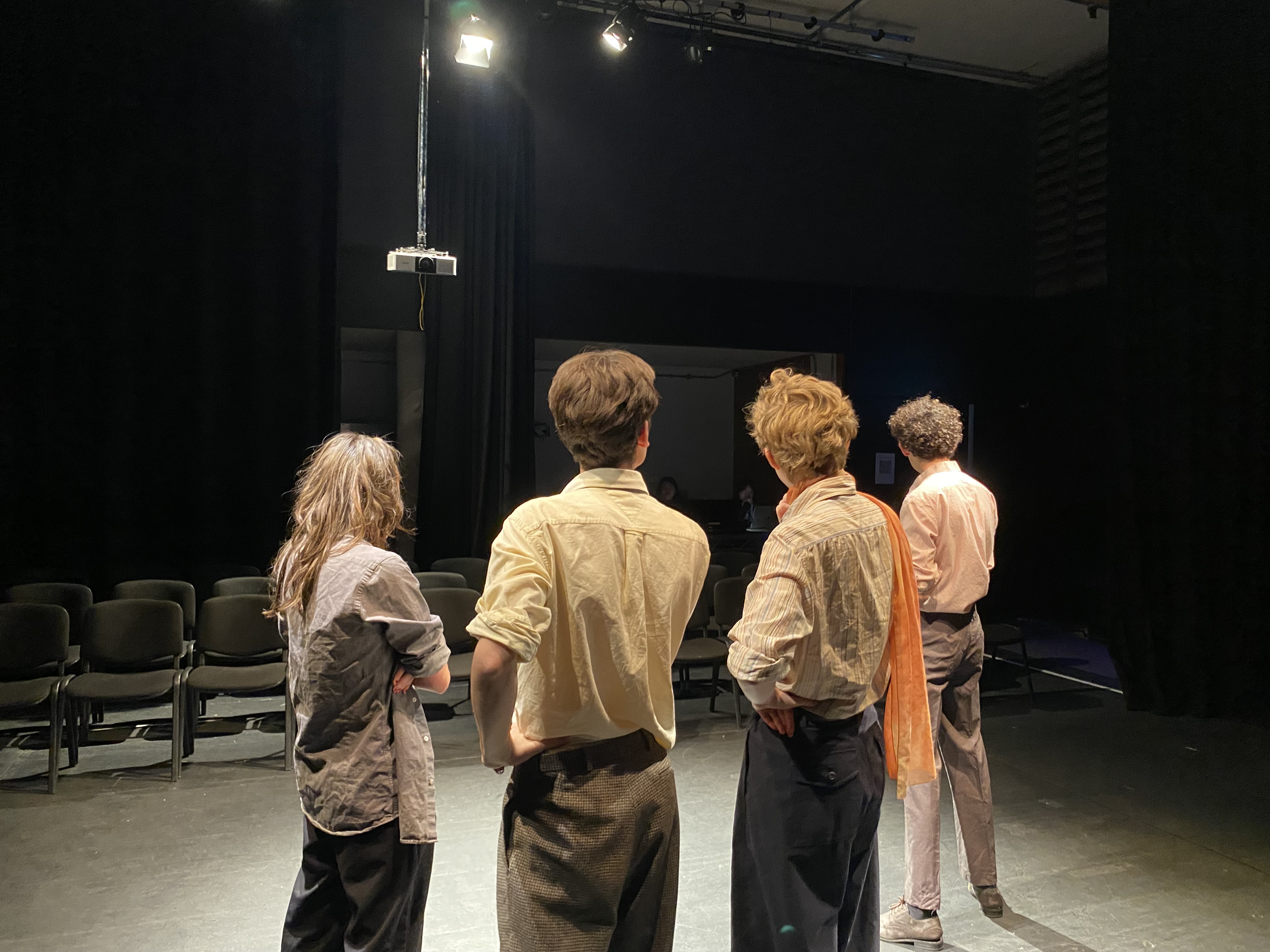
via H. Sneyd
The use of simple props such as a newspaper allowed comedic conversations to naturally shift into more serious conversations on the laws against homosexuality, and the censorship of gay representation in the theatre. It was a testament to the invisibility and forced silence of the gay community.
The lighting and sound as done by Vicky Sheu and Audrey Feng made the small stage which used scarcely any props transform the space from the comedic chaos of a backstage theatre, to a sultry, secret and lively jazz bar, making the spaces within this world more vivid and able to compliment its capable ensemble cast.
The writing remained comedically sharp and interesting, with the audience (myself included) finding themselves laughing alongside its characters as the dialogue felt consistently genuine. It also was often interactive with the audience: We were addressed, let in on every joke and privy to the codes of the Polari. Ultimately, the dialogue was masterful, the relationships felt natural and the use of expression was authentic. An absolutely brilliant production.
Showing in the Fitzpatrick Hall (Black Box) from Friday 13th to Sunday 15th November.
For more of the latest news, guides, gossip and memes, follow The Cambridge Tab on Instagram, TikTok, and Facebook.

Latest
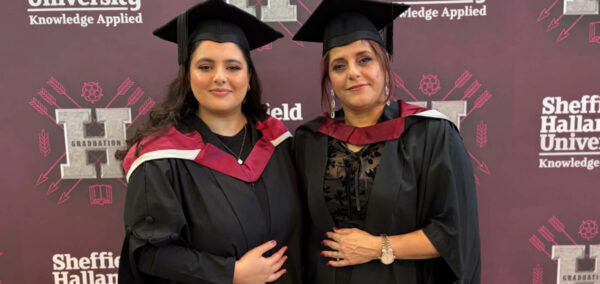
Mum and daughter graduate from Sheffield Hallam after inspiring each other to pursue dreams

After putting her career ambitions on hold to raise her family, Yasmin was inspired to return to education by her daughter’s journey into the healthcare industry
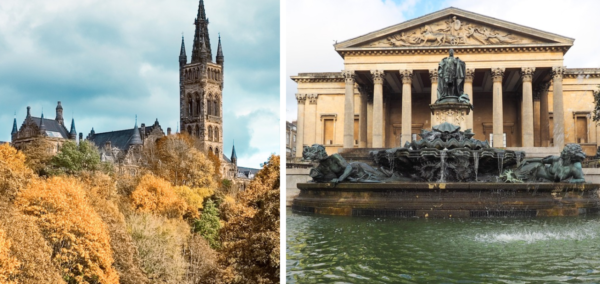
More than 20 UK universities have announced mass job cuts in 2026 to save money

Two Russell Group universities are cutting over 500 staff members

Streamer Awards winner responds to sore loser men as they throw temper tantrum over her victory

The video of the men standing up thinking they’re about to win is GOLD
Someone worked out why the Harry Potter HBO series feels so off and now I can’t unsee it

It’s much deeper than the colour grading
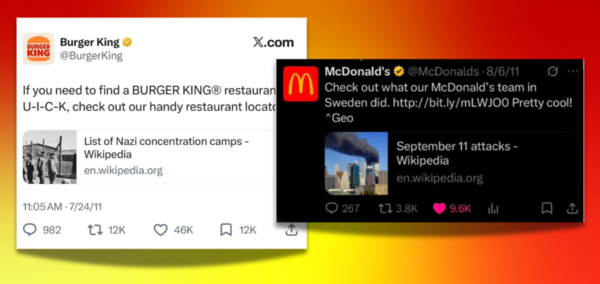
Brands explain what happened as McDonald’s claims responsibility for 9/11 in resurfaced tweets
A tweet from Buger King also linked to a list of Nazi concentration camps
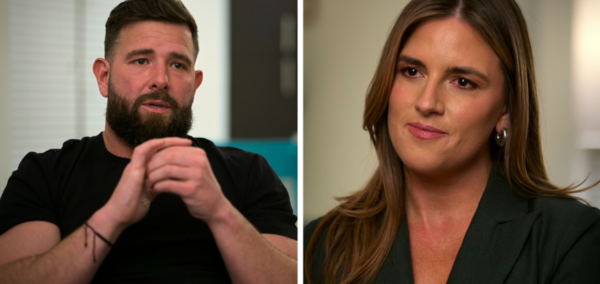
Michaella shares more of what went down with Matt after Love Is Blind and it doesn’t add up

This beekeeper beef is confusing
Russell Brand’s former celebrity friends are speaking out, and here’s what they’ve said

Noel Fielding has released a statement
The student survival guide to dating, festive flings and finding your winter romance
Yes, that’s right… cuffing season is approaching
HBO released the first Harry Potter clip and people are fuming over ‘cringy’ book change
It takes away all the magic

Singer’s Hall of Fame induction halted after his ‘disgraceful’ comments about Russell Brand
‘Girls were throwing themselves at him every night’

Gypsy Rose hits back at ‘disgusting’ claims she had something to do with partner Ken Urker’s death
‘Gypsy Rose has done it again’
‘Pasta and baked beans’: Rating all the Cardiff University student struggle meals

Is your dinner really a meal or is it a cry for help?
From tidying to reconnecting with nature: A guide to a Lancaster winter lock-in

Because it’s hard to feel festive when you’ve got deadlines
A step-by-step second year housing guide for Lancaster University freshers

A dive into the confusing world of second year accommodation, made simple
Natalee Holloway’s mum shares ‘disturbing’ talk with Joran van der Sloot and angry prison calls
He phoned her incessantly from prison after her court statement
‘We will not be silenced’: Hundreds march through Manchester for Reclaim the Night’s 50th anniversary

Marchers called for trans-inclusive support and zero tolerance for gender-based violence in universities
Love Is Blind cast member Benita unveils her fiancé after her dramatic speech at the reunion
She also thanked people for the two million views
Why the silly slideshows in the Love Is Blind S11 reunion made me scream
No photo montage tells us what the women did after the show